
Flowers
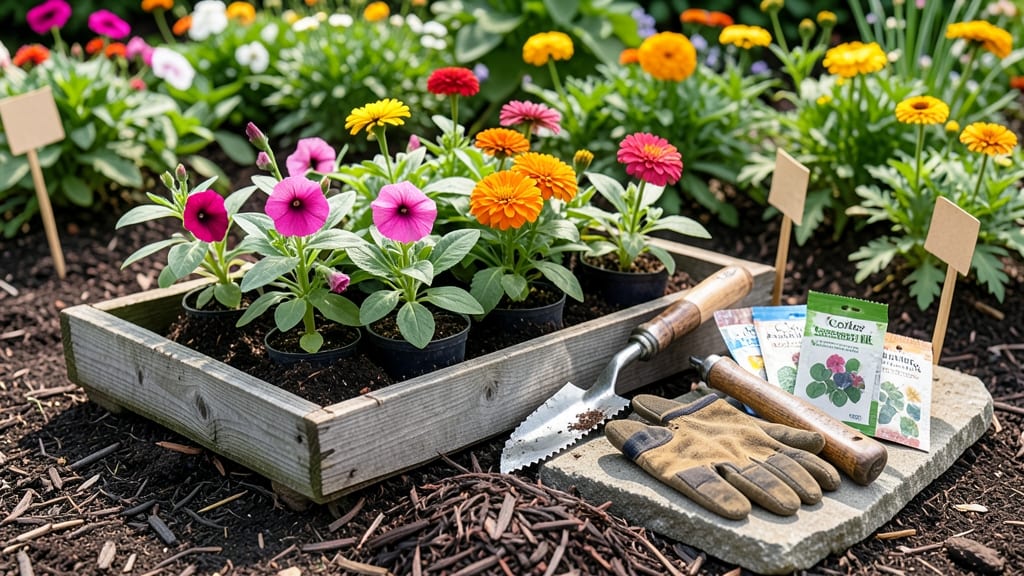
Planting flowers in North Carolina at the right time ensures vibrant blooms all season long, whether you're in the cooler mountains or the warmer coastal plains.
Timing is everything in gardening—plant too early, and frost will kill your delicate blooms 🌸; too late, and you’ll miss peak blooms. Follow this zone-specific guide to maximize your garden’s beauty from spring to fall, no matter where you live in the state.
North Carolina’s climate varies dramatically from the Coastal Plain to the Mountains, with frost dates shifting by weeks. In Zone 6a, wait until after March 15 for spring planting, while Zone 8a gardeners can start as early as February 15.
Fall planting follows a similar pattern, with cooler regions needing to act by September to avoid early freezes.
Below, I break down the best months for annuals, perennials, and bulbs in each zone, plus pro tips to extend your blooms—because nothing beats a garden bursting with color, no matter the season.
North Carolina planting zones: when to plant flowers by hardiness Zone
North Carolina spans USDA Hardiness Zones 6b through 8a, creating diverse planting windows from the coastal plains to the mountains. Understanding your zone ensures flowers thrive without frost damage. Zone 6b (western mountains) has later last frosts, while Zone 8a (coastal areas) enjoys milder winters.
Let’s break down the best times to plant annuals, perennials, and bulbs in each zone.
For Zone 6b (Asheville, Boone), the last spring frost averages March 15, while Zone 7a (Raleigh, Greensboro) sees it by March 1. Zone 8a (Wilmington, Fayetteville) rarely faces frost after February 15.
These dates dictate when to plant frost-sensitive annuals like marigolds or hardy perennials like black-eyed Susans. Fall planting also varies—Zone 6b should finish by September 15, while Zone 8a can extend to October 15.
Here’s your zone-specific planting timeline for flowers, including frost dates and ideal windows for maximum blooms:
In Zone 6b, wait until mid-April to plant heat-loving annuals like zinnias, as late frosts can linger. Perennials like coneflowers thrive when planted in early spring or early fall to establish roots before winter.
For Zone 8a, you can even plant tender annuals like impatiens as early as February, thanks to the mild climate.
Fall planting is a game-changer for perennials. In Zone 7a, aim to plant daylilies or hostas by September 1 so they root before dormancy. Bulbs like tulips need 6–8 weeks in the ground before frost—plant them by October 15 in Zone 7a and November 1 in Zone 6b.
Coastal gardeners in Zone 8a can push bulbs to December 1.
Microclimates matter! Mountain valleys (e.g., Zone 6b) may frost later than nearby ridges, while urban areas (like Raleigh) often warm up faster. Use a local frost calendar or ask your county extension office for precise data.
For example, Asheville’s last frost can vary by 1–2 weeks from nearby Black Mountain.
Pro tip: Hardened annuals like pansies or snapdragons can handle light frosts and are safe to plant 4–6 weeks before your last frost date. Tender varieties (e.g., petunias
Best flowers to plant by season in North Carolina: a month-by-month guide
North Carolina’s diverse climate—from the humid coastal plains to the cooler mountain regions—means your flower garden can bloom year-round with the right seasonal timing. The key is matching cold-hardy annuals to early spring, heat-tolerant varieties to summer, and fall-blooming perennials to extend color into autumn.
Regional favorites like azaleas and camellias thrive in NC’s mild winters, while black-eyed Susans and zinnias light up summer beds.
Whether you’re in Zone 6b (mountains) or Zone 8a (coastal areas), this guide breaks down the best flowers to plant each month, including bulbs for early spring and tender annuals for late summer.
Pro tip: Use mulch in fall to protect roots from freezing, and deadhead spent blooms to encourage reblooming.
🌸 North Carolina Flower Planting Schedule by Season
- 🌱 Early Spring (Feb–March): Plant tulips, daffodils, and pansies as soon as soil is workable (after last frost). Azaleas and camellias bloom reliably in this window.
- ☀️ Late Spring (April): Sow marigolds, petunias, and zinnias after the last frost date. Black-eyed Susans and coneflowers thrive when planted in full sun.
- 🌞 Summer (May–June): Transplant heat-loving annuals like sunflowers and lantana. Fall-planted bulbs (e.g., crocus) can go in late summer for spring blooms.
- 🍂 Fall (Sept–Oct): Add mums, aster flowers, and salvia for autumn color. Bulbs like daffodils should be planted by November 1st in most zones.
For Zone 7a gardeners (like those in Raleigh or Charlotte), focus on fall-planted bulbs like tulips and hyacinths in October. In Zone 8a (coastal areas), you can even plant tender annuals like geraniums in January for early blooms.
Always check your local frost dates—mountain regions (Zone 6b) have later last frosts (March 15) compared to the coast (February 15).
Don’t overlook perennials that naturalize in NC’s climate, such as coreopsis and bee balm. These low-maintenance flowers return year after year and pair beautifully with seasonal annuals. For containers, opt for heat-tolerant varieties like portulaca or verbena, which thrive in summer’s intense heat.
Extend your blooming season by layering plants: Start with early spring bulbs, add summer annuals, and top with fall mums. In Zone 6b, protect tender plants with row covers during late frosts.
With this month-by-month approach, your NC garden will stay vibrant from February to November!
🌿