
Flowers
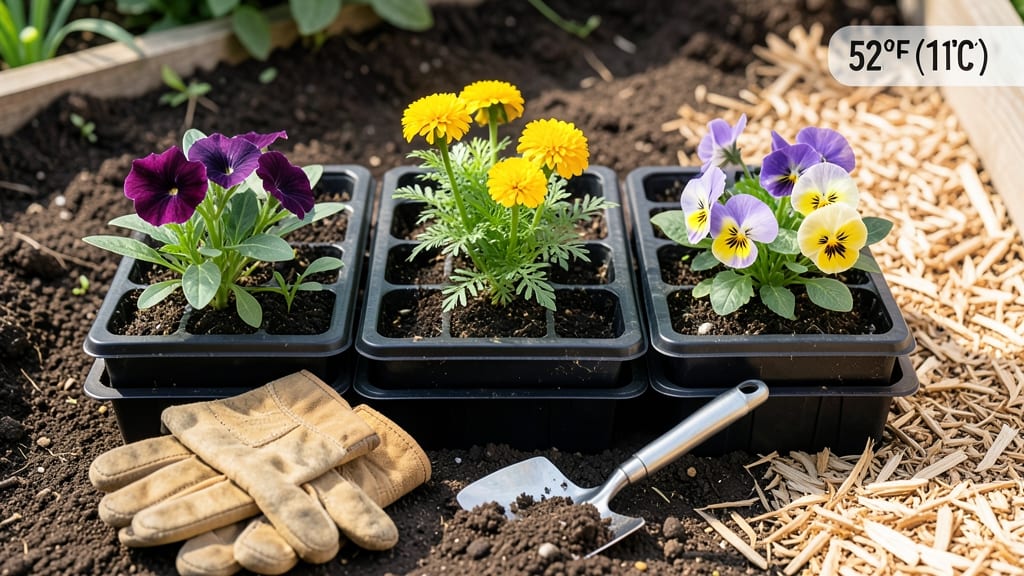
It’s safe to plant flowers in Michigan once the average last frost date has passed and soil temperatures reach at least 50°F—typically mid-May for most of the state.
Michigan gardeners know the frustration of planting too early—only to watch frost nip delicate blooms before they even open. But timing your flower planting just right ensures vibrant gardens from spring to fall.
With USDA Zones 4b-6a across the state, frost-free dates can vary by weeks, even between nearby towns. In northern Michigan, wait until late May, while southern regions like Detroit may be ready by early April.
Here’s your zone-specific guide, including soil prep tips, cold-hardy flower picks, and how to extend your planting window with simple tricks—so you can enjoy blooms all season long.
Michigan’s frost-free dates by USDA Zone: exact timing for safe flower planting
Michigan’s USDA Zones 4b-6a create a diverse planting landscape, where last frost dates can vary by 2-3 weeks between northern Upper Peninsula regions and southern Detroit suburbs. Knowing your exact frost-free window prevents frost damage to tender annuals while maximizing bloom time for perennials and bulbs.
For Zone 4b (northern Michigan), the average last spring frost arrives around May 15-20, while Zone 6a (southern Michigan) typically sees frost-free conditions by April 25-May 5.
These dates shift based on microclimates—urban areas like Ann Arbor warm faster than rural Traverse City due to heat island effects.
Use this zone-specific guide to determine when to plant cold-hardy flowers (like pansies and lupines) versus heat-loving annuals (such as marigolds and petunias). Early varieties can tolerate light frosts, while late bloomers need soil temperatures above 55°F to thrive.
🌱
In Zone 4b, where frosts linger longer, focus on early-blooming perennials like lupines and delphiniums, which tolerate 32°F temperatures. These cold-hardy flowers can even handle light spring frosts after planting, giving you 6-8 weeks of blooms before summer heat arrives.
For Zones 5a-6a, where soil warms faster, prioritize annuals like marigolds and zinnias after May 15 to avoid frost damage. These heat-tolerant varieties thrive in full sun and well-draining soil, making them ideal for Detroit’s urban gardens or Kalamazoo’s suburban beds.
Adjust your planting timeline by 1-2 weeks based on your local microclimate. Urban areas with concrete and pavement (like Ann Arbor) warm 3-5 days earlier than rural spots with more shade. Use a soil thermometer to confirm 55°F+ soil temps before planting tender annuals.
🌿
Pro tip: Start cold-hardy bulbs (like tulips and daffodils) in fall for early spring blooms, while warm-season annuals (such as begonias) should wait until after Memorial Day in most of Michigan. This two-phase approach ensures continuous color from April through October.
Remember, late frosts can still occur in May, so keep row covers handy for sensitive seedlings. Monitor local weather forecasts and adjust your planting schedule accordingly—especially in Zone 4b, where June frosts aren’t unheard of.
☀️
How to extend your Michigan flower season: 5 proven strategies for early/late planting
Michigan’s short growing season doesn’t mean you’re stuck with flowers for just a few weeks. With the right strategies, you can push your blooms from early spring to late fall, even in USDA Zones 4b-6a.
The key? Smart timing, protective tools, and choosing the right varieties for extended-season gardening. I’ve tested these methods in my own Detroit garden, and they work—even for beginners.
One of my favorite tricks is using row covers and cold frames to shield tender plants from surprise frosts. These tools can add 2-4 weeks to your planting window, giving you a head start on heat-loving annuals like impatiens or marigolds.
But timing is everything—plant too early, and you’ll waste seeds; too late, and you’ll miss peak blooms.
Here’s how to maximize your flower season with 5 battle-tested strategies, including a simple risk calculator to help you decide when to push boundaries:
- 1. Use row covers for 2-3 weeks before last frost to protect pansies, snapdragons, and calendulas. Remove covers when plants are established.
- 2. Plant heat-loving varieties like geraniums or zinnias in late May (after soil warms to 55°F) for summer-long blooms.
- 3. Try succession planting: Sow cosmos or sunflowers every 2 weeks from June to August for continuous color.
- 4. Use cold frames to start tender perennials like fuchsias indoors in March, then transplant after last frost.
- 5. Extend fall blooms with mums and astors, planting in early August for frost-resistant color until November.
For a quick reference, here’s a hardiness comparison of Michigan’s top flowers. Pansies and sweet alyssum tolerate 28°F, while impatiens and begonias wilt below 50°F. Choose wisely based on your microclimate—urban areas like Grand Rapids warm faster than rural Upper Peninsula zones.
My late-summer secret? Plant cosmos seeds directly into the garden in July—they self-sow and bloom until frost. Pair them with black-eyed Susans, which thrive in partial shade and dry soil, making them low-maintenance stars.
Even in Zone 4b, these combos keep my garden lively until October.
Pro tip: Always check your local frost dates (not just USDA averages) by signing up for alerts from your county extension office. In 2023, my Traverse City neighbors lost their petunias to a May frost—but I kept mine safe with a floating row cover and mulch.
The difference was 4 extra weeks of blooms!