
Flowers
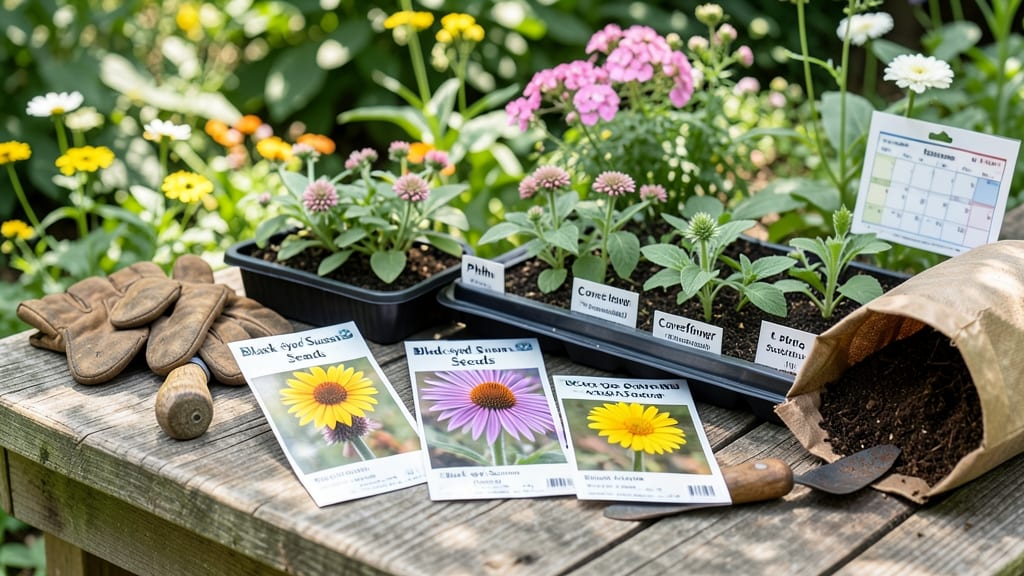
Planting flowers in Kentucky at the right time means the difference between a garden that bursts with color and one that struggles to take root.
With USDA Zone 7b frost dates that can swing wildly from year to year, timing is everything. Miss the window, and you risk frost damage or stunted growth—especially for tender annuals like marigolds and petunias. But get it right, and you’ll enjoy blooms from spring through fall with minimal effort.
Here’s your no-fail guide to planting flowers in Kentucky, broken down by season, soil prep, and even microclimates. Whether you’re tucking in bulbs in early spring or sowing fall perennials, these tips will help you avoid common mistakes and extend your garden’s glory.
From cool-season pansies to heat-loving zinnias, we’ll cover the best months to plant, how to adjust for Kentucky’s varied climate, and which varieties thrive in your yard. Ready to turn your garden into a year-round showstopper?
Best flower planting times in Kentucky by season (Zone 7b guide)
Kentucky’s USDA Zone 7b climate offers a generous growing season, but precise timing ensures your flowers thrive. With average last frost dates in mid-April and first frost around mid-October, you’ll have about 165 frost-free days to work with.
This guide breaks down the perfect months for planting annuals, perennials, and bulbs, so you can enjoy blooms from spring through fall.
Cool-season flowers like pansies and snapdragons love Kentucky’s mild winters, while marigolds and zinnias thrive in warm summer soil. Understanding these seasonal shifts helps you avoid common mistakes, like planting tender bulbs too early or waiting too long for heat-loving annuals.
Let’s dive into the month-by-month planting schedule tailored for your region.
| Season | Plant Type | Best Planting Months | Soil Temp | Notes |
|---|---|---|---|---|
| Early Spring | Perennials & Bulbs | March–April | 45–55°F | Plant daffodils, tulips, and peonies before buds break. |
| Late Spring | Annuals & Cool-Season Flowers | April–May (after frost) | 55–65°F | Ideal for pansies, snapdragons, and sweet alyssum. |
| Summer | Warm-Season Annuals | May–June | 65–75°F | Marigolds, zinnias, and sunflowers love this heat. |
| Fall | Perennials & Spring Bulbs | September–October | 50–60°F | Plant hardy mums, asters, and tulip bulbs for spring. |
| Winter | Bulbs Only | December–February | 40–50°F | Plant dormant bulbs like crocuses and hyacinths. |
For annual flowers, timing is critical. Plant cool-season varieties like pansies and sweet peas in early spring (March–April) or late summer (August–September) for fall blooms. Meanwhile, warm-season annuals such as marigolds and zinnias should wait until after the last frost (mid-April) when soil temperatures reach at least 60°F.
Perennials are more forgiving but still benefit from proper timing. Early spring (March–April) is ideal for dividing perennials like black-eyed Susans and coneflowers, while fall planting (September–October) gives roots time to establish before winter. This two-season approach ensures your garden stays vibrant year-round.
Bulbs deserve special attention. Spring-blooming bulbs like daffodils and tulips should be planted in fall (September–October), while summer-blooming varieties like dahlias go in early spring (March–April). Kentucky’s mild winters mean bulbs rarely suffer from frost damage, but planting them at the right time guarantees robust blooms.
Don’t overlook container gardening—it extends your planting window. Tender annuals like petunias can be started indoors in February and moved outside after frost. Similarly, warm-season flowers can be transplanted into containers in late May if your yard is still too chilly for direct planting.
Adjust your schedule based on microclimates. Urban areas like Louisville may experience earlier last frosts (late March), while rural Eastern Kentucky might see frost linger into early May. Use a frost date tracker or local weather reports to fine-tune your planting dates for optimal success.
Pro tip: Mulch after planting to retain soil moisture and regulate temperatures. A 2–3 inch layer of straw or shredded leaves protects roots from extreme heat or cold, giving your flowers a head start in Kentucky’s variable climate.
How to adjust planting dates for Kentucky’s microclimates
Your neighbor’s planting schedule might not work for your garden because Kentucky’s microclimates create wildly different growing conditions. While Louisville’s urban heat island can delay frost by 2-3 weeks, the Appalachian foothills in Eastern Kentucky often see earlier freezes.
Even within your yard, a south-facing bed warms up faster than a shaded corner. These variations mean your tender annuals could fail if planted according to a one-size-fits-all calendar.
To get it right, start by identifying your garden’s microclimate type. Is your yard in a low-lying area where cold air settles? Or do you have a sunny, exposed slope that bakes in summer?
Even soil drainage plays a role—wet areas cool faster than well-drained spots. By adjusting your planting dates based on these factors, you’ll avoid the heartbreak of frost-nipped petunias or wilting zinnias before they bloom.
For example, if your garden is in a low-lying area with poor drainage (like many parts of Western Kentucky), you might need to plant cool-season flowers like pansies 3 weeks earlier than the general Zone 7b guideline.
Conversely, a sunny, well-drained raised bed in Louisville could handle tender annuals like impatiens 2 weeks later than the average recommendation.
Pro tip: Use row covers or cold frames to extend your planting window in cooler microclimates. In urban heat islands, opt for heat-tolerant varieties like Lantana or Portulaca, which thrive in the extra warmth.
Even a 10-foot difference in elevation can shift your planting date by 3-5 days, so measure and adjust!
Don’t forget to track your own data for at least 2 years. Note when your first frost occurs, which flowers bloom earliest, and how soil temperature varies across your yard. With this knowledge, you’ll create a custom planting schedule that outperforms any generic calendar.
Your neighbor’s zinnia patch might be thriving, but your microclimate-tuned garden will be the envy of the block.