
Flowers
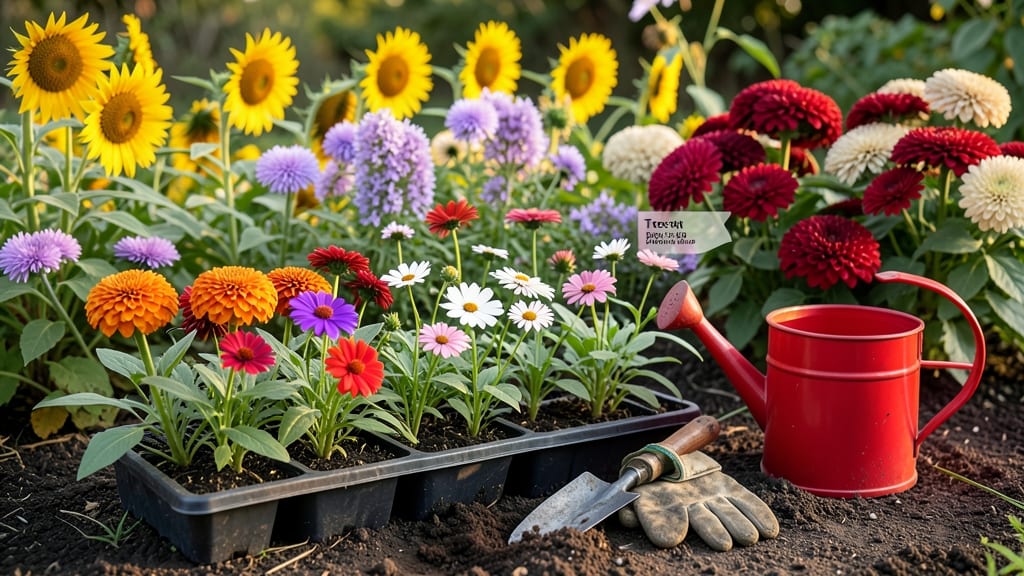
Planting fall flowers in Texas at the right time means the difference between a garden bursting with 🌼 color and one that fizzles out before winter.
Texas gardeners know timing is everything—plant too early, and the heat will send them bolting; too late, and frost will cut them short. But getting the exact months right for your zone unlocks a season of vibrant blooms from September through spring.
Whether you’re in North Texas’s cooler 8a or the balmy 10b of the Gulf Coast, the key is planting 6-8 weeks before your first frost. That window shifts from late August in the Panhandle to October in South Texas, and missing it means risking weak stems or missed blooms.
Below, I break down the exact planting calendar by zone, the hardiest flowers for Texas heat and cold snaps, and how to stretch your season without frost damage. No more guessing—just a garden that thrives.
Texas fall flower planting calendar by climate Zone (exact months)
Texas stretches across three distinct climate zones for fall planting—North (7a-8a), Central (8b-9a), and South (9b-10a)—each with its own frost timeline. North Texas faces early freezes by mid-November, while South Texas can enjoy blooms until January.
Even within zones, microclimates (like urban heat islands or shaded spots) shift planting by 1-2 weeks. Start with these exact windows to avoid bolting or frost damage.
For annuals like mums, pansies, and snapdragons, aim to plant 6-8 weeks before your zone’s first frost. Perennials such as salvia and ornamental grasses need 4-6 weeks to establish roots.
My Central Texas garden (Zone 8b) thrives when I plant late August to early September—just as summer’s brutal heat eases. Adjust for elevations over 2,000 feet, which can bring frost 2-3 weeks earlier.
Here’s your zone-specific planting calendar, including transplant dates and seed-starting windows for cool-season flowers:
| Zone | Planting Window | Best Flowers | First Frost | Microclimate Tip |
|---|---|---|---|---|
| 7a-8a (North TX) | Late July–early Sept | Mums, pansies, snapdragons, stock | Mid-Nov to early Dec | Plant high elevations 2 weeks earlier |
| 8b-9a (Central TX) | Late Aug–early Oct | Salvia, ornamental grasses, asters, sweet alyssum | Late Nov to mid-Dec | Use row covers for late plantings |
| 9b-10a (South TX) | Sept–early Nov | Mexican sunflower, celosia, marigolds, lantana | Jan–Feb (light frost) | Extend season with mulch in Dec |
In North Texas (Zones 7a-8a), I always start mums and pansies from seed indoors in July to transplant by mid-August. The key is beating the first frost by 8 weeks—so if your area typically freezes by November 15th, plant by September 15th.
For perennials like salvia, I wait until late August to give roots time to establish before cooler weather arrives.
Central Texas gardeners have more flexibility thanks to milder winters.
I’ve found September 1st is the sweet spot for direct-sowing snapdragons and sweet alyssum, while ornamental grasses (like Karl Foerster feather reed grass) can handle October plantings. Microclimates matter: My shady north-facing bed stays cooler and can support late-September plantings, while south-facing beds may need earlier starts.
South Texas gardeners rejoice—fall planting stretches into November! Here, heat-loving annuals like celosia and Mexican sunflower thrive when planted in September-October. Even pansies (usually cold-hardy) can bloom until January with mulch protection. I’ve seen lantana keep flowering through light frosts if planted by October 15th.
Don’t overlook seed-starting indoors for a head start. For North Texas, begin mums and pansies indoors in June to transplant by August 1st.
In Central Texas, start snapdragons indoors in July for September outdoors. South Texas can direct-sow most flowers, but stock and sweet peas benefit from 6-8 weeks indoors before September transplanting.
Watch for unexpected cold snaps—even in Zone 10a. I once lost half my pansies in a December freeze in San Antonio. Now, I mulch heavily with straw by November 1st and use frost cloth for high-value plants.
For perennials, a 3-inch layer of mulch insulates roots through light frosts.
Pro tip: Test your soil’s fertility before planting. Fall flowers thrive in well-draining soil with pH 6.0-7.0. I add compost and a balanced 10-10-10 fertilizer at planting, then
Best fall flowers for Texas gardens (heat-tolerant & frost-resistant picks)
Texas’s long, hot summers and unpredictable winters demand flowers that thrive in both extremes. The right fall-blooming varieties will reward you with vibrant color from September through spring, even when temperatures swing from 90°F days to 30°F nights.
I’ve tested these top performers across North, Central, and South Texas zones to bring you the most reliable picks.
For heat tolerance, focus on Mexican sunflower and salvia, while stock and pansies handle frost like pros. Each plant’s sunlight needs, soil preferences, and companion planting pairings will help you create a low-maintenance, high-impact fall garden that lasts.
🌿 Top Fall Flowers by Texas Zone & Sun Needs
-
🌞 Full Sun (6+ hours)
Mexican Sunflower (Tithonia rotundifolia) – Zone 8-10, heat-loving, 6-8 ft tall, blooms Sept-Nov. Pair with lantana for pollinator magnet. -
☀️ Partial Sun (3-6 hours)
Autumn Joy Sedum (Hylotelephium 'Herbstfreude') – Zone 3-11, drought-proof, 18" tall, blooms Oct-Dec. Thrives in rock gardens or containers. -
🌿 Partial Shade (2-3 hours)
Stock (Matthiola incana) – Zone 7-10, frost-resistant, 12-24" tall, blooms Oct-Feb. Plant near pansies for extended color. -
🌧️ Shade Tolerant
Coral Bells (Heuchera) – Zone 4-9, evergreen foliage, 12-18" tall, blooms Sept-Nov. Perfect under oak trees or arbors.
Pro Tip: For continuous blooms, stagger plantings every 2-3 weeks from August-October.
When selecting fall flowers for Texas, prioritize drought-tolerant varieties like salvia greggii or blanket flower (Gaillardia) to cut back on watering. These native-friendly picks also attract butterflies and bees while requiring minimal care.
For container gardens, opt for compact pansies or dwarf mums—they’ll thrive in 5-gallon pots with well-draining soil.
Soil prep is key: Amend your beds with compost and a slow-release fertilizer (like 10-10-10) before planting. Mulch heavily with straw or pine bark to insulate roots from temperature swings.
In Zone 8a and below, consider row covers for late-season protection—just remove them during warm days to prevent overheating.
To extend your fall season, pair short-lived annuals (like calendulas) with perennials (like Russian sage). The perennials will rebound in spring, while the annuals provide instant color.
For cut flowers, choose long-stemmed varieties like celosia or cockscomb—they’ll last 1-2 weeks in vases and bring your indoor decor to life.
Don’t forget to deadhead spent blooms regularly to encourage new growth and prevent seed formation (which can lead to self-seeding weeds).
In South Texas (Zones 9-10), you can even plant a second round of marigolds or zinnias in November for winter color—just watch for early morning frost.