
Flowers
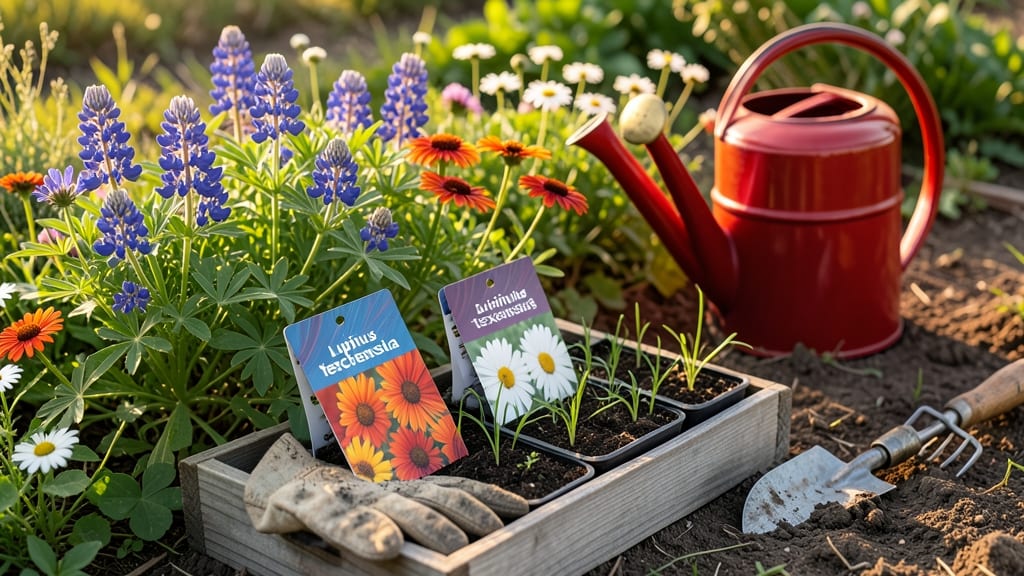
Planting flowers in Texas at the right time means beating the frost in spring and avoiding summer’s scorching heat—timing makes the difference between a thriving garden and a sad, wilted one.
Texas gardeners know timing is everything—plant too early, and frost might strike; too late, and summer’s brutal heat arrives before blooms even peek through. Mastering the perfect planting windows by Texas frost zones ensures vibrant, long-lasting flowers that thrive despite the Lone Star State’s extremes.
From the cool hills of North Texas (Zone 7) to the hotter Gulf Coast (Zone 9), each region has its own rhythm. Annuals like zinnias and marigolds love the heat, while perennials such as black-eyed Susans need cooler starts. Even native wildflowers have their ideal moments to take root.
Below, I break down the exact frost-free dates by zone, the best flowers to plant each season, and how to adjust for urban heat islands. You’ll learn how to stretch blooms longer, protect seedlings from late frosts, and keep your garden lush even when temperatures soar.
Texas frost zones & critical planting windows by flower type
Texas spans 9 frost zones (A-D, 1-4), where frost-free dates shift dramatically from the Panhandle’s harsh winters to South Texas’s mild climate.
Knowing your zone’s last frost date and first frost date is critical—plant too soon, and a surprise freeze can kill tender blooms; too late, and summer’s 100°F+ heat stunts growth. Let’s break down the ideal planting windows for annuals, perennials, bulbs, and heat-lovers by zone.
Zone A (1-4) (North Texas/Panhandle) faces hard freezes (20°F+), while Zone D (1-4) (South Texas) rarely drops below 32°F. For example, Zone A1 (Amarillo) has 180 frost-free days, while Zone D4 (Brownsville) enjoys 330+ days.
These differences mean spring planting in Zone A starts in April, but Zone D can begin as early as February.
Annuals like Zinnias and Marigolds thrive when soil hits 60°F, while perennials (e.g., Black-Eyed Susans) need 6-8 weeks before the first frost. Bulbs like Tulips must be planted 6-8 weeks before ground freezes, but heat-tolerant Lantana or Portulaca can handle direct summer planting in Zone D.