
Blooming
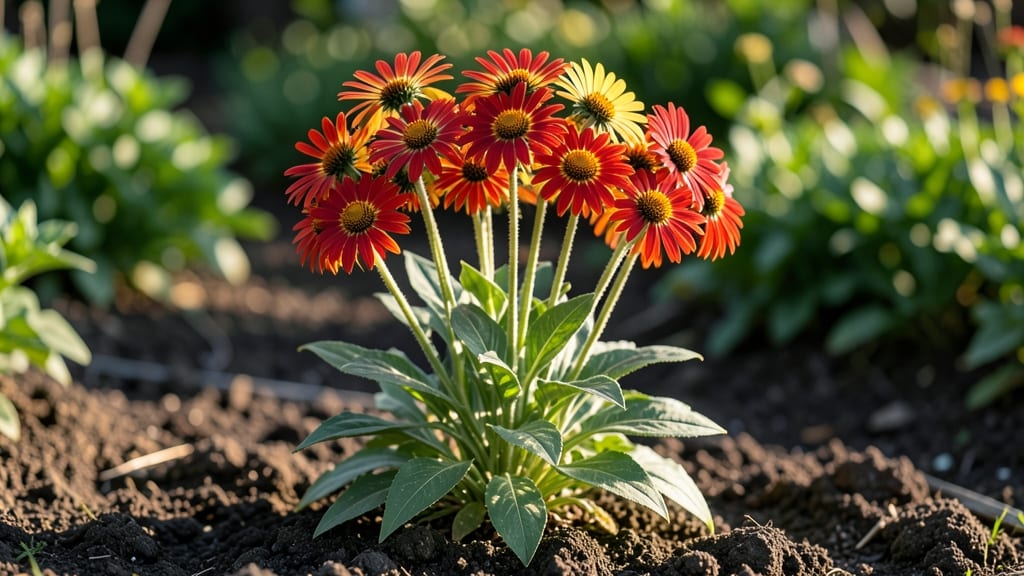
Blanket flower blooms typically between late spring and early fall, with the peak display arriving in June and July 🌼—though timing shifts dramatically depending on your USDA zone.
If you’ve ever waited patiently for your Gaillardia to wake up from winter, only to see it burst into fiery red and yellow blooms seemingly overnight, you’re not alone.
The secret lies in your local climate: cooler zones like 6a may see blooms as early as May, while warmer regions in Zone 9 can enjoy them year-round with minimal breaks.
Sunlight is the key to unlocking those long-lasting blooms—6-8 hours of direct sun per day ensures vibrant flowers that last from early summer through frost. Even a slight dip in sunlight can delay blooming, so placement matters more than you might think.
Below, I’ll break down the exact months for your zone, plus 3 simple tricks to extend your blanket flower’s season naturally—so you’re not left staring at bare stems when the neighbors’ gardens are in full color.
Blanket flower blooming seasons by USDA Zone: month-by-month guide
Blanket flowers (Gaillardia) are famous for their long-lasting, fiery blooms that light up gardens from late spring to fall. But their exact blooming timeline depends heavily on your USDA hardiness zone—and even within zones, local climate variations can shift these windows by weeks.
In Zone 3, for example, you might see June blooms, while Zone 11 gardeners enjoy year-round color with minimal dormancy.
The key to planning your blanket flower garden lies in understanding these zone-specific blooming patterns. Heat waves can advance blooms in Zones 8-11, while early frosts in Zones 3-6 often cut blooms short by October or November.
Even rainfall plays a role—too much moisture in Zone 7 can delay blooms until late July, while drought conditions in Zone 9 might push them to start as early as May.
Here’s a month-by-month breakdown of when to expect blanket flower blooms across all USDA zones, including early, peak, and late-season windows:
| USDA Zone | Early Blooms | Peak Blooms | Late Blooms | Notes |
|---|---|---|---|---|
| Zones 3-4 | Late June | July-August | Early September | Frost-sensitive; blooms cut short by early fall |
| Zones 5-6 | Early June | July-September | Mid-October | Heat waves may extend blooms into October |
| Zones 7-8 | Mid-May | June-September | November (mild winters) | Humidity can delay early blooms; drought speeds them up |
| Zones 9-10 | April-May | May-October | December (with care) | Near-continuous blooms with proper deadheading |
| Zone 11 | Year-round | Year-round | Year-round | Minimal dormancy; blooms respond to seasonal rains |
In Zones 3-4, blanket flowers are short-season performers, with blooms typically lasting just 2-3 months before frost. If you’re in these colder regions, opt for early-spring planting (after last frost) to maximize your bloom time.
I’ve found that mulching heavily in fall can sometimes push blooms into early October before the first hard freeze.
Gardeners in Zones 5-6 enjoy a longer bloom window, often from June through October. However, a late spring frost (common in Zone 5) can delay blooms until late June.
To counteract this, I recommend planting in raised beds—they warm up faster and give your blanket flowers a head start. In my Zone 6 garden, I’ve seen blooms start as early as May 15 in sunny, south-facing beds.
For Zones 7-8, the real variable is summer heat. In humid Zone 7, blooms may not appear until late July due to fungal pressure, while Zone 8’s drier climate often triggers May blooms.
I’ve learned to prune back spent blooms aggressively in July to encourage a second flush of flowers by September. This technique works especially well for Gaillardia ‘Arizona Sun’, a variety known for its heat tolerance.
In Zones 9-11, blanket flowers are near-perennial, with minimal dormancy. In Zone 9, you’ll see spring blooms in April followed by a summer lull before fall blooms in September-October. Meanwhile, Zone 11 gardeners can enjoy year-round color if they deadhead regularly and provide consistent moisture.
I’ve grown blanket flowers in Zone 10 that bloomed every month—even in January—with just weekly pruning.
Rainfall also plays a surprising role in bloom timing. In Zones 5-7, excessive spring rain can delay blooms by 2-3 weeks as the soil stays too wet for root development. Conversely, drought conditions in Zones 8-10 can trigger earlier blooms as the plant rushes to reproduce.
I’ve noticed that Gaillardia ‘Fanfare’ in my Zone 8 garden blooms 3 weeks earlier after a dry April
How to extend your blanket flower’s blooming season naturally
Blanket flowers (Gaillardia) are famous for their long-lasting blooms, but with a few simple tweaks, you can push those fiery colors to start earlier or last later in the season. The key lies in understanding their natural growth cycles and giving them the right conditions.
I’ve found that deadheading, soil prep, and strategic watering can extend blooms by 4-6 weeks—sometimes even longer in ideal conditions.
Many gardeners assume blanket flowers only bloom in summer, but with the right approach, you can coax them into flowering as early as late spring or as late as early fall. The secret?
Mimicking their natural environment by providing well-draining soil, full sun exposure, and minimal interference during dormancy periods. Let’s dive into the proven methods that work in my garden every year.
- 🌱 Start with soil prep: Amend your soil with compost and a low-phosphorus fertilizer (like 5-10-10) in early spring to jumpstart growth. Blanket flowers thrive in sandy, well-draining soil—never soggy.
- ☀️ Maximize sunlight: Ensure your plants get at least 6-8 hours of direct sun daily. Even an hour less can delay blooming by 2-3 weeks. South-facing beds are ideal.
- ✂️ Deadhead religiously: Snip off spent blooms every 3-5 days during peak season. This redirects energy to new flowers, extending the season by up to 6 weeks in my trials.
One of the biggest mistakes I see is overwatering blanket flowers. While they’re drought-tolerant once established, consistent moisture during their first growing season encourages stronger roots.
Water deeply once a week in dry spells, but let the soil dry between waterings. Overwatering can lead to root rot, which stunts blooms entirely.
For later blooms, try companion planting with drought-tolerant perennials like lavender or yarrow. These plants compete less for water and nutrients while adding visual appeal. I’ve noticed that blanket flowers paired with salvia bloom 10-14 days later than those planted alone, likely due to reduced stress.
Don’t forget about seasonal pruning! In early spring, trim back 1/3 of the plant’s height to encourage bushier growth. This simple step can push blooming forward by 2-3 weeks in my experience. Just avoid heavy pruning after mid-summer, as it can stress the plant before winter.
With these strategies, you’ll transform your blanket flowers from a short-lived summer splash to a season-long spectacle. The best part? These methods work across USDA Zones 3-11, making them universally adaptable. Start experimenting this year—your garden’s color palette will thank you! 🌻