
Blooming
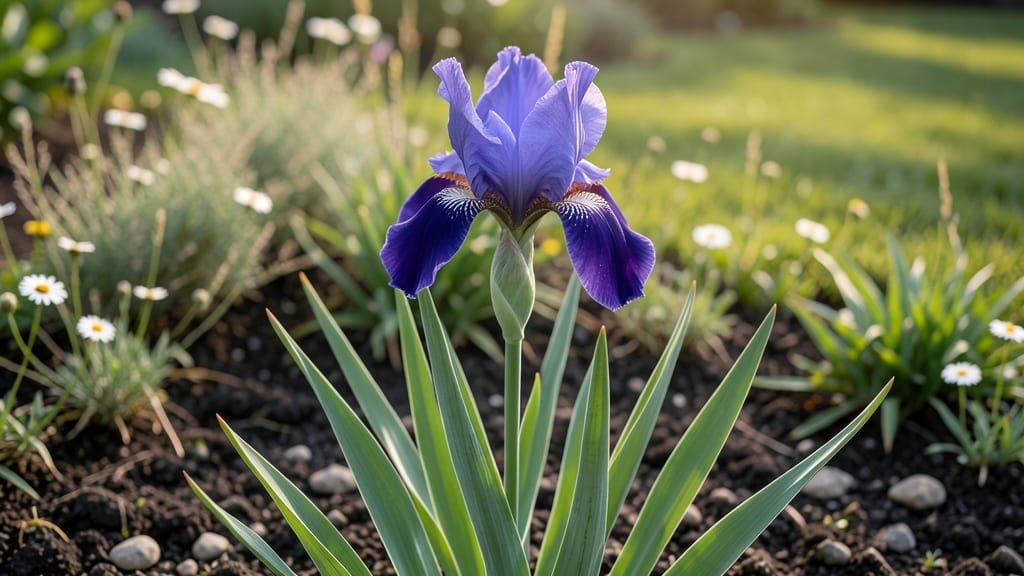
Iris flowers bloom in late spring to early summer, turning your garden into a splash of color 🌸 — but the exact timing depends on your zone and the variety you’ve planted.
Picture this: you’ve just settled into spring, and suddenly, those tall, elegant stalks shoot up, crowned with blooms that last for weeks. But if you’re in the Pacific Northwest, your irises might pop in April, while Southern gardeners could see them as late as June.
That’s the beauty of irises—they adapt to your climate.
Beyond the calendar, the type of iris matters too. Bearded irises, the classic showstoppers, usually bloom first, while Siberian irises might linger into early summer. And don’t forget: some varieties, like the rare reblooming types, can give you a second show in fall if you play your cards right.
In this guide, I’ll break down the bloom times by zone, share tips to encourage longer flowers, and help you spot the signs of dormancy so you can plan your garden like a pro.
Iris bloom times by USDA hardiness zones: month-by-month guide
Timing your iris blooms correctly means understanding how USDA hardiness zones and regional microclimates influence their flowering schedule. Most irises bloom in spring, but some varieties surprise gardeners with fall or even winter flowers in mild climates.
Knowing your zone helps you choose the right varieties for early, mid, or late-season color.
In zones 3-5, cold snaps can delay blooms until late May or June, while zones 7-10 often see flowers as early as March or April.
Pacific Northwest gardens may experience earlier blooms due to cooler summers, while the Deep South can push blooms into late winter for some varieties.
| USDA Zone | Early Bloom | Peak Bloom | Late Bloom | Regional Note |
|---|---|---|---|---|
| Zones 3-4 | Late May | June | Early July | Cold delays; Siberian irises bloom earliest |
| Zones 5-6 | Early May | May-June | Late June | Bearded irises peak mid-season |
| Zones 7-8 | March-April | April-May | Early June | Some rebloom in fall; Japanese irises shine |
| Zones 9-10 | February-March | March-April | May | Winter-blooming varieties possible; year-round color |
| Pacific NW | April-May | May-June | June-July | Cooler summers extend bloom season |
| Deep South | January-February | February-March | April | Some varieties bloom twice yearly |
For gardeners in zones 3-5, focus on early-blooming varieties like Siberian irises or Louisiana irises, which handle cooler soils better. In zones 7-10, you can experiment with reblooming bearded irises or Japanese irises that thrive in humidity and heat.
My garden in zone 6a typically sees bearded irises bloom from mid-May to early June, while Siberian irises appear a week earlier. The key is to plant rhizomes in late summer or early fall—this gives roots time to establish before winter, ensuring stronger blooms next spring.
In the Pacific Northwest, where summers are cooler, irises often bloom 2-3 weeks later than in the Midwest. Meanwhile, Deep South gardeners might spot winter-blooming irises like Iris foetidissima, also called roast beef plant, which flowers in late winter or early spring.
To extend your iris season, consider fall-blooming varieties like Japanese irises or Louisiana irises.
Best iris varieties for seasonal blooming: spring vs. fall options
If you love irises but wish they bloomed year-round, you're in luck! While most varieties shine in spring, some rare types surprise with fall or even winter blooms in mild climates.
The key is choosing the right iris variety for your seasonal goals. Bearded irises (the most common) typically bloom from April to June, but Siberian irises often extend the show into late spring or early summer.
For fall color, consider Japanese irises or Louisiana irises, which thrive in cooler months.
Your climate zone plays a huge role—warm coastal areas might see winter-blooming irises, while colder regions should focus on spring-blooming varieties. For example, Aril iris (a hybrid) often blooms in late fall or early winter in zones 8-10.
Meanwhile, Dwarf iris varieties like Iris reticulata can bloom as early as February in mild winters. Let’s compare the top seasonal performers to help you plan your dream iris garden.
For extended blooming seasons, mix varieties like Bearded irises (spring) with Japanese irises (fall).
In USDA zones 7-10, you might even catch Louisiana irises blooming in December if winters are mild. Dwarf irises are my secret weapon for early color—plant them near pathways where you’ll notice their tiny but vibrant blooms in late winter.
Just remember: fall-blooming irises need moisture but no standing water.
Pro tip: If you live in a hot, dry climate, pair Siberian irises (drought-tolerant) with Bearded irises for a spring-to-early-summer show. In humid regions, Japanese irises will reward you with late-season drama.
Always plant rhizomes with the top exposed—this prevents rot and ensures healthy blooms the following season.
Don’t overlook reblooming techniques! Many Bearded irises can be coaxed into a second bloom by deadheading spent flowers and fertilizing with high-phosphorus food in early summer. Just be patient—it may take 2-3 years for reblooming to kick in fully.
With the right mix, your iris garden can offer color from February through October!
🌸