
Flowers
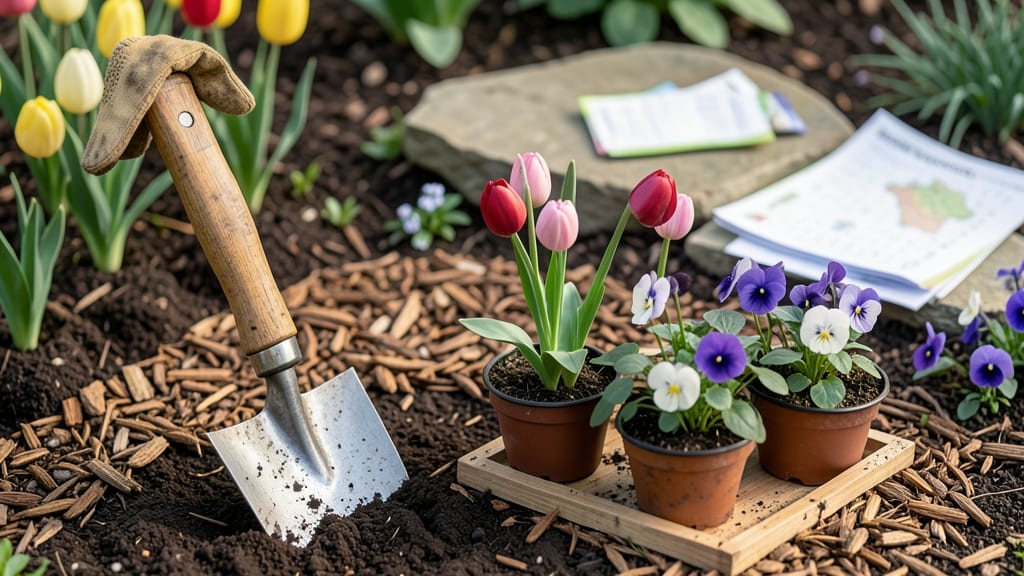
Planting flowers in New York at the right time means the difference between a vibrant garden and a frost-killed disappointment — and the exact dates depend on whether you’re in the Hudson Valley or the Bronx.
New York gardeners know timing is everything—plant too early and risk frost, too late and miss the bloom. But with USDA Zones 6-7’s unpredictable swings, when exactly should you plant flowers for maximum vibrancy?
The answer isn’t just about the calendar; it’s about soil warmth, microclimates, and even the phase of the moon (yes, really).
For annuals like marigolds and petunias, the window opens in late May after the last frost, while perennials like coneflowers and black-eyed Susans can handle an earlier start in April.
Bulbs? They’re a whole different story—plant them in fall for spring blooms, but not too early or they’ll rot in the cold.
In this guide, I’ll break down the exact planting dates for New York’s most popular flowers, adjust for your specific corner of the state, and share pro tips to beat frost, heat waves, and urban growing challenges. No more guesswork—just a blooming success.
New York flower planting calendar: exact dates by season (Zone 6-7)
Timing your flower plantings in New York's Zones 6-7 means balancing last spring frosts and first fall frosts—typically April 15-May 15 and October 15-November 1, respectively. The Big Apple's urban heat island can push dates 1-2 weeks earlier than rural areas, so always check your local microclimate.
I've planted petunias in May only to watch them crisp in June—don't make my mistake!
For cool-season flowers like pansies and snapdragons, aim for March 15-April 30 in Zone 6 and March 1-April 15 in Zone 7. These frost-tolerant annuals thrive when soil temps hit 40-50°F.
In my Hudson Valley garden, I start calendula seeds indoors in late February for early blooms. Hardy perennials like coneflowers and black-eyed Susans can go in as early as April 1 once the ground is workable.
| Season | Plant Type | Ideal Planting Window | Notes |
|---|---|---|---|
| Spring | Cool-Season Annuals | March 15-April 30 (Zone 6) March 1-April 15 (Zone 7) |
Pansies, snapdragons, sweet peas |
| Spring | Hardy Perennials | April 1-May 15 | Coneflowers, black-eyed Susans, daylilies |
| Spring | Bulbs | March 15-April 30 | Tulips, daffodils, hyacinths |
| Summer | Heat-Loving Annuals | May 15-June 15 | Marigolds, zinnias, sunflowers |
| Fall | Cold-Hardy Annuals | August 15-September 15 | Pansies, sweet alyssum, stock |
| Fall | Spring-Blooming Bulbs | September 15-October 15 | Tulips, daffodils, crocuses |
Summer planting kicks off May 15-June 15 for heat-loving annuals like zinnias and marigolds. These fast-growing flowers need consistent warmth—planting too early risks leggy, weak stems. I always wait until after Memorial Day in NYC to avoid late spring frosts that can hit Long Island Sound areas.
For container gardens, use heat-retentive fabrics to protect young plants from temperature swings.
Fall offers a second planting window for cold-hardy annuals like pansies and sweet
How to adjust planting times for New York’s microclimates (Long Island vs. Hudson Valley vs. NYC)
New York’s USDA Zones 6-7 might look uniform on a map, but your neighbor’s perfectly timed marigolds could freeze overnight in your yard. That’s because microclimates—tiny pockets of varying temperatures—can push planting dates by 2+ weeks depending on where you live.
Whether you’re in Long Island’s coastal warmth, the Hudson Valley’s cooler hills, or NYC’s urban heat islands, understanding these shifts is key to thriving blooms.
Take Long Island, for example. Its Atlantic Ocean breezes delay spring frost until mid-April, letting you plant pansies and snapdragons 2 weeks earlier than inland areas.
Meanwhile, Hudson Valley gardens often face later last frosts (around May 15) due to higher elevations, while Manhattan’s concrete jungle can trap heat, allowing tender annuals like petunias to thrive 10 days earlier than suburban zones. These variations mean a one-size-fits-all planting schedule won’t work.
Here’s how to customize your timeline based on your microclimate, plus a side-by-side comparison of key planting windows for the state’s three major regions. Pro tip: Use a soil thermometer (aim for 60°F+) and local CoCoRaHS weather stations for real-time adjustments—your phone’s forecast won’t cut it.
| Factor | Long Island (Zone 7a) | Hudson Valley (Zone 6b) | NYC (Zone 7b, Urban) |
|---|---|---|---|
| Last Frost Date | Mid-April | Early May | Late April (earlier in heat islands) |
| First Frost Date | Late October | Mid-October | Early November (later in parks) |
| Best Time for Tender Annuals (e.g., Petunias) | May 1–15 | May 15–30 | April 20–May 5 |
| Cold-Hardy Flowers (e.g., Pansies) | March 15–April 15 | April 1–May 1 | March 20–April 10 |
| Fall Planting Window (e.g., Mums) | August 15–September 15 | August 1–September 10 | August 10–October 1 (urban warmth extends season) |
| Key Microclimate Factor | Coastal breezes delay frost | Higher elevation = cooler nights | Concrete absorbs heat, speeds up spring |
If you’re in Long Island’s Zone 7a, don’t wait until May 1 to plant geraniums or impatiens—your soil warms faster, and you’ll miss peak blooms. Instead, start seeds indoors by March 1 for a 6-week head start.
For Hudson Valley gardeners, wait until May 15 for tender perennials like lavender, as late frosts are common.
And in NYC’s urban zones, rooftop gardens can plant 2 weeks earlier than ground-level plots due to heat island effect—but watch for wind exposure that dries out containers faster.
Pro move: Observe your yard’s behavior for 2 years. Note when daffodils bloom (a frost-free signal) or when hydrangeas leaf out—these natural markers often beat official frost dates.
For Long Island, aim to plant after lilacs bloom; in the Hudson Valley, wait for apple trees to flower. And in NYC, container gardeners should water daily in summer to combat heat stress, while ground beds may only need every other day.
Remember: Microclimates aren’t just about frost. Soil drainage varies wildly—Long Island’s sandy soils dry out fast, while Hudson Valley’s clay stays soggy. NYC’s sidewalks can create root competition for shallow-rooted flowers.
Always amend your soil with compost or perlite before planting, and mulch heavily in urban areas to retain moisture. With these tweaks, your flower beds will thrive—no matter where you live in the Empire State.