
Flowers
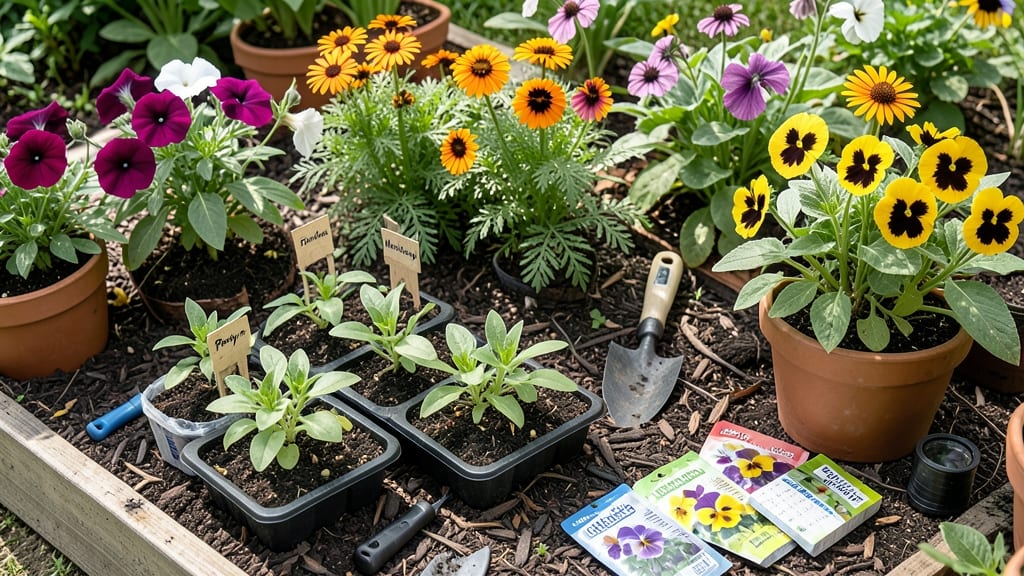
Planting flowers in Massachusetts at the right time means the difference between a garden bursting with color and one that never takes off 🌸—and that window is narrower than you think.
Timing your flower planting in Massachusetts can mean the difference between a vibrant garden and a frost-killed disappointment—get it wrong, and even the hardiest blooms won’t survive.
With USDA Zone 6a frost dates swinging from mid-April to mid-October, knowing when to start seeds or set out transplants is the key to success.
Most gardeners in Massachusetts aim to plant perennials and hardy annuals between April and May, once the soil warms and the last frost has passed. But bulbs? They go in much earlier—fall is their sweet spot for a spring surprise.
Below, I’ll break down the exact frost-free dates by zone, the best flowers for your season, and how to stretch your planting window with simple tricks—so you can enjoy blooms from May through October without the guesswork.
Massachusetts frost-free dates by USDA Zone: when to plant flowers for maximum blooms
Massachusetts spans USDA Zones 5-7, which means frost dates vary dramatically across the state. In Zone 5 (western MA), the last spring frost typically arrives around May 1, while Zone 7 (southern MA) sees its final frost by April 15.
These dates dictate when to plant annuals, perennials, and bulbs for vibrant blooms. Get it wrong, and even heat-loving zinnias or marigolds will bolt or die back.
Understanding your microclimate is key—valleys and coastal areas can experience frost 2-3 weeks later than inland regions. For example, Boston (Zone 6b) averages its last frost on April 22, but Springfield (Zone 5b) may not be frost-free until May 8.
Always check local records or use the National Weather Service's frost prediction tool for precision.
Here’s the golden rule for Massachusetts gardeners: Plant cool-season flowers 4-6 weeks before the last frost (think pansies, snapdragons, and sweet peas), while warm-season bloomers like petunias and geraniums need to wait until after May 15 in most zones.
Fall planting? Aim for mid-August to give flowers time to establish roots before winter.
For perennials, timing matters just as much. Plant hardy perennials like coneflowers and black-eyed Susans in early spring (April) or early fall (September) to give roots time to establish before extreme cold.
Bulbs like tulips and daffodils should go into the ground 6-8 weeks before the first frost—typically October in Zone 5 and November in Zone 7.
Pro tip: Start annuals indoors 6-8 weeks before your last frost date. This gives warm-season flowers like tomato plants (yes, they’re flowers too!) and peppers a head start. Use grow lights if natural sunlight is limited, and harden off seedlings 1-2 weeks before transplanting to avoid shock.
Don’t overlook fall planting—it’s a secret weapon for longer bloom seasons. Cool-season annuals like pansies and stock thrive when planted in late summer. They’ll bloom through fall and often push through light frosts, giving you color when many gardens are dormant.
Just avoid planting after mid-September, or seedlings may not root before winter.
If you’re in a transition zone (like parts of Zone 6b where frosts can be unpredictable), consider using row covers or cold frames to extend your planting window. I’ve successfully planted marigolds in early April under a lightweight frost blanket, only to remove it when temps rose above 50°F.
This trick adds 3-4 extra weeks of growth for heat-loving plants.
Finally, keep a planting journal for at least 2 years to track your local frost dates. Note when your eggshell-thin petunias survive overnight temps or when zinnias bolt in 80°F+ heat.
Over time, you’ll spot patterns that local nurseries might miss—like the 3-year trend of later frosts in your neighborhood.
With these zone-specific windows and a little flexibility, your Massachusetts garden can burst with continuous blooms from May through October. Just remember: patience is key—rushing warm-season plants too early is a one-way ticket to frost damage. Happy planting! 🌸
Best flowers to plant in Massachusetts by season: cool vs warm season varieties explained
Massachusetts gardeners face a unique challenge: our variable climate demands careful selection of seasonal flowers. Cool-season bloomers thrive in spring and fall, while warm-season varieties need summer's warmth. I've planted both for years and learned which varieties perform best in USDA Zone 6a—here's my proven guide.
Cool-season flowers like pansies and snapdragons handle our early spring chills beautifully, while marigolds and zinnias explode with color once temperatures rise. The key difference? Cool-season plants grow best when soil temps stay below 70°F, while warm-season varieties need consistent warmth to thrive.
🌱 Cool-Season Flowers vs Warm-Season Flowers in Massachusetts
Cool-Season Flowers
- Pros: Thrive in spring/fall (March-May, Sept-Nov)
- Pros: Handle light frosts (down to 25°F)
- Cons: Bolt in hot summer (avoid June planting)
- Cons: Limited summer color
Warm-Season Flowers
- Pros: Peak summer color explosion (June-August)
- Pros: Drought-tolerant varieties available
- Cons: Frost-sensitive (kill at 32°F)
- Cons: Need warm soil (>60°F) to germinate
💡 Planting Timing Tips
Cool-season: March-April (after last frost) or August-September (for fall blooms)
Warm-season: May-June (after soil warms) or start indoors 6-8 weeks before last frost
For cool-season champions, I recommend starting pansies in early March—they'll bloom until summer heat sets in. Snapdragons planted in September give stunning fall color, often lasting until first frost. These varieties handle our unpredictable spring weather like pros, with some even reblooming in fall.
Warm-season powerhouses like zinnias and marigolds need patience—they won't germinate until soil reaches 60°F. I've found that direct-sowing in late May gives them a head start, but starting seeds indoors in April extends their bloom time. Marigolds also deter pests naturally, making them a gardener's best friend.
Don't overlook transition flowers like cosmos and sunflowers—they bridge the gap between seasons. These varieties tolerate moderate heat and light frosts, giving you color from late spring through fall. I plant them in early May for reliable performance throughout summer.
Pro tip: Use row covers to extend cool-season planting by 2-3 weeks in spring, or cold frames for fall planting. This simple trick has let me enjoy pansies in December and calendulas in November—both well past their usual bloom times.