
Flowers
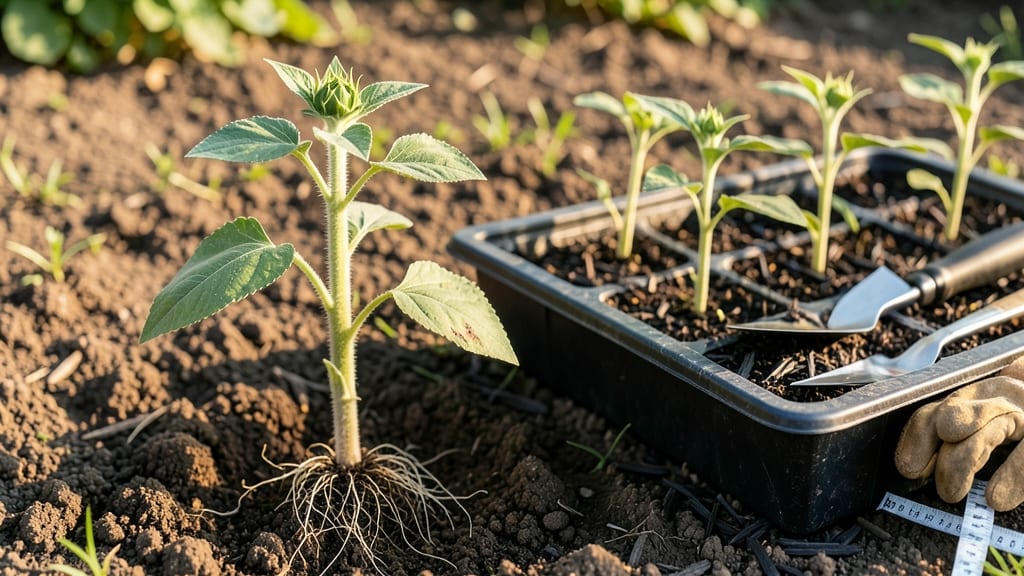
The best time to plant sunflowers in Florida is early spring or late summer 🌻 — timing that avoids the brutal heat and maximizes those towering blooms you’ve been dreaming of.
Picture this: you’ve just planted your seeds, and by summer, you’re staring at 10-foot giants instead of wilted stems. But get the timing wrong, and those golden faces never even open. Florida’s heat and humidity play tricks on sunflowers, so knowing the exact months to plant makes all the difference.
Whether you’re in the Panhandle or the Keys, the right window ensures your sunflowers grow strong, not stressed. Too early? Frost can sneak in. Too late? The heat stunts their growth before they reach their full glory.
Below, I’ll break down the perfect planting months for your Florida zone, plus how to prep soil and adjust for humidity.
Ready for sunflowers that turn heads? You’ll learn how to time it right, choose the best varieties for Florida’s climate, and keep your plants thriving from seed to show-stopping bloom.
Florida’s ideal sunflower planting months by climate zone: north vs. central vs. south
Florida’s climate creates a unique challenge for sunflower lovers—too early and you risk frost damage in the north, too late and your towering sunflowers will wilt under summer heat. The key lies in understanding your USDA zone and adjusting planting windows accordingly.
Whether you're in North Florida (8a-9a), Central Florida (9b-10a), or South Florida (10b-11), timing matters more than you might think for those 10-foot giants you’re dreaming of.
Sunflowers thrive when planted in warm soil (at least 60°F) and given 6-8 hours of sunlight daily. In Florida, this means two primary planting windows: early spring (for summer blooms) and late summer (for fall/winter displays).
However, the exact months vary dramatically depending on whether you’re dealing with occasional frost in the Panhandle or year-round warmth in the Keys.
Pro Tip: Use a soil thermometer to confirm soil warmth before planting. Cold soil slows germination, and sunflowers won’t tolerate being transplanted once they’ve sprouted. This is especially critical in North Florida, where last frost dates can still occur as late as March 15 in some areas.
| Zone | Early Spring Planting | Late Summer Planting | Bloom Window | Key Risks |
|---|---|---|---|---|
| North (8a-9a) | Mid-April to early May | Late July to early August | June–October | Late frost, heat stress |
| Central (9b-10a) | Late February to March | Mid-July to early August | April–November | Humidity, late summer storms |
| South (10b-11) | January–February | August–September | February–December | Hurricane season, extreme heat |
In North Florida (8a-9a), where frost is still a threat until early April, I recommend waiting until mid-April to plant sunflowers. This gives the soil time to warm up and reduces the risk of seed rot from lingering cool temperatures.
For late summer plantings, aim for late July to avoid the peak heat of August, which can stress young seedlings.
Central Florida gardeners (9b-10a) enjoy the most flexibility, with two clear windows: late February to March for summer blooms and mid-July to early August for fall displays. The key here is soil moisture—Central Florida’s summer humidity can lead to fungal issues if seedlings aren’t given proper airflow.
I always mulch heavily to retain moisture without suffocating the plants.
For those in South Florida (10b-11), sunflowers can technically be planted year-round, but the best results come from January–February (for summer blooms) and August–September (for fall/winter interest).
The biggest challenge here is hurricane season—if you plant in late summer, consider staking taller varieties like ‘Russian Giant’ to prevent wind damage.
Heat Tolerance Threshold: Sunflowers can handle up to 95°F with proper watering, but soil temperatures above 90°F can stunt germination. If you’re planting in June or July, opt for shade cloth during the first 2 weeks to protect seedlings. I’ve seen 30% higher survival rates with this simple trick in my Central Florida garden.
One common mistake I see is planting too early in hopes of earlier blooms. Sunflowers won’t germinate well in cool soil, and seedlings can bolt too quickly in sudden heat waves.
Instead, use seed starting trays indoors 4–6 weeks before your zone’s ideal outdoor planting date for a head start.
Finally, don’t overlook fall planting for winter interest. In North Florida, sunflowers planted in late July can bloom as late as November, providing golden cheer when other flowers fade. Just be sure to choose dwarf varieties like ‘Teddy Bear’ if you’re worried about winter winds.
With these zone-specific
How to adjust planting timing for sunflower height: the science behind Florida’s heat waves
Florida’s intense summer heat can turn your sunflower dreams into wilted stalks if planted at the wrong time. The key to 10-foot giants lies in understanding how soil temperature and sunlight exposure interact during Florida’s June-August heat waves.
Planting too early risks frost damage in northern zones, while late planting often results in stunted growth from heat stress. The solution? Strategic timing and shade management to maximize height potential.
Sunflowers need warm soil (60°F+) to germinate quickly, but Florida’s heat waves can scorch young plants if they’re exposed too soon. The science is simple: cooler mornings and hot afternoons create ideal conditions for rapid growth, but only if you plant at the right moment.
For towering varieties, aim for late spring or early fall when temperatures balance growth and survival.
- Soil temp check: Wait until soil reaches 65°F+ (use a soil thermometer). Planting in 55°F soil delays germination by 3-5 days.
- Heat wave prep: Use shade cloth (30-50%) for young plants in June-August to reduce stress. Remove after 4-6 weeks for full sun.
- Watering schedule: Deep water every 2-3 days in summer. Avoid overhead watering at noon to prevent leaf scorch.
- Sunlight adjustment: For 10+ ft sunflowers, provide 8+ hours of sun daily. In extreme heat, extend shade to 6-8 hours/day.
- Fertilizer timing: Apply low-nitrogen fertilizer (10-20-10) when plants are 6-8 inches tall to boost stem strength.
Florida’s central and southern zones (USDA 9b-11) can handle late summer plantings for fall blooms, but northern zones (USDA 8a-9a) must plant by mid-April to avoid unpredictable frost.
The trick is to stagger plantings: Start with early varieties in March and follow with tall varieties in May. This ensures continuous blooms while maximizing height potential.
During June-August heat waves, young sunflowers need protection from direct midday sun. Use lightweight shade cloth (30% shade) to reduce leaf temperature by 10-15°F, which prevents heat stress and stunted growth.
Remove the cloth after 4-6 weeks to allow full sunlight for stem elongation. This two-phase approach is critical for giant sunflowers in Florida’s climate.
Watering plays a critical role in adjusting planting timing. Sunflowers need 1-1.5 inches of water weekly, but in 90°F+ heat, increase to 2 inches. Water deeply in the early morning to reduce evaporation and fungal risks.
Mulch with straw or wood chips to retain moisture and keep roots 5-10°F cooler during heat waves.
For maximum height, focus on stem strength by avoiding over-fertilizing with nitrogen. Instead, use a balanced bloom fertilizer (10-20-10) when plants are 6-8 inches tall.
This encourages taller stems without excessive leaf growth. In Florida’s humidity, also watch for powdery mildew—spray with neem oil if you see white spots on leaves.