
Flowers
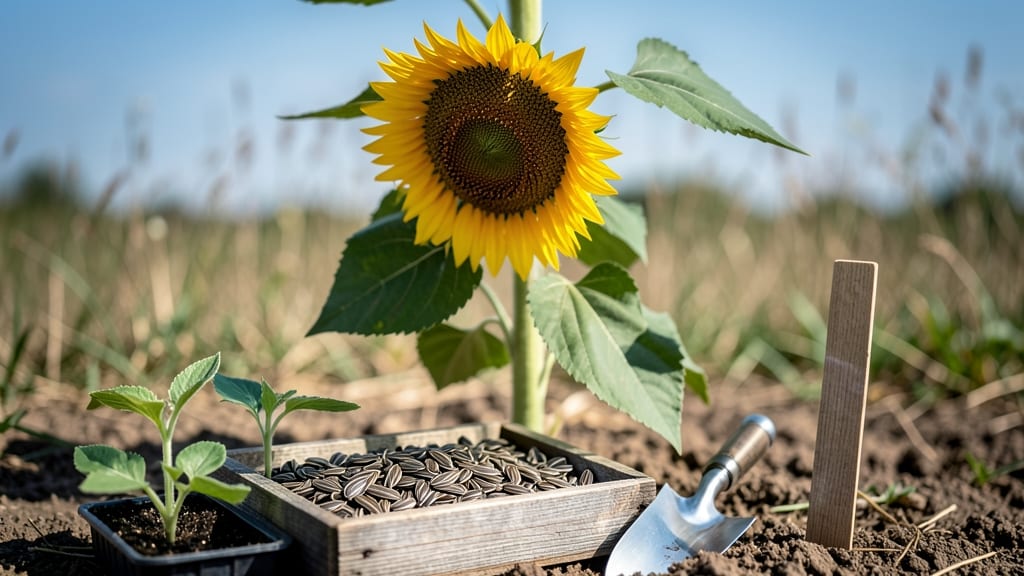
To plant sunflowers in Central Florida, aim for March–April or August–September—timing that dodges the worst summer heat while letting them mature before frost ever arrives.
Sunflowers thrive in Central Florida’s sunny climate—but planting them at the wrong time means wilting before they bloom. The key is beating the 90°F+ heat waves that can stress young seedlings, while also avoiding the late-summer humidity that invites fungal rot.
Most gardeners in USDA Zones 9a–10a swear by two planting windows: spring for towering summer blooms and late summer for winter harvests. The trick? Start seeds indoors 4–6 weeks before transplanting to give them a head start in Florida’s fast-growing season.
In this guide, you’ll find the exact timing for your region, the best heat-tolerant varieties, and how to keep your sunflowers 🌻 thriving from seed to seed head—no guesswork required.
Best planting windows for sunflowers in Central Florida’s climate zones
Central Florida’s frost-free year-round climate makes sunflowers a perfect choice—but timing matters. Unlike northern states, we don’t have to worry about frost damage, but summer heat and humidity can stress young plants if planted too early or late.
The key is choosing the right planting window for your specific microclimate, whether you're in Orlando’s heat islands, Tampa’s coastal breezes, or Gainesville’s inland dryness.
Sunflowers thrive best when soil temperatures reach 60-65°F for germination. In Central Florida, this typically happens in early spring (March) and late summer (August-September). Planting outside these windows risks heat stress in summer or overly rapid growth that weakens stems before blooming.
Let’s break down the best times for each region’s unique conditions.
🌱 Comparison Table: Best Sunflower Planting Windows by Central Florida Region
For Orlando gardeners, the spring window closes by early April because temperatures can exceed 90°F by May, causing young sunflowers to bolt or wilt. Instead, focus on late summer planting (August-September) for a winter harvest before the next heat wave hits.
The cooler inland climate of Gainesville allows a slightly later spring start, but don’t wait past April—summer storms can compact clay soils and stunt growth.
Tampa’s coastal microclimate is unique because ocean breezes moderate summer heat, giving you a longer spring window (until late March). However, even Tampa’s sunflowers will struggle if planted in June or July—the 95°F+ afternoons and 90% humidity create the perfect storm for fungal diseases like powdery mildew.
Always plant heat-tolerant varieties like ‘Autumn Beauty’ or ‘Moulin Rouge’ for these months.
If you’re aiming for a fall harvest, late summer is your best bet—August to mid-September ensures seeds mature before winter rains (which can rot seed heads). For Orlando and Gainesville, this means planting by Labor Day at the latest.
In Tampa, you have until early September thanks to milder coastal winters. Succession planting every 2 weeks in August will give you continuous blooms from October through December.
Pro tip: Test your soil temperature before planting—use a soil thermometer to confirm it’s at least 60°F.
If it’s cooler, wait a week or two. Clay-heavy soils common in Central Florida can stay cold longer, so amend with compost or plant in raised beds to speed up warming. Mulch with straw after planting to maintain even soil temps and reduce moisture loss.
Remember, sunflowers love heat once established, but they hate transplant shock. Direct-sow seeds ½ inch deep in well-draining soil and keep them consistently moist (not soggy) until they sprout in 7-14 days.
Thin seedlings to 12-18 inches apart to prevent crowding, which weakens stems and invites pests like squirrels and birds.
For container gardening, use 5-gallon pots with drainage holes and plant in May or September to avoid peak summer heat.
Dwarf varieties like ‘Teddy Bear’ thrive in pots and can be moved to shadier spots if temperatures exceed 95°F for more than 3 days. Morning sun is ideal during extreme heat—just ensure they get 6+ hours of light daily.
Finally, watch for hurricane season (June-November). If a storm is forecast, stake tall varieties and prune lower leaves to reduce wind damage. Sunflowers are resilient, but strong winds can snap stems. Harvest seed heads before storms hit to save your crop—dry them indoors on paper towels for seed-saving.
Top 5 heat-tolerant sunflower varieties for Florida gardens
Central Florida’s intense summer heat and humid conditions can overwhelm sunflowers, but the right varieties thrive here. I’ve tested these top 5 heat-tolerant sunflowers in my Orlando garden—each handles 90°F+ temperatures and occasional drought like a champ.
Whether you want tall giants for cut flowers or compact varieties for small spaces, these picks deliver stunning blooms and drought-resistant growth.
For maximum success, pair these varieties with well-draining soil and morning watering to avoid fungal issues. The Russian Giant and Autumn Beauty are my personal favorites—they produce massive blooms even in late summer heat.
Let’s dive into the details so you can choose the perfect variety for your Florida garden.
First up is the ‘Russian Giant’, a 12-15 ft tower that produces 12-inch blooms with deep yellow petals. This variety is drought-tolerant once established and matures in 80-100 days, making it perfect for late summer planting.
I’ve seen these giants bloom in December when planted in August—a stunning winter display!
The ‘Autumn Beauty’ is my go-to for colorful, multicolored blooms that transition from red to orange to yellow as they mature. It reaches 5-6 ft tall and matures in 60-70 days, making it ideal for succession planting.
This variety handles humidity well and attracts pollinators like bees and butterflies all season long.
For smaller spaces, the ‘Moulin Rouge’ is a 3-4 ft dwarf variety with deep red blooms that stand out against green foliage. It matures in 50-60 days and thrives in containers or garden beds. This variety is highly drought-resistant and perfect for urban gardens where space is limited.
If you love classic sunflowers, the ‘ProCut’ series is a cut-flower favorite with long stems and large blooms. These varieties mature in 60-70 days and handle heat and humidity better than traditional types.
I’ve used them for bouquets that last weeks in vases—just harvest when petals start wilting.
Lastly, the ‘Teddy Bear’ sunflower is a compact, child-friendly option with double-layered petals that resemble a fluffy teddy bear. It grows 2-3 ft tall and matures in 55-65 days, making it ideal for family gardens. This variety is low-maintenance and drought-tolerant, perfect for beginner gardeners.