
Flowers
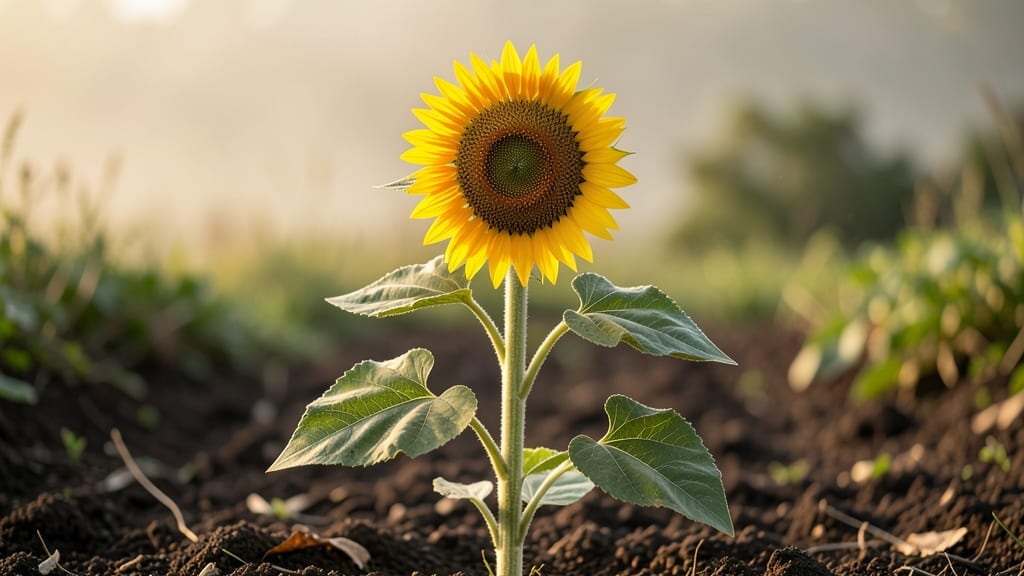
Sunflowers can grow up to 16 feet tall—taller than most gardeners and nearly as tall as a two-story building!
That’s right: these cheerful 🌻 giants aren’t just pretty faces in the garden. They’re architectural statements, capable of reaching sky-high proportions with the right care.
Whether you’re dreaming of a sunflower towering over your fence or just curious about their growth potential, understanding their height range is key to planning your garden layout.
From dwarf varieties that stay under 4 feet to the legendary Russian Giant strain that can hit 12–16 feet, sunflower heights vary wildly. Genetics, sunlight, soil quality, and even watering habits all play a role in how tall your sunflowers will grow.
If you’ve ever wondered why some sunflowers stay short while others shoot up like skyscrapers, the answer lies in these factors—and a few simple gardening tweaks.
In this guide, I’ll break down the tallest sunflower varieties, share pro tips to maximize height without sacrificing stability, and help you avoid common mistakes that stunt growth.
Whether you’re a beginner or a seasoned gardener, you’ll learn how to coax your sunflowers to reach their full potential—and maybe even turn your garden into a sunflower skyline!


Sunflower height records: tallest varieties and their growth limits
If you’ve ever wondered just how tall can sunflowers grow, the answer might surprise you. Some varieties stretch toward the sky like giant sunflowers, reaching heights that dwarf even the tallest gardeners.
The record-holder, Mammoth sunflowers, can tower over 12 feet, while certain hybrid varieties have even surpassed 16 feet under ideal conditions. These towering beauties aren’t just impressive—they’re also perfect for creating dramatic focal points in your garden or even as natural privacy screens.
The tallest sunflower varieties owe their height to a combination of genetics, climate, and proper care. While some sunflowers stay compact at just a few feet, the giants like 'Russian Giant' and 'American Giant' push the limits of what’s possible.
Understanding these factors can help you grow sunflowers that reach their full potential—or even break records in your own backyard!
| Variety | Average Height | Max Recorded Height | Growth Notes |
|---|---|---|---|
| Mammoth | 10–14 ft | 16+ ft | Needs rich soil, full sun |
| Russian Giant | 12–16 ft | 18 ft (record) | Cold-hardy, fast-growing |
| American Giant | 10–14 ft | 15 ft | Drought-tolerant once established |
| Colossus | 8–12 ft | 14 ft | Early bloomer, great for short seasons |
The tallest sunflower varieties like 'Russian Giant' and 'Mammoth' can grow up to 18 feet in perfect conditions, but their height depends on more than just genetics. Sunlight exposure is critical—these giants need at least 6–8 hours of direct sun daily to fuel their rapid growth.
Without enough light, their stems weaken, and they may struggle to reach their full potential. Even the most robust varieties can fall short if planted in shady spots or crowded areas where they compete for resources.
Another key factor is soil quality. Sunflowers thrive in well-draining, nutrient-rich soil with a pH between 6.0 and 7.5. Amending your soil with compost or a balanced fertilizer (like 10-10-10) can give these towering plants the boost they need.
I’ve found that adding a handful of compost at planting time and side-dressing with fertilizer mid-season makes a noticeable difference in height and stem strength.
Climate also plays a role in determining how tall can sunflowers grow. Cooler climates with shorter growing seasons may limit their height, while warm, longer summers allow them to stretch taller.
For example, 'Russian Giant' sunflowers in USDA zones 4–9 often reach their maximum height because they have ample time to mature. If you’re in a cooler zone, consider starting seeds indoors or choosing early-maturing varieties like 'Colossus' to maximize growth.
Watering is another often-overlooked factor. While sunflowers are drought-tolerant once established, their rapid growth phase requires consistent moisture. Deep watering 2–3 times per week (especially during dry spells) encourages strong root development, which supports taller stems.
I’ve seen sunflowers wilt dramatically when watered shallowly—always water at the base to avoid fungal issues and encourage deep root growth.
Even with perfect conditions, tall sunflowers need support to prevent them from toppling over. Without stakes or cages, a 12-foot sunflower can easily snap under its own weight or in windy conditions.
I recommend using 3–4-foot stakes inserted at planting and tying the stems loosely with soft fabric as they grow. This gives them stability without restricting their growth. For extra support, consider planting them near a fence or trellis where they can lean naturally.
If you’re dreaming of growing giant sunflowers that rival small trees, focus on these key elements: full sun exposure, rich soil, consistent watering, and proper support. With the right variety and care, you could easily grow sunflowers that reach <
How to grow sunflowers taller: pro tips for maximizing height
Want to grow sunflowers that reach sky-high heights? With the right techniques, you can coax those towering stalks to grow 10 feet or taller—even in standard garden spaces. The secret lies in combining genetic potential with ideal growing conditions.
I’ve grown Mammoth sunflowers that nearly touched our garage roof, and I’ll share exactly how to replicate those results in your own garden.
Sunflowers thrive when given the perfect mix of nutrient-rich soil, consistent moisture, and proper support. Skipping any of these steps can leave your plants stunted or prone to toppling over. For maximum height, focus on three key areas: soil preparation, strategic watering, and structural support.
Let’s break down each step so you can grow sunflowers that command attention in your landscape.
Timing your planting is another often-overlooked factor. For maximum height, sow seeds when soil temperatures reach 55°F or warmer, typically in late spring after the last frost. Early planting gives sunflowers more time to develop strong root systems before the growing season peaks.
I’ve found that planting in May yields the tallest sunflowers in my Zone 6a garden.
Finally, don’t forget to monitor for pests like aphids or slugs, which can weaken stems. A quick spray of neem oil keeps pests at bay while allowing your sunflowers to focus their energy on reaching new heights.
With these tips, you’ll be growing sunflowers that dwarf your neighbors’ gardens in no time!