
Size
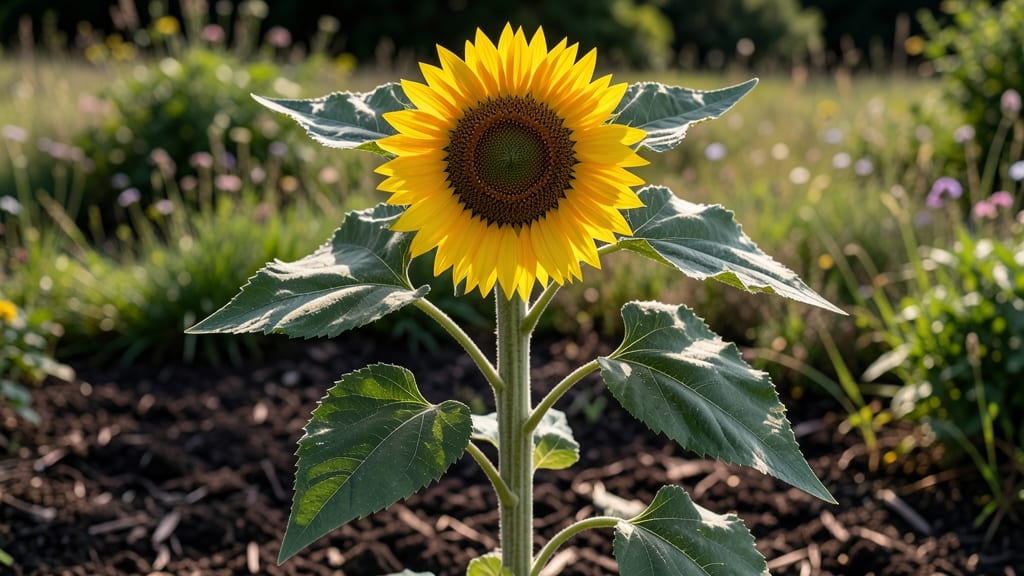
Mammoth sunflowers grow to 10–14 feet tall with flower heads as wide as your forearm—taller than most gardeners and nearly as high as a basketball hoop!
If you’ve ever dreamed of towering sunflowers that turn heads and fill your garden with golden sunshine, Mammoth sunflowers are the answer—but first, you need to know exactly how big they’ll grow to plan your space wisely.
These giants thrive in full sun and need plenty of room to stretch their sturdy stems, so spacing them 18–24 inches apart is key. Without proper support, they can flop over in wind or rain, so staking or planting near a fence helps them reach their full height.
Beyond their impressive size, Mammoth sunflowers are a pollinator magnet and perfect for cut-flower arrangements. Below, I’ll break down their exact growth habits, spacing needs, and tips to keep them standing tall all season.
Mammoth sunflower heights by variety: exact growth data for planning
If you're planning a dramatic sunflower display, knowing how big mammoth sunflowers get is essential. These giants can reach 10–14 feet tall, but varieties vary—some stay shorter while others stretch toward the sky.
Proper spacing and support become critical when dealing with stems this tall, especially in wind-prone areas. Let’s break down the exact heights by popular Mammoth sunflower varieties so you can plan your garden layout with confidence.
Mammoth sunflowers aren’t just tall—they’re statement plants that demand attention. Their flower heads alone can span 12–18 inches wide, making them perfect for cut arrangements or pollinator gardens. However, their height means they need room to thrive without crowding neighbors or toppling over.
Understanding each variety’s growth habits helps you choose the right spot and provides the support they need to reach their full potential.
Here’s a quick reference for the most popular Mammoth sunflower varieties and their mature heights, along with ideal spacing to keep your garden organized and your sunflowers standing tall.
When planning your sunflower garden layout, consider the mature height of each variety to avoid overcrowding. For example, the Russian Giant needs 36–48 inches of space to prevent flopping, while the Mammoth Sungold can thrive in tighter spaces.
If you’re growing multiple varieties, place taller types at the back of borders or near fences for natural support.
Proper spacing requirements also reduce competition for nutrients and sunlight, ensuring each plant grows to its full potential. For instance, planting Mammoth Russian sunflowers 24–36 inches apart gives them room to develop strong stems and large flower heads.
Skimping on space can lead to weak, leggy stems that struggle to support their own weight, especially in windy conditions.
Another key factor is soil preparation. Mammoth sunflowers thrive in well-draining, nutrient-rich soil with a pH between 6.0–7.5. Amending your soil with compost before planting ensures they have the energy to reach their maximum height.
I always mix in a balanced fertilizer (like 10-10-10) at planting time to give them a strong start.
For varieties like the Russian Giant, which can exceed 14 feet, consider adding support structures early in their growth. A simple stake or cage placed at planting time prevents bending and ensures the stem grows straight.
Even shorter varieties benefit from gentle support, especially if you’re growing them in windy climates or near walkways where accidental brushing could cause damage.
Finally, think about the visual impact of your sunflowers. A row of Mammoth Gold or Autumn Beauty varieties creates a stunning golden backdrop, while the Russian Giant adds drama to large gardens or fields.
By choosing the right varieties and spacing them correctly, you’ll create a showstopping display that brings joy to pollinators and admiration from neighbors.
With these exact height guidelines and spacing tips, you’re ready to plan a sunflower garden that’s both functional and breathtaking. Happy planting! 🌻
How to maximize Mammoth sunflower growth without sacrificing stability
Mammoth sunflowers can reach 12–16 feet tall, but their towering beauty comes with a challenge: staying upright in wind or rain. Without proper support, these sun-loving giants can flop over, leaving your golden blooms buried in soil.
The key to success lies in preventative care—starting with the right soil prep and support systems before they even sprout.
I’ve learned the hard way that skipping support for these giants is like building a skyscraper without a foundation. Your Mammoth sunflowers will grow, but they’ll also wobble like a drunk jenga tower on a breezy day.
The good news? With a few simple strategies—like staking, trellising, or caging—you can help them reach their full 10–14 foot potential while keeping them standing tall.
- 1 Soil Prep: Amend soil with compost and organic matter to improve drainage and nutrient uptake. Mammoth sunflowers thrive in loose, fertile soil that supports their deep root systems.
- 2 Spacing: Plant seeds 6 inches apart, then thin to 18–24 inches apart. Overcrowding weakens stems and increases flopping risks.
- 3 Support Systems: Use bamboo stakes (3–4 ft tall) or tomato cages (5–6 ft) to provide early support. For 12+ ft varieties, install tall trellises or lean them against fences/walls.
- 4 Watering: Water deeply 2–3 times per week (1–2 gallons per plant). Keep soil consistently moist but avoid waterlogging, which weakens stems.
- 5 Pruning: Remove lower leaves to improve airflow and reduce pest risks. Avoid heavy pruning—focus on supporting the main stem.
One of my biggest mistakes was waiting until my Mammoth sunflowers were already 8 feet tall to add support. By then, their stems were too thick to stake properly, and they leaned like drunken sailors in the slightest breeze.
Start support early—as soon as seedlings reach 12 inches—to give their stems time to strengthen around the stakes.
For extra stability, I now use a combination of bamboo stakes and soft plant ties (avoid wire, which can cut into stems). If you’re growing near a fence or wall, let them lean naturally—just tie them loosely to prevent damage.
And if you’re feeling adventurous, try DIY trellis systems made from pvc pipes or wooden frames for a rustic look.
Don’t forget that consistent watering is just as critical as physical support. Deep watering early in the morning encourages strong root growth, which helps anchor your sunflowers against wind.
Mulch around the base with straw or wood chips to retain moisture and prevent soil erosion during heavy rains—another common cause of toppling.
With these strategies, your Mammoth sunflowers will not only reach their full 12–16 foot height but also stand proudly in your garden, attracting pollinators and turning heads all season long. 🌻