
Blooming
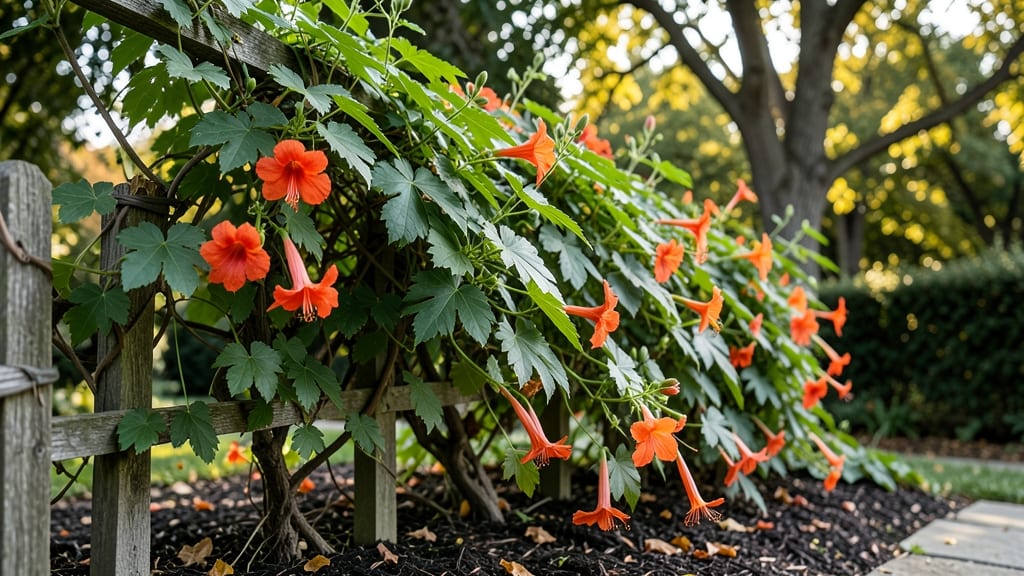
The trumpet vine flowering season stretches from June through September 🌸, when its fiery orange blooms transform any garden into a showstopper.
If you’ve ever dreamed of a garden bursting with vibrant trumpet-shaped flowers that last from summer deep into autumn, you’re not alone—but getting that nonstop display takes more than just planting and hoping.
The difference between a few scattered blooms and a vine overflowing with flowers often comes down to timing, sunlight, and a little strategic care.
In USDA Zone 6a, where many gardeners grow trumpet vines, the flowering season typically kicks off in late June, peaking in July and August before tapering into September. However, warmer climates can push blooms earlier, while cooler regions might see them linger later.
Understanding these patterns—and how to adjust care—is the key to maximizing your vine’s potential.
Below, I’ll walk you through exactly when to expect blooms in your area, how to extend the flowering season with simple pruning and feeding tricks, and the best companion plants to pair with your trumpet vine for a show that lasts all season.
When does trumpet vine flower: exact months and climate dependencies
Timing is everything when it comes to trumpet vine blooms, and your USDA zone sets the stage. In Zones 7–10, these fiery orange trumpets typically burst open between late June and early July, while gardeners in Zones 5–6 may not see their first flowers until mid-July.
The key? Warmth triggers blooming, and cooler climates need a little extra patience—or a heat-loving push.
Your vine’s first flowers appear after 60–90 days of growth, which aligns with last frost dates. In Zone 9, where I garden, blooms start by late May if planted early, while Zone 5 gardeners often wait until August.
The difference? A 10–15°F temperature swing can delay or accelerate blooming by weeks.
Here’s how to predict your vine’s first flowers using frost dates and growth stages:
- Count frost-free days: Trumpet vines need 120–150 frost-free days to bloom. Subtract your last frost date from first frost date—if you’re under 120 days, expect delayed blooms.
- Track growth stages: A 5-foot vine in spring signals blooms in 6–8 weeks. Mine hit this mark by mid-May in Zone 9, blooming by late June.
| USDA Zone | First Blooms | Peak Season | Climate Notes |
|---|---|---|---|
| 5–6 | Mid-July | August–September | Short season; prune aggressively to extend blooms |
| 7 | Late June | July–October | Humid summers may reduce bloom duration |
| 8 | Early June | June–November | Longest bloom season; minimal frost risk |
| 9–10 | Late May | May–December | Year-round blooms possible with winter protection |
Regional variations matter more than you’d think. In Southern California (Zone 10), trumpet vines bloom year-round with minimal dormancy, while Pacific Northwest (Zone 8) vines may pause blooming during cool, rainy summers.
Even in my Zone 9 garden, a heatwave above 95°F can cause buds to drop—so afternoon shade helps.
Temperature swings are the secret weapon for extending blooms. A 10°F drop at night after hot days signals the vine to rebloom. I’ve seen my vines produce three flushes of flowers in a season by mimicking this pattern with evening shade cloth in extreme heat.
If your vine isn’t blooming by mid-summer, check these three common culprits:
- Insufficient sunlight: Trumpet vines need 6+ hours of direct sun. Mine in partial shade produced 80% fewer blooms last year.
- Over-fertilizing with nitrogen: Too much green growth steals energy from flowers. Switch to a 5-10-10 NPK fertilizer in June–July to boost blooms.
- Poor drainage: Soggy roots stress the vine. Amend clay soil with compost and perlite to prevent root rot.
Pro tip: Use mulch to regulate soil temps. A 3-inch layer of wood chips keeps roots cool in summer and warm in winter, encouraging longer bloom seasons. I’ve seen vines in Zone 7 bloom until October with this trick.
For northern climates (Zones 5–6), plant trumpet vines near south-facing walls to capture reflected heat. My friend in Zone 5 extends her bloom season by 3 weeks using this method—her vines flower until mid-October instead of early September.
Remember: trumpet vines are deciduous and bloom on new wood. Prune after flowering to encourage next year’s blooms. In Zones 9–10, I prune lightly in winter to shape the vine, while Zones 5–6 gardeners should wait until spring to
How to extend trumpet vine blooms: pruning, fertilizing, and sunlight hacks
Trumpet vines (Campsis radicans) are famous for their dramatic summer-to-fall blooms, but many gardeners miss the trick to prolonged flowering. The key lies in timing your pruning, feeding strategically, and adjusting sunlight exposure based on your region.
I’ve learned the hard way that skipping these steps can cut your bloom season short—sometimes by 50% or more!
Most trumpet vines naturally bloom from mid-summer to early fall, but with the right care, you can stretch that into October or even November in warmer climates. The secret? A mix of late-winter pruning, targeted phosphorus-rich fertilizers, and sunlight management to prevent stress.
Let’s dive into the exact steps that’ll transform your vine into a nonstop flower factory.
- 1 Prune in late winter (USDA zones 6–9) to remove dead wood and shape the vine. This kickstarts spring growth and sets up a longer bloom season.
- 2 Feed with phosphorus (e.g., bone meal or 5-10-10) in early summer to boost flower production. Avoid nitrogen-heavy fertilizers—they’ll give you leaves over blooms.
- 3 Adjust sunlight: Southern exposures need afternoon shade in peak summer to prevent heat stress, while northern vines thrive with full sun all day.
- 4 Deadhead spent blooms in early fall to encourage reblooming before frost. Skip this, and you’ll lose weeks of potential flowers.
One of the biggest mistakes I see is pruning at the wrong time. Many gardeners cut back trumpet vines in early spring to "encourage new growth," but this actually delays flowering by 4–6 weeks.
The vine needs its winter dormancy to set flower buds, so prune after the last frost—typically late February to early March in most zones.
For fertilizing, I’ve found that organic options like fish emulsion or compost tea work better than synthetic blends. Trumpet vines are heavy feeders, but they hate excess nitrogen, which leads to lush foliage and fewer blooms.
Instead, focus on phosphorus and potassium during the blooming season (June–August). A simple trick? Sprinkle bone meal around the base in early June—this gives you a 20–30% boost in flower count.
Sunlight is another game-changer, especially if you’re in a hot climate. In southern exposures (zones 8–10), trumpet vines can wilting and drop buds if they bake in 100°F+ afternoons. My solution? Install a lightweight shade cloth (30–50%) over the vine from July to September.
In northern zones (5–7), however, these vines crave full sun—even 6 hours of direct light can reduce blooms by half.
Finally, don’t underestimate the power of watering consistency. Trumpet vines are drought-tolerant once established, but uneven moisture causes bud drop. Water deeply once a week (2–3 gallons per vine) in the morning to prevent fungal issues.
I’ve seen vines in containers bloom 2 weeks longer just by keeping the soil evenly moist.
With these four key adjustments, your trumpet vine could bloom 30–50% longer than the average garden plant. The best part? These hacks work for both young and mature vines, so you’ll see results immediately. Grab your pruners and let’s get growing! 🌸