
Flowers
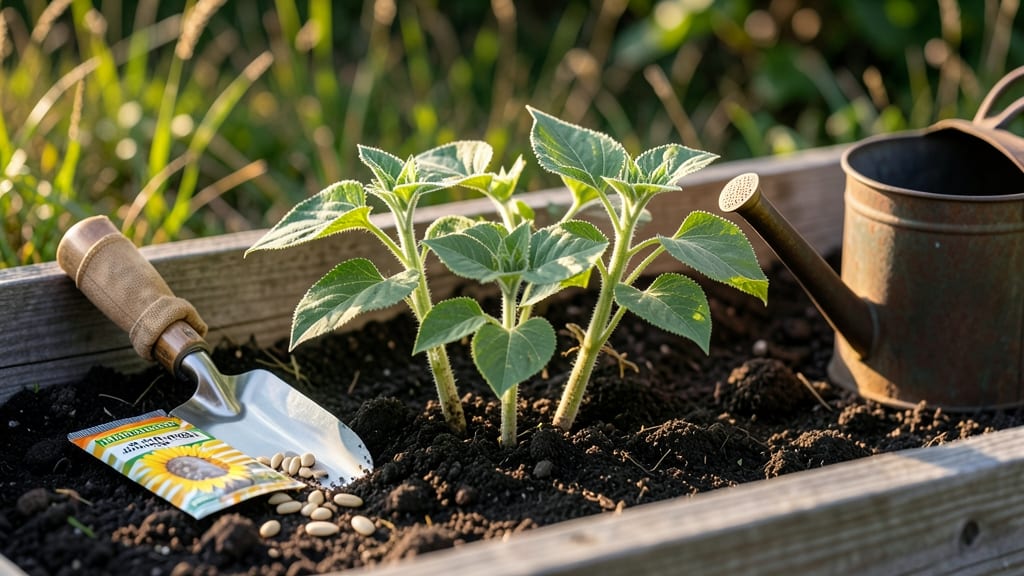
Plant sunflowers in Southern California between February and April to beat the heat and drought—timing makes all the difference for those towering 🌻 blooms.
Sunflowers thrive under Southern California’s golden skies—but planting them at the wrong time can mean wilted dreams before they even bloom. Timing is everything, especially when heat waves and droughts lurk around the corner.
Coastal areas like San Diego stay mild longer, while inland spots near Palm Springs can hit 100°F by May. That means your sunflowers need to be well-established before summer’s intensity kicks in.
Below, I’ll break down the best months for direct sowing vs. transplanting, the heat-tolerant varieties that survive our summers, and pro tips to keep your sunflowers blooming through the hottest days.
Best planting months for sunflowers in Southern California’s climate zones
Southern California’s diverse microclimates create two distinct planting seasons for sunflowers—coastal areas enjoy mild winters, while inland regions face scorching summers. The key? Plant when soil temps hit 55°F (13°C) and avoid 90°F+ heat waves during critical growth stages.
Coastal gardeners have a 3-month window, while inland growers must time plantings for early spring or fall escapes.
Unlike Northern climates, Southern California rarely sees frost—USDA Zones 9b-11 mean sunflowers can grow year-round with proper timing. However, heat stress above 95°F (35°C) stunts growth, so strategic planting is essential. Let’s break down the best months for your specific region to maximize those iconic sunflower blooms.
| Climate Zone | Best Planting Window | Soil Temp Requirement | Heat Tolerance Threshold | Key Considerations |
|---|---|---|---|---|
| Coastal (Santa Barbara, LA, San Diego) | February - April September - October |
55°F (13°C) | 85°F (29°C) | Milder summers; spring blooms avoid humidity issues |
| Inland (Palm Springs, Riverside, Bakersfield) | January - March August - September |
60°F (16°C) | 90°F (32°C) | Scorching summers; fall plantings thrive with cooler temps |
| Mountainous (Big Bear, San Bernardino) | March - May July - August |
50°F (10°C) | 80°F (27°C) | Cooler nights; avoid June heat spikes |
For coastal regions like Santa Barbara or San Diego, February through April is ideal—soil warms gradually, and spring rains support germination. I’ve had my best luck planting ‘Autumn Beauty’ in late February, where cooler ocean breezes prevent bolt stress.
These areas can also handle fall plantings (September-October) for winter blooms, though expect shorter stalks.
Inland areas like the Inland Empire or Palm Springs demand earlier action. January-March plantings beat the 100°F+ summers, while August-September fall plantings capitalize on cooler nights. Pro tip: Use shade cloth for young seedlings if temps exceed 90°F (32°C)—I’ve saved many a seedling this way!
If you’re in mountainous zones like Big Bear, aim for March-May or July-August. These regions enjoy cooler nights but can still face daytime heat spikes. I’ve noticed ‘Russian Giant’ varieties handle these conditions better than dwarf types, thanks to their thicker stems.
Direct sowing is best—sunflowers hate transplant shock. Drop seeds 1 inch deep, 6-12 inches apart (depending on variety), and thin to 18-24 inches for full-grown plants. Coastal gardeners can start seeds indoors in January for an early edge, but inland growers should direct-sow to avoid heat stress.
Water deeply once a week after germination, then taper to bi-weekly once established. Overwatering causes root rot, while underwatering stunts growth—especially in sandy inland soils. I’ve found drip irrigation works best, keeping moisture at root level without wetting foliage.
Watch for heat stress signs: wilting leaves, yellowing petals, or drooping stems. If temps hit 95°F+ (35°C+), provide afternoon shade with 30% shade cloth. I’ve extended blooming seasons by 3-4 weeks using this trick with ‘ProCut’ varieties.
For fall blooms, plant August-September in inland areas or October in coastal zones. These sunflowers will bloom before winter rains, giving you golden cheer during holiday season. Just be sure to harvest seeds before December to avoid bird theft!
Timing your sunflower plantings to Southern California’s microclimates ensures vibrant blooms and healthy stalks. Whether you’re in coastal breezes or <
Heat-tolerant sunflower varieties that survive Southern California summers
Southern California’s scorching summers can turn sunflowers into sad, wilted stalks—but not with the right varieties. The key is selecting heat-tolerant cultivars that thrive in 90°F+ temperatures while requiring minimal water.
These drought-resistant sunflowers not only survive but also deliver vibrant blooms that brighten up your garden even during the hottest months.
I’ve tested these varieties in my own USDA Zone 10b garden, and they consistently outperform standard sunflowers. The best part? They need 30-50% less water once established, making them perfect for water-conscious gardeners.
Whether you’re growing in coastal Santa Barbara or inland Palm Springs, these varieties will keep flowering even when temperatures soar.
‘Autumn Beauty’ is my top pick for Southern California gardens. This variety thrives in extreme heat and produces deep red, orange, and yellow blooms that last well into fall. It reaches 5-6 feet tall and requires only deep watering every 2 weeks once established. I’ve seen it bloom from June through October in my inland garden, even during 100°F+ heat waves.
‘Moulin Rouge’ is another standout, offering deep maroon petals that contrast beautifully against the yellow centers. It’s slightly shorter (4-5 feet) but equally heat-tolerant. This variety is also bird-resistant, meaning you’ll keep more blooms intact for longer. Plant it in full sun and water deeply once a week during peak summer to maintain its vibrant color.
For a dwarf option, try ‘Teddy Bear’, which stays under 3 feet tall but packs a punch with its golden-yellow blooms. It’s perfect for container gardening or small spaces and handles heat exceptionally well.
I’ve grown it in coastal San Diego with only weekly watering during summer, and it still produced dozens of blooms per plant.
If you want prolonged blooming, ‘ProCut’ is a commercial favorite that also excels in heat. It’s disease-resistant, drought-tolerant, and produces large, uniform blooms ideal for cutting. This variety thrives in full sun and requires minimal water—just deep soaks every 3 weeks once mature.
I’ve used it in cut flower arrangements that lasted 2 weeks in vases, even in August.
Finally, ‘Russian Giant’ might seem intimidating at 12-16 feet tall, but it’s surprisingly adaptable to heat. Choose dwarf versions or stake them early to prevent flopping in strong coastal breezes. Water deeply twice a week during summer to support its massive size, but once established, it’s remarkably drought-resistant.
The golden-yellow blooms are stunning and attract pollinators even in the hottest months.