
Flowers
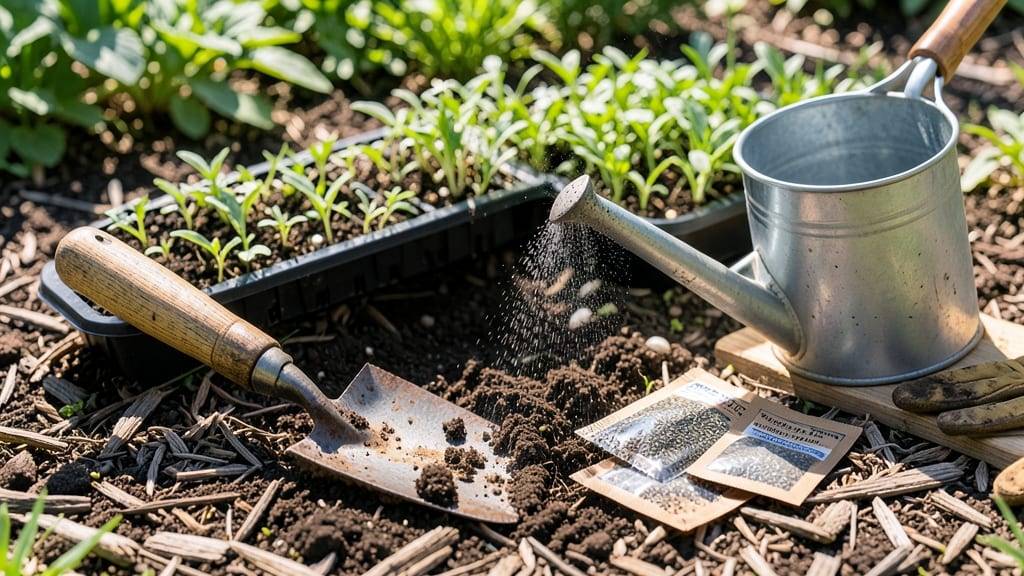
Planting wildflowers in the Pacific Northwest at the right time ensures fast germination and vibrant blooms all summer, whether you’re in Zone 7b or 9a.
Timing is everything—get it wrong, and your seeds might sprout too late for a full bloom season. But with the right frost-free dates by zone, you can skip the guesswork and create a meadow that thrives from spring to summer.
In the Pacific Northwest, wildflowers like Pacific Coast Iris and Yarrow love the region’s mild winters and wet springs, but they need precise planting windows to avoid frost damage. We’ll break down the best months for both spring and fall planting, plus how to prep your soil for fast growth.
Ready to transform your garden? You’ll learn exactly when to plant, which species work best in your zone, and how to extend your blooming season with simple strategies.
Pacific Northwest frost-free dates by USDA Zone for wildflower planting
Timing your wildflower planting in the Pacific Northwest means understanding your USDA zone and local frost patterns. The region spans zones 7b through 9a, with dramatic differences in frost-free periods that directly impact seed germination and plant establishment.
For example, Zone 7b gardeners face earlier frosts than those in Zone 9a, requiring precise timing to avoid winter damage.
Most wildflower seeds need consistent soil temperatures between 50-65°F to germinate properly. In cooler zones like 7b, wait until after the last average frost date (typically mid-March), while warmer Zone 9a areas can start as early as late February.
Fall planting also works well, but seeds must establish roots before winter dormancy begins.
Here's a quick reference for your zone's optimal planting windows and key frost dates to plan ahead:
| USDA Zone | Last Frost Date | First Frost Date | Spring Planting Window | Fall Planting Window | Soil Temp for Germination |
|---|---|---|---|---|---|
| 7b | Mid-March | Mid-November | April 1 - May 15 | August 15 - September 15 | 50-60°F |
| 8a | Early March | Late October | March 15 - April 30 | August 1 - September 10 | 55-65°F |
| 8b | Late February | Mid-October | March 1 - April 15 | July 31 - August 31 | 55-65°F |
| 9a | Late February | Early December | February 15 - March 31 | July 15 - August 15 | 60-70°F |
For Zone 7b gardeners, the spring planting window opens later due to colder winters, but fall planting offers a longer window before the first frost. In Zone 9a, you can start seeds as early as February, giving you a head start on the growing season.
Always check your local microclimate—valleys and coastal areas may have different frost dates than inland regions.
Soil temperature matters just as much as air temperature. Use a soil thermometer to confirm conditions before planting. Most wildflower seeds need consistent warmth to break dormancy. If your soil stays below 50°F for too long, germination will stall.
In cooler zones, consider using black plastic mulch or cold frames to warm the soil faster in early spring.
Fall planting has unique advantages in the PNW. Seeds sown in late summer get a head start on root growth before winter, often producing earlier blooms the following spring. However, avoid planting too late—seeds need 4-6 weeks to establish roots before the ground freezes.
In Zone 7b, aim for August 15 or earlier, while Zone 9a can extend planting until September 15.
Don't forget about rainfall patterns, which can delay planting. The PNW's wet springs often mean soggy soil, so wait until the ground is workable before sowing.
If you're planting in clay-heavy soil, mix in compost or sand to improve drainage. Well-draining soil prevents seed rot and ensures your wildflowers thrive once established.
Protect young seedlings from unexpected late frosts by using frost cloth or row covers. Even in Zone 9a, a cold snap can damage tender new growth. Monitor your local weather forecasts and be ready to cover plants if frost is predicted in the spring or fall planting windows.
Remember that native wildflowers are best adapted to your local climate. Species like Pacific Coast Iris or Yarrow thrive with minimal intervention once established. By aligning your planting with these frost-free dates, you'll create a low-maintenance meadow that blooms beautifully year after year.
Best wildflower species for Pacific Northwest climates and their ideal planting times
The Pacific Northwest's unique climate—with its mild winters, wet springs, and dry summers—creates perfect conditions for native wildflowers that thrive with minimal fuss. Choosing the right species for your USDA zone (7-9) ensures vibrant blooms year after year.
Annuals like California poppies (Zone 7-9) and perennials like Pacific Coast iris (Zone 7) each have ideal planting windows to maximize their beauty.
For annual wildflowers, timing is critical—they need 60-90 frost-free days to complete their life cycle. In contrast, perennial varieties establish roots early, making them more forgiving for fall planting. Let’s dive into the best species for each zone and when to plant them for stunning results.
🌿 Top Wildflower Species for the Pacific Northwest & Planting Times
- 1. Pacific Coast Iris (Zones 7-9) – Plant fall (September-October) for early spring blooms. Prefers moist, well-drained soil and partial shade.
- 2. Yarrow (Zones 3-9) – Ideal for late summer (August) planting. Thrives in full sun and drought-tolerant conditions.
- 3. California Poppy (Zones 7-9) – Sow early spring (March-April) or fall (September) for best germination. Loves well-draining soil.
- 4. Lupine (Zones 4-9) – Plant late winter (February) or early spring (March). Fixes nitrogen in soil, benefiting other plants.
- 5. Checker Bloom (Zones 5-9) – Best sown spring (April-May). Thrives in partial shade and moist soil.
- 6. Oregon Sunshine (Zones 7-9) – Plant fall (October) for spring blooms. Drought-resistant and attracts pollinators.
For Zone 7 gardeners, focus on Pacific Coast iris and lupine, which handle cooler temperatures well. In Zone 8 and 9, California poppies and Oregon sunshine shine, as they prefer warmer, drier conditions.
Always prepare your soil with compost to improve drainage, especially in clay-heavy PNW soils.
Annuals like California poppies should be sown 6-8 weeks before your last frost date. Perennials like yarrow or lupine can handle fall planting (August-October), giving them time to establish roots before winter. Mulch lightly after planting to retain moisture and protect young seedlings from late frosts.
Remember, native wildflowers require little fertilizer—they’re adapted to thrive in the PNW’s nutrient-poor soils. Over-fertilizing can harm their natural growth patterns. Instead, focus on watering deeply but infrequently once established. With the right species and timing, your wildflower meadow will burst into color from spring through summer.
Start small with a 5x5-foot plot to test what thrives in your microclimate. Experiment with mixed species for continuous blooms—early spring with lupine, summer with yarrow, and late summer with Oregon sunshine. Happy planting! 🌸