
Vegetables
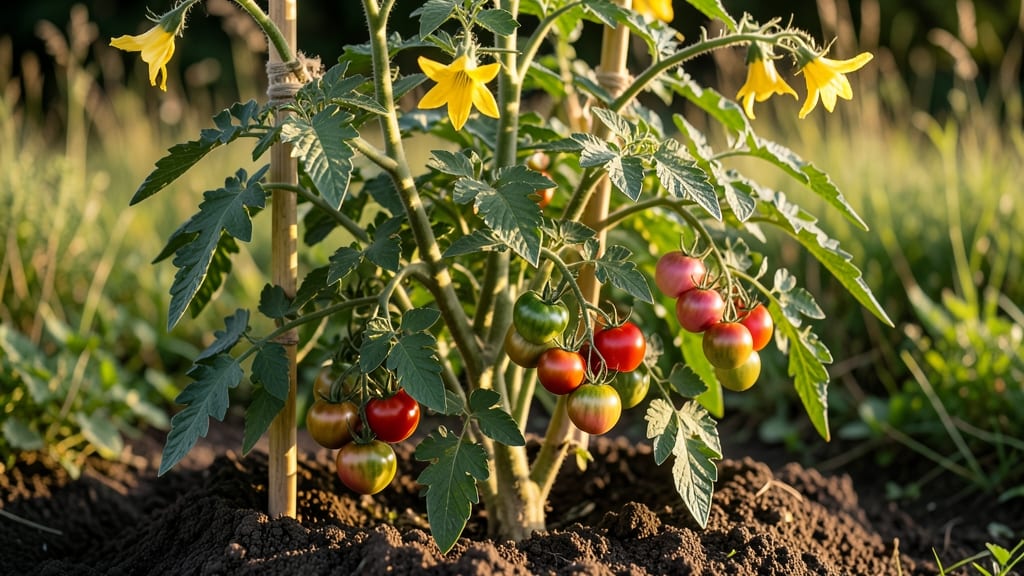
Growing rainbow heirloom tomatoes year-round turns every bite into a celebration of color and flavor. 🌈 I’ve learned that the key isn’t just planting—the timing, soil, and even how you prune can stretch your harvest from spring to frost.
These tomatoes aren’t just pretty; they’re packed with complex, sweet-tart flavors that store-bought varieties can’t match.
The secret starts with rich, well-draining soil mixed with compost—think of it as the foundation for a masterpiece. You’ll need full sun (6-8 hours daily) and a sturdy trellis or cage, because heirlooms grow 4-6 feet tall and need support.
Water consistently at the base (not the leaves) to avoid cracking those vibrant fruits, and pinch off early blossoms if your plants look stressed—they’ll reward you with bigger, more flavorful tomatoes later.
By mid-summer, you’ll be harvesting golden, purple, striped, and deep red tomatoes that taste like summer in every bite. The best part? With proper care, these plants keep producing until frost, giving you weeks of fresh harvests instead of just one big haul.
Even if pests or disease strike, I’ll show you how to save your plants and still get a bounty.
This works for containers, raised beds, or in-ground gardens—just adjust the growing space to fit your setup. Whether you’re a first-time gardener or a seasoned grower, heirlooms are worth the extra effort.
Let’s get those seeds in the ground (or plants in the pot) and turn your garden into a rainbow explosion!
📚 In This Guide
- What you need
- Instructions
- Tips and common mistakes
- Wrapping up and next steps
What you need
- ● Rainbow heirloom tomato seeds – Choose 3-5 varieties (e.g., Black Krim, Sun Gold, Brandywine) for a colorful mix.
- ● Organic potting soil – 10-15 lbs (or enough to fill 5-gallon containers). Look for a blend with mycorrhizal fungi for root health.
- ● 5-gallon containers or raised beds – 3-5 containers (1 plant per pot) or a raised bed at least 12" deep and 2' wide.
- ● Balanced fertilizer – 5-10-5 or organic options like fish emulsion or composted manure (1 cup per plant every 4-6 weeks).
- ● Tomato cages or stakes – 5-6 ft tall (1 per plant) to support vines.
- ● Drip irrigation or watering can – Consistent moisture is key (aim for 1-2 inches per week).
- ● Pruning shears – For trimming suckers and shaping plants.
- ● Seed starting kit – Includes trays, seedling domes, and grow lights (if starting indoors).
- ● Mulch (straw or shredded leaves) – Helps retain moisture and suppress weeds.
- ● Epsom salt (magnesium sulfate) – 1 tbsp per gallon of water (monthly spray for green leaves).
- ● Compost or worm castings – Boosts soil fertility (mix 1 cup per plant into soil at planting).
- ● Row covers or shade cloth – Protects young plants from pests or harsh sun.
- ● pH test kit – Ensures soil pH is between 6.0-6.8 (tomatoes thrive in slightly acidic soil).
Step-by-step guide to cultivating rainbow heirloom tomatoes perennially
Here's how I transform a single season's harvest into a year-round bounty—using techniques that preserve flavor and vigor.
🌱 Step 1: Select and Prepare Your Healthiest Seedlings
Choose 4-6 of the most robust seedlings from your first flush of rainbow heirloom tomatoes—the ones with thick stems and deep green leaves will be your perennials. I always pick the ones that ripened earliest, as they've proven their hardiness. Before transplanting, trim any yellowing or damaged leaves with clean shears to reduce stress.
Dig a hole twice as wide as the root ball but no deeper. Loosen the sides with your fingers to encourage root spread. The key here is to avoid disturbing the root structure—gently slide the plant out of its container and place it in the hole, ensuring the top of the root ball sits just below soil level. This prevents crown rot while allowing roots to expand freely.
☀️ Step 2: Create a Protected Microclimate for Winter Survival
After the first frost, mulch heavily with 8-10 inches of straw or shredded leaves to insulate roots. I layer it in stages—first a 2-inch base of cardboard (to block weeds and retain moisture), then the straw. This setup keeps soil temps above freezing even in 20°F nights, which is critical for heirloom varieties that aren't bred for cold tolerance.
For extra protection, I wrap the main stems of my largest plants in burlap and loosely tie them to a 6-foot wooden stake. This prevents wind damage and allows the plant to photosynthesize through winter if temperatures rise above 40°F. The goal is to preserve the plant's energy while minimizing dieback.
💧 Step 3: Prune and Fertilize for Spring Revival
In early March, when soil temps hit 50°F, I prune back all dead or weak growth to just above a healthy bud. This forces the plant to redirect energy into new shoots. I also top-dress with compost—about 1 gallon per plant—to replenish nutrients lost over winter. Avoid synthetic fertilizers now; heirlooms respond better to organic matter for gradual nutrient release.
Watch for new shoots emerging from the base—these are your perennial growth points. Thin them to 3-4 strongest stems per plant to prevent overcrowding. You'll see first true leaves within 2-3 weeks, signaling it's time to reduce mulch to 4 inches and gradually expose the plant to sunlight.
✂️ Step 4: Train and Support for Continuous Harvests
As growth resumes, install a sturdy trellis or cage (I use 8-foot bamboo stakes for mine). Tie the main stem to the support with soft plant ties, leaving 6-8 inches between ties to prevent stem damage. This vertical growth maximizes sunlight exposure and prevents soil-borne diseases from splashing onto leaves.
When flowers appear, prune suckers (the shoots that grow between the main stem and branches) to no more than 3 inches long. This redirects energy into fruit production rather than leaf growth. You'll know you're doing it right when you see clusters of 3-5 flowers instead of long, leggy stems.
🌿 Step 5: Extend the Season with Succession Techniques
To keep producing through fall and winter, I harvest strategically: pick only the ripest tomatoes when temps drop below 60°F, leaving younger fruit on the vine. This prevents overloading the plant and encourages new flushes of growth. I also protect with row covers when nights dip below 45°F, which buys me 4-6 extra weeks of harvests.
In late autumn, I prune back again to half the plant's height, then mulch heavily for another winter. The remaining root system stays dormant but alive, ready to burst into growth the next spring. This cycle—prune, protect, harvest, repeat—keeps my rainbow heirlooms producing for years, not just seasons.
Tips & tricks for cultivating perennial rainbow heirloom tomatoes
These practical insights will help you extend your harvest beyond just one season—with techniques that protect your plants through winter and beyond.
Seedling Selection: When choosing your 4-6 most robust seedlings, look beyond just size—focus on plants that show early ripening. These varieties typically have stronger genetic resilience for perennial growth. I've found that seedlings with thick stems and deep green leaves (not just glossy) handle transplanting better and recover faster from winter. Confession: I skipped this step for years and wondered why some plants struggled through their second winter.
Mulching Strategy: The 8-10 inches of straw or shredded leaves you'll use isn't just about insulation—it's about creating an air pocket that prevents soil temperature fluctuations. I've learned the hard way that cardboard underneath (not just on top) is crucial: without it, weeds compete with your tomatoes for nutrients, and moisture evaporates too quickly. In 20°F nights, this layer can make the difference between survival and dieback.
Pruning Precision: When pruning back to just above a healthy bud in early March, you're not just cleaning up—you're forcing the plant to focus its energy. I always make my cuts at a 45-degree angle about 1/4 inch above a bud. This angle helps water run off and prevents rot. Watch for those first true leaves within 2-3 weeks—they're your signal that the plant is ready for reduced mulch and more sunlight.
Winter Protection: The burlap wrapping on main stems isn't just decorative—it creates a microclimate that allows photosynthesis when temperatures rise above 40°F. I've found that using soft plant ties (not wire) prevents stem damage while still providing support. The key is loose enough to allow air circulation but tight enough to prevent flopping in wind. This balance is what lets your plants photosynthesize through winter without overheating.
Pro Tips for Rainbow Heirloom Tomato
- These practical insights will help you extend your harvest beyond just one season—with techniques that protect your plants through winter and beyond.
- Seedling Selection: When choosing your 4-6 most robust seedlings, look beyond just size—focus on plants that show early ripening.
- Mulching Strategy: The 8-10 inches of straw or shredded leaves you'll use isn't just about insulation—it's about creating an air pocket that prevents soil temperature fluctuations.
Frequently asked questions
Can rainbow heirloom tomatoes grow in containers?
These tomatoes thrive in containers as long as the pot is at least 5 gallons and has drainage holes. Use a lightweight potting mix rich in compost, and provide a sturdy trellis or cage for support. Just ensure they get 6–8 hours of sunlight daily—container-grown plants may need extra watering during hot spells.
How long does it take for rainbow heirloom tomatoes to produce fruit?
Patience is key! From seed, expect 70–90 days to first harvest, depending on your climate. Transplanted seedlings may fruit 10–14 days sooner. Warmth and consistent care (like regular pruning and fertilizing) speed up the process. Pro tip: Pinch off early flowers to boost plant energy for bigger, sweeter tomatoes later.
Why are my rainbow heirloom tomatoes cracking?
Cracking is common in heirlooms due to inconsistent watering or rapid growth. To prevent it:
- Water deeply 1–2 times daily during heatwaves (early morning is best).
- Mulch heavily to retain moisture.
- Harvest tomatoes as soon as they’re ripe—don’t wait for perfect color!
Do rainbow heirloom tomatoes need winter care?
In cold climates, these tomatoes are annuals, but you can extend the season! Start seeds indoors 8–10 weeks before the last frost and use row covers for early/late-season protection. For year-round harvests, try growing them in a greenhouse or indoors with grow lights. In warmer zones, some varieties may overwinter with mulch and shelter.
What’s the best way to store rainbow heirloom tomatoes?
Heirlooms are highly perishable—never refrigerate them! Store at room temperature (55–68°F) in a paper bag or breathable container for up to 5–7 days. For longer storage, slice and freeze for sauces or ferment into salsa. Pro tip: Ripen off-vine tomatoes by placing them in a bowl with a banana (ethylene gas speeds ripening!).
What’s a good alternative if rainbow heirlooms are hard to find?
Try these similar heirloom varieties:
- Black Krim: Deep red-black, smoky flavor, cold-hardy.
- Brandywine: Classic pink-beefsteak, meaty and sweet.
- Sun Gold: Bright orange, cherry-sized, and prolific.
Wrapping up and next steps
Growing rainbow heirloom tomatoes year-round isn’t just a dream—it’s a rewarding adventure that brings vibrant flavors and colors to your table. With the right techniques, patience, and a little creativity, you can enjoy their sweet, juicy goodness anytime.
Start small, experiment with containers or greenhouses, and soon you’ll be savoring homegrown tomatoes that taste like summer, no matter the season!
Ready to take the next step? Pick one variety to try this week—whether it’s a cold-hardy heirloom or a container-friendly gem—and watch your garden (and plate!) transform. 🌱✨