
Vegetables
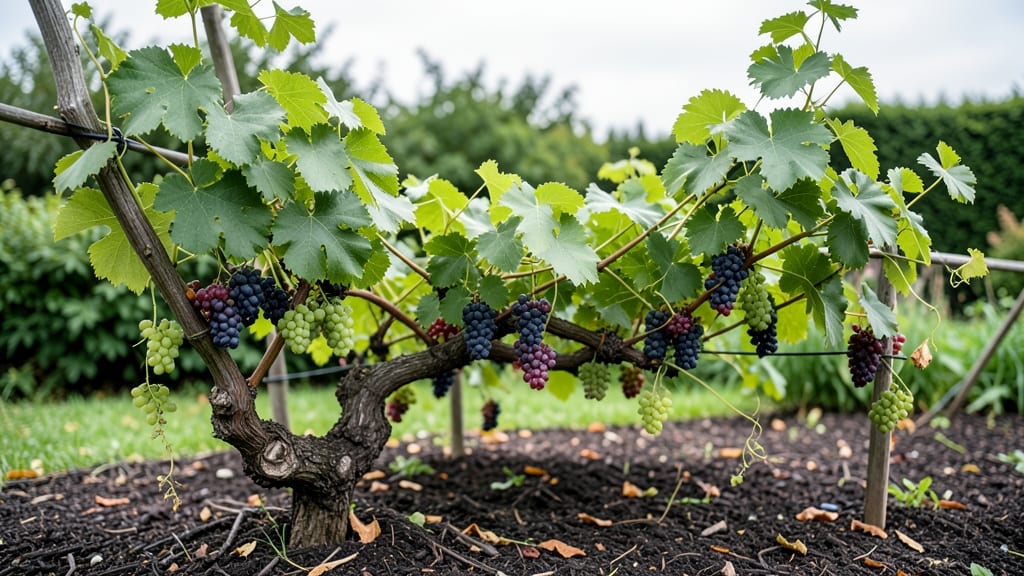
Growing fruit on the vine means summer harvests of juicy grapes, sweet kiwis, or crisp cucumbers—right from your backyard. 🌿 I’ve learned the hard way that cold-hardy varieties make all the difference, especially if you’re in Zones 4–7 where winters test even the toughest plants.
The secret? Choosing the right vines for your climate and giving them the support they need to thrive. Start with soil that drains well but holds moisture—think rich, loamy mix with compost. Most fruit vines crave 6+ hours of sun daily, but some, like muscadines, tolerate partial shade.
Trellises or sturdy fences keep vines organized and improve airflow, which cuts down on disease. I’ve seen vines flop into tangled messes when left unguided, and that’s a harvest killer. By late summer, you’ll be picking plump fruit that’s sweeter than anything from the store.
The key is patience—it takes 1–2 years for vines to establish before they produce heavily. Prune in late winter to shape growth and encourage fruit production, and watch as your yard transforms into a productive oasis. This works for grapes, kiwis, cucumbers, and even hardy tomatoes.
Whether you’re in a cold zone or a mild one, the right variety and a little care turn vines into your garden’s star performers.
📚 In This Guide
- What you need
- Instructions
- Tips and common mistakes
- Wrapping up and next steps
What you need
- ● Cold-hardy fruit vines: Choose varieties suited to your USDA zone (e.g., Concord grapes, Norton grapes, or hardy kiwi). Quantity: 2–4 vines (for trellis or arbor support).
- ● Age: 1–2-year-old bare-root plants (best survival rate!).
- ● Trellis or arbor: Sturdy metal, wood, or PVC frame (6–10 ft tall, depending on vine type).
- ● Well-draining soil: Mix compost (50% organic matter) into native soil for fertility.
- ● Mulch: 2–3 inches of straw or wood chips to insulate roots in winter.
- ● Drip irrigation or soaker hose: 10–15 ft length (for consistent moisture).
- ● Pruning shears: Sharp, bypass-style (for clean cuts).
- ● Frost cloth: 30–50 ft (for spring/frost protection).
- ● Gloves & long sleeves: Protect against thorns (especially on muscadine grapes!).
- ● Soil pH test kit: Aim for 5.5–6.5 (adjust with lime or sulfur if needed).
- ● Fertilizer: Balanced 10-10-10 or organic options like compost tea.
- ● Tie-downs: Soft garden twine or Velcro straps (to secure vines to trellis).
- ● Bird netting: 50 ft roll (to protect fruit from pests).
- ○ Heat mat (optional): For early spring planting in Zone 4–5.
Step-by-step guide to growing cold-hardy vine fruits
Here’s how to keep your vine fruits thriving through winter—no matter your zone.
🌱 Step 1: Choose the Right Varieties for Your Zone
Cold-hardy vine fruits like hardy kiwi, grapes, and winter-hardy raspberries need varieties bred for your specific zone. Zone 3-5 gardeners should opt for ‘Issai’ kiwi or ‘Concord’ grapes, while Zone 6-8 can handle ‘Arctic Kiwi’ or ‘Valiant’ grapes. Check your USDA zone and select varieties labeled for that range.
I always cross-reference with local nursery recommendations—some regions have microclimates that push zones higher or lower. For example, a sheltered south-facing wall can let you grow Zone 6 varieties in Zone 5. Plant labels often include cold tolerance ratings, so look for those under -15°F for extreme winters.
☀️ Step 2: Plant in the Perfect Spot
Vine fruits need 6-8 hours of sunlight daily and protection from harsh winter winds. A south- or west-facing wall works best—it captures winter sun while shielding from cold north winds. If planting in open ground, choose a site with natural windbreaks like a fence or hedge.
I dig a hole twice as wide as the root ball but only as deep—burying too deep can suffocate roots. Amend the soil with 2-3 inches of compost mixed into the bottom of the hole. For heavy clay soils, add a handful of sand to improve drainage. Mulch heavily with 4-6 inches of straw or wood chips after planting to insulate roots.
🪴 Step 3: Train and Protect Vines for Winter
After the first frost, prune vines back by one-third to encourage stronger growth in spring. For grapes, I use the fan-training method—spreading canes outward to maximize sun exposure. Wrap young vines in burlap or frost cloth once temperatures dip below 20°F to prevent freeze damage.
In Zone 3-4, mound soil around the base of the vine up to 6 inches high in late fall. This creates an insulating barrier that protects roots from extreme cold. Avoid plastic wraps—they trap moisture and can rot stems. Instead, use breathable materials like burlap or even old sweaters draped over the crown.
⏰ Step 4: Winter Care and Spring Prep
Check vines monthly during winter for signs of heaving (when soil freezes and expands, pushing roots out). If you see roots exposed, gently push soil back around them. In early spring, remove winter wraps but leave mulch in place until soil warms to 50°F—this prevents sudden temperature swings that shock new growth.
Here’s the thing—don’t prune until after the last frost. New growth is vulnerable to late frosts, so wait until all danger of frost has passed and leaves begin to swell. I always do a final pruning in late May to remove any dead or crossing branches, opening the center for better airflow and sunlight penetration.
💧 Step 5: Water and Fertilize Strategically
Water deeply once a week during the growing season, aiming for 1-1.5 inches of water per week. Drip irrigation works best—it delivers moisture directly to roots without wetting leaves, which reduces fungal diseases. In winter, cut back watering entirely unless the ground is bone-dry, but mulch helps retain moisture naturally.
Fertilize in early spring with a balanced 10-10-10 or 5-10-10 formula to encourage fruiting. I avoid high-nitrogen fertilizers—they promote leafy growth at the expense of fruit. Side-dress with compost in late summer to replenish nutrients for next year’s harvest. Always water after fertilizing to prevent root burn.
Tips & tricks for perfect cold-hardy vine fruit growth
These simple strategies will help you extend your vine fruits' life through even the harshest winters.
Variety Selection: Don't just rely on USDA zone labels—visit your local nursery and ask about microclimates in your area. For example, if you're in Zone 5 but have a sheltered south-facing wall, you might successfully grow Zone 6 varieties like 'Arctic Kiwi'. Always check plant tags for cold tolerance ratings below -15°F for extreme winter protection.
Sunlight Optimization: The 6-8 hours of daily sunlight requirement is non-negotiable, but you can maximize winter sun exposure by planting against south-facing walls or fences. If your site gets less than 6 hours, consider container growing where you can move plants to sunnier locations during winter months. Morning sun is particularly valuable as it helps dry dew quickly, reducing fungal risks.
Soil Preparation: When amending the planting hole with 2-3 inches of compost, mix it thoroughly with the existing soil—don't just create a compost pocket. For heavy clay soils, add sand gradually as you mix, aiming for about 1 part sand to 4 parts soil. This improves drainage while maintaining moisture retention. The mulch layer of 4-6 inches should be renewed annually to maintain its insulating properties.
Winter Protection: For the soil mound technique in Zones 3-4, use well-draining soil that won't compact when wet. I've found that mixing in some perlite or coarse sand helps maintain structure. When wrapping vines in burlap or frost cloth at 20°F, make sure to secure it loosely—too tight can restrict airflow and cause moisture buildup that leads to rot.
Pro Tips for Fruit On The Vine
- These simple strategies will help you extend your vine fruits' life through even the harshest winters.
- Variety Selection: Don't just rely on USDA zone labels—visit your local nursery and ask about microclimates in your a...
- Sunlight Optimization: The 6-8 hours of daily sunlight requirement is non-negotiable, but you can maximize winter sun...
Frequently asked questions
Got questions about growing fruit on the vine in cold climates? You’re not alone! Here are some of the most common queries—and their answers—to help you thrive, even in chilly zones.
What are the best cold-hardy fruit-on-the-vine varieties for Zone 5 and below?
Opt for hardy choices like Arctic Kiwi (actually a berry, but vine-hardy!), Hardy Kiwi (Actinidia arguta), Winter grape varieties (e.g., 'Concord' or 'Valiant'), or cold-tolerant muscadines. These survive down to -20°F (-29°C) with proper winter prep.
How do I protect fruit-on-the-vine plants from freezing in winter?
Start with mulching (4–6 inches of straw or leaves) around the base. Wrap young vines in burlap or frost cloth, and bury them under soil or mulch for extra insulation. For grapes, prune aggressively in late winter to reduce ice damage to canes.
Can I grow fruit on the vine in containers, and what’s the best setup?
Yes! Choose dwarf or semi-dwarf varieties (like 'Matua' kiwi or 'Black Monukka' grape) and use large, sturdy containers (15+ gallons) with drainage holes. Place them in south-facing spots for maximum sun, and move pots indoors or to a garage during hard freezes.
When should I harvest fruit on the vine in cold climates, and how do I know it’s ready?
Harvest timing varies by variety, but most cold-hardy grapes and kiwis ripen late summer to early fall. Test grapes by gently squeezing—they should feel plump but not mushy. For kiwis, wait until they’re soft to the touch and have a sweet aroma. Don’t wait too long! Late frosts can ruin unharvested fruit.
Why are my fruit-on-the-vine leaves yellowing, and how do I fix it?
Yellow leaves often signal nutrient deficiency (common in cold soils) or overwatering. Test your soil and amend with compost or balanced fertilizer (high in nitrogen for new growth). Ensure pots/containers drain well, and avoid soggy roots. Pests like spider mites can also cause yellowing—spray with neem oil if needed.
Wrapping up and next steps
Growing fruit on the vine in cold climates isn’t just possible—it’s rewarding! With the right cold-hardy varieties and smart survival strategies, you can enjoy fresh, homegrown fruit even in tough zones. Whether you’re tackling frost, short seasons, or unpredictable weather, these tips ensure your vines thrive and produce abundantly.
Now that you’re armed with knowledge, take the next step! Start small with a resilient variety like cold-hardy grapes or arctic kiwi, and watch your garden flourish. Happy growing—your future harvests are waiting! 🌱🍇