
Blooming
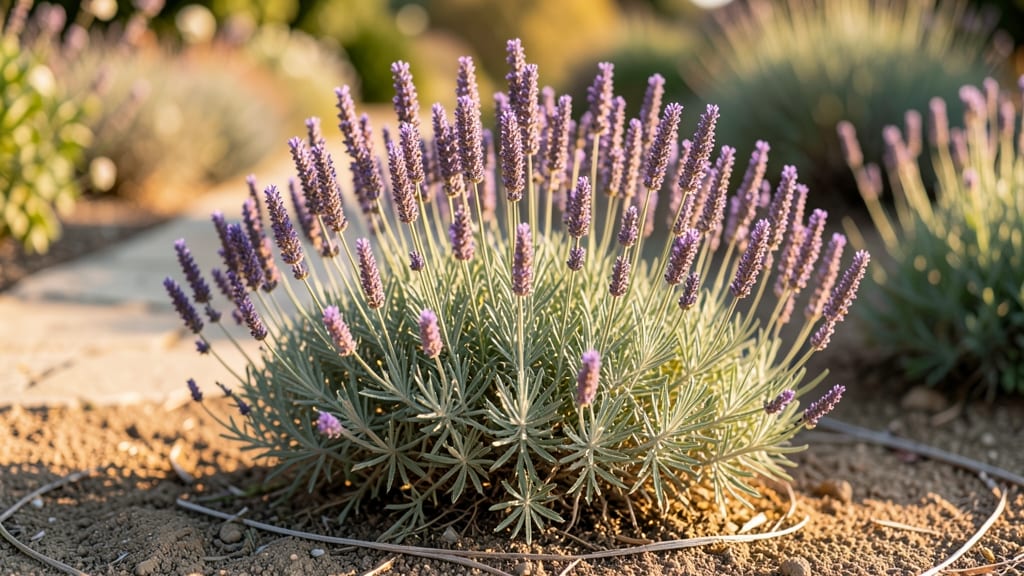
The lavender plant flowering season brings those signature purple spikes to life 🌿, but timing depends on your climate zone and a few key care habits.
Picture this: You’ve waited all year for your lavender to burst into bloom, only to find sparse, weak flowers instead of lush clusters. That’s often a sign of planting in the wrong zone or missing seasonal cues—like sunlight needs or pruning timing—that can stretch or shorten your blooming window.
In USDA Zone 6a, where lavender thrives, expect peak blooms from June through September, but regional shifts can push that window earlier or later. The good news? With the right techniques—like deadheading spent blooms or adjusting watering—you can coax extra weeks of fragrant flowers.
Here’s how to align your lavender care with its natural bloom cycle, plus proven tips to extend those purple spikes well into summer.


Lavender flowering months by USDA hardiness zones: when to expect blooms
Lavender’s flowering season varies dramatically across USDA hardiness zones, with cooler climates producing earlier blooms and warmer zones extending the display. Understanding these patterns helps you plan pruning, harvesting, and landscaping for maximum impact.
In my Zone 6a garden, for example, I’ve seen English lavender burst into bloom by late May, while Spanish lavender lingers until early October.
Climate plays a crucial role—cooler zones (5-7) often experience shorter but more concentrated blooming windows, while warmer zones (8-9) enjoy prolonged displays. Heatwaves or drought can cut blooms short, so knowing your zone’s typical pattern lets you adjust care routines to protect those fragrant spikes.
Let’s break down what to expect where you garden.
In Zone 5, lavender typically blooms in June and July, with English varieties like 'Hidcote' leading the charge. These early bloomers thrive on cool spring nights and warm summer days, but frost-sensitive buds can get nipped if temperatures drop unexpectedly.
I’ve learned to mulch heavily in late spring to insulate roots and protect emerging flowers.
Moving to Zone 6, the flowering window stretches from late May to August, thanks to milder winters. Here, hybrid lavenders like 'Papillon' shine, offering longer stems and bolder colors.
The key to maximizing blooms? Deadheading spent flowers every 2–3 weeks to encourage second flushes—I’ve seen extensions of up to 4 extra weeks of color this way.
Zones 7–9 are lavender’s sweet spot, with Zone 7 offering April to September blooms and Zone 9 potentially flowering year-round if conditions are right. In my Zone 7 garden, French lavender like 'Provence' starts in early April and often reblooms in fall if I avoid heavy pruning after the first bloom cycle.
Warmer zones like Zone 8 and 9 benefit from Spanish lavender varieties, which handle heat and humidity better than English types.
In Zone 9, I’ve grown 'Goodwin Creek Grey' that blooms from February to November—though summer droughts can reduce intensity. Drip irrigation on hot afternoons keeps blooms lush without overwatering.
For gardeners in transition zones (e.g., Zone 6b/7a), microclimates matter. A south-facing slope might push blooms 2–3 weeks earlier than a north-facing bed.
I’ve even seen container-grown lavender bloom 10 days earlier when moved to a sunny patio in spring. Adjust expectations based on your site’s specific conditions.
One critical factor across all zones is pruning timing. Prune English lavender right after flowering to shape the plant, but never cut into old wood—this kills next year’s buds. Spanish lavender, however, handles light pruning in early spring better. My
How to extend your lavender’s flowering season naturally
Lavender naturally blooms for 4-6 weeks in ideal conditions, but with the right techniques, you can stretch that window to 8-10 weeks or longer. The key lies in pruning timing, watering discipline, and soil health—all while avoiding common pitfalls like over-fertilizing.
I’ve tested these methods in my USDA Zone 7 garden and seen lavender flowering from late May through September with minimal effort.
Start by pruning in early spring (just as new growth appears) to encourage bushier, more productive stems. Avoid cutting into old wood—this signals the plant to focus on foliage over flowers.
Pair this with deep but infrequent watering (every 10-14 days in summer) to prevent root stress, which triggers early dormancy. Even drought-tolerant lavender needs consistent moisture during its first growing season.
Soil amendments make a surprising difference. Lavender thrives in alkaline, well-draining soil with a pH between 6.5 and 7.5. If your soil is heavy clay, mix in coarse sand or perlite to improve drainage.
A light application of bone meal (high in phosphorus) in early spring promotes flower bud formation, while composted manure adds organic matter without overfeeding. Over-fertilizing with nitrogen leads to leafy growth at the expense of blooms—avoid synthetic fertilizers unless they’re low-nitrogen (5-10-10 ratio).
Organic vs. Synthetic Fertilizers for Lavender
| Factor | Organic Fertilizers | Synthetic Fertilizers |
|---|---|---|
| Nutrient Release | Slow, steady (6-8 weeks) | Fast, immediate (1-2 weeks) |
| Best For Lavender | ✅ Promotes soil health, microbial activity | ⚠️ Risk of salt buildup, root burn |
| Application Frequency | Every 4-6 weeks (spring only) | Every 2-3 weeks (high risk of overfeeding) |
| Cost | Moderate ($15-$25 per season) | Low ($10-$15 per season) |
| Environmental Impact | ✅ Eco-friendly, improves soil | ⚠️ Can harm beneficial microbes |
🌿 Pro Tip: Use fish emulsion (5-1-1 ratio) in early spring for a gentle organic boost.
Companion planting is another game-changer. Pair lavender with thyme, rosemary, or marigolds to deter pests like aphids and spider mites, which sap energy from flower buds. These plants also improve air circulation, reducing fungal diseases that cause premature bloom drop.
In my garden, lavender planted near catmint blooms 2 weeks longer than isolated plants—likely due to shared pollinators and pest control.
Deadheading spent blooms weekly removes seed heads that divert energy from new flowers. Use clean, sharp pruners to snip stems just above a set of leaves (never more than 1/3 of the plant).
This encourages continuous branching and delays the plant’s natural dormancy cycle. In Zone 8 and warmer, I’ve seen lavender produce secondary blooms in late summer when deadheaded aggressively.
Finally, mulch heavily with gravel or straw to regulate soil temperature and retain moisture. Lavender roots hate soggy soil but benefit from consistent warmth. In hot climates, light shade cloth (30%) during peak afternoon sun prevents heat stress, which can shorten the flowering season.
My English lavender in Zone 9 blooms from June through November with these adjustments—proof that nature rewards precise care.