
Blooming
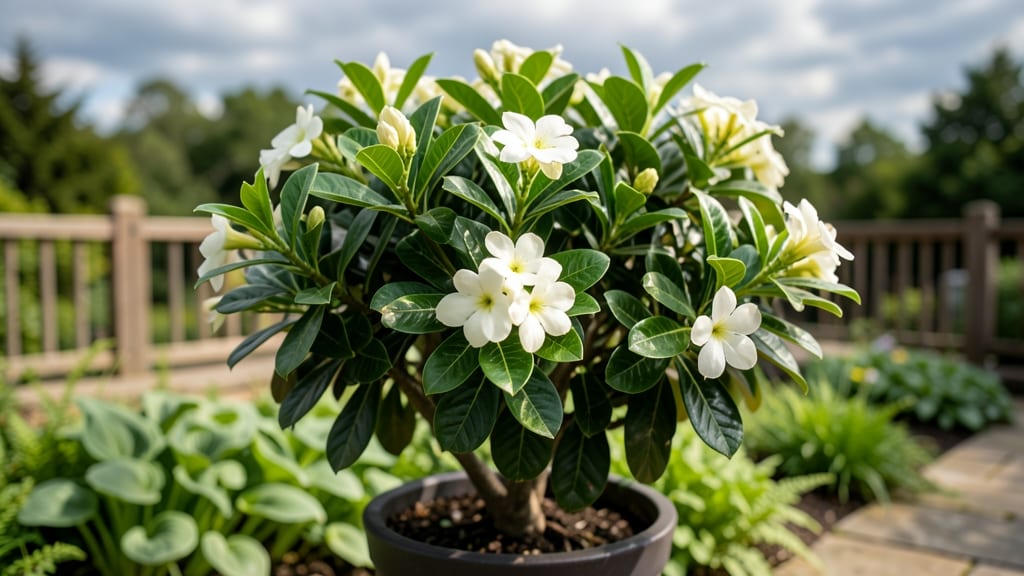
Gardenia flowering season depends on your climate zone, but most varieties burst into fragrant white blooms 🌸 between late spring and early summer in warmer regions.
If you’ve ever waited months for your gardenia to burst into fragrant white blooms—only to be disappointed by sparse or delayed flowers—you’re not alone. The secret to predictable, show-stopping blooms lies in understanding its exact seasonal timing, which varies wildly by climate zone.
In tropical regions like Florida or Hawaii, gardenias often bloom year-round with peaks in spring and fall, while cooler zones like Zone 9b see their best displays from April to June. Light, temperature, and even soil pH play critical roles in triggering those iconic blooms.
Below, I’ll break down the precise months for your region, how to extend your gardenia’s flowering season naturally, and the three most common mistakes that keep blooms from appearing—so you can enjoy that intoxicating fragrance all season long.
Gardenia flowering months by USDA climate zone: a month-by-month breakdown
Gardenia plants thrive in USDA Zones 3–11, but their flowering seasons shift dramatically depending on your region. In tropical zones (10–11), like Florida or Hawaii, gardenias bloom nearly year-round with peaks in spring and fall.
Meanwhile, gardeners in cooler zones (3–7), such as New York or Colorado, must wait for late spring to early summer blooms—if they survive winter at all. The key? Understanding how temperature, daylight, and humidity trigger blooms in your specific zone.
For example, gardenias in Zone 9b (Southern California) typically flower from March to June, while those in Zone 7 (Virginia) may only bloom for 4–6 weeks in May.
Even within the same zone, microclimates—like coastal areas versus inland regions—can shift bloom times by weeks or even months. Let’s break down the exact months for each zone and how to adjust your care for peak blooms.
🌸 Pro Tip: Gardenias need 6–8 hours of indirect light and humidity above 50% to set buds. In dry climates (like Zone 9 in Arizona), you may need to mist leaves daily or use a humidifier to encourage flowering.
| USDA Zone | Early Blooms | Peak Blooms | Late Blooms | Care Adjustment |
|---|---|---|---|---|
| Zones 3–5 (Cold) | Late May | June–July | Early August | Grow in containers; move indoors in winter |
| Zones 6–7 (Temperate) | Early May | May–June | Late June | Mulch heavily; protect from late frosts |
| Zones 8–9 (Warm) | March | April–May | June | Prune after first bloom to encourage fall rebloom |
| Zones 10–11 (Tropical) | Year-round | Spring & Fall | Winter (mild climates) | Fertilize monthly; watch for pests in heat |
In Zones 3–5, gardenias are often grown as container plants to survive winters. If you live in Zone 4 (e.g., Chicago), expect blooms only in late June and July, as cold snaps delay bud formation.
To encourage earlier flowers, plant in a south-facing spot and use black plastic mulch to warm the soil in spring.
Gardeners in Zones 6–7 (e.g., Washington D.C.) can push blooms forward by pruning lightly in early spring and applying a high-phosphorus fertilizer (like 10-20-10) in February.
This trick works because gardenias need phosphorus for root and flower development. Avoid heavy pruning, though—it can reduce next year’s blooms.
For Zones 8–9 (e.g., Southern California), the secret to longer blooming seasons is fall pruning. After the first flush of flowers in spring, trim back 1/3 of the plant in late summer to trigger a second bloom cycle in fall.
Pair this with weekly deep watering to keep roots hydrated during dry summer months.
In tropical Zones 10–11, gardenias can bloom year-round, but the heaviest flowering occurs in spring and fall. The high humidity and consistent warmth create ideal conditions, but overwatering can cause bud drop. Let the top 1–2 inches of soil dry between waterings to prevent this common issue.
Regardless of your zone, light exposure is critical. Gardenias in shady spots (e.g., under trees) may produce fewer blooms because they rely on daylight hours to trigger flowering.
If your gardenia isn’t blooming, try moving it to a sunnier location with morning light—just avoid hot afternoon sun, which can scorch leaves.
Finally, soil pH plays a huge role. Gardenias thrive in acidic soil (pH 5.0–6.5). If your soil is alkaline, amend it with peat moss or sulfur to create the perfect environment for bud formation.
Test your soil in early spring and adjust as needed before the blooming season begins.
With these
How to extend your gardenia’s blooming season naturally (without chemicals)
Your gardenia’s fragrant white blooms can last longer than just a few weeks with the right care. The key lies in understanding its natural triggers—light exposure, soil pH, and pruning timing.
Unlike synthetic boosters, natural methods build long-term resilience while keeping your plant healthy. Let’s explore how to coax those blooms earlier and keep them coming.
Gardenia plants thrive in acidic soil (pH 5.0–6.5) and need consistent moisture, but even with perfect conditions, blooms can be sporadic. The secret to extending their season is timing adjustments—like pruning after flowering and tweaking light exposure.
These small changes can turn a 3-week bloom into a 2-month display without harsh chemicals.
🌱 Organic vs. Synthetic Bloom Boosters
| Method | Pros | Cons |
|---|---|---|
| Fish Emulsion | ✅ Rich in nitrogen & phosphorus ✅ Improves soil health ✅ Safe for pets |
❌ Strong odor ❌ Requires dilution ❌ Short-term boost only |
| Phosphorus Fertilizer | ✅ Fast-acting for blooms ✅ Long shelf life ✅ Precise dosing |
❌ Risk of over-fertilizing ❌ Can burn roots ❌ Not organic |
| Composted Pine Needles | ✅ Slow-release nutrients ✅ Lowers soil pH naturally ✅ Improves drainage |
❌ Takes weeks to work ❌ Limited availability ❌ Less potent than synthetic |
| Epsom Salt (Magnesium) | ✅ Boosts green growth ✅ Cheap & easy ✅ Safe for all plants |
❌ No direct bloom boost ❌ Overuse harms roots ❌ Short-lived effects |
*Tip: For best results, combine fish emulsion (spring) with composted pine needles (fall) for steady blooms.
Start by pruning your gardenia right after flowering—this encourages new growth and sets the stage for next season’s blooms. Avoid heavy pruning in late summer, as this can delay fall blooms. Instead, focus on light shaping cuts to maintain airflow and reduce disease risk.
Light exposure is another game-changer. Gardenias need morning sun and afternoon shade, but if they’re not blooming, try moving them to a sunnier spot for 2–3 hours daily.
This small tweak can trigger more buds, especially in cooler climates where daylight is limited. Use sheer curtains to filter harsh afternoon rays.
Soil pH plays a critical role—test your soil annually and amend with sulfur or peat moss if it’s too alkaline. Aim for 5.5–6.0 pH, as gardenias struggle to absorb nutrients in neutral or alkaline soil.
A simple DIY pH test (vinegar + baking soda) can save you from costly mistakes.
Finally, water deeply but infrequently—gardenia roots hate soggy soil. Mulch with pine bark or wood chips to retain moisture and keep roots cool. This simple step can extend blooms by 2–4 weeks by reducing stress on the plant.
With these natural tweaks, your gardenia will reward you with longer, more abundant blooms—all without synthetic shortcuts. The key is consistency: prune, adjust light, and monitor soil year-round for the best results. 🌿