
Blooming
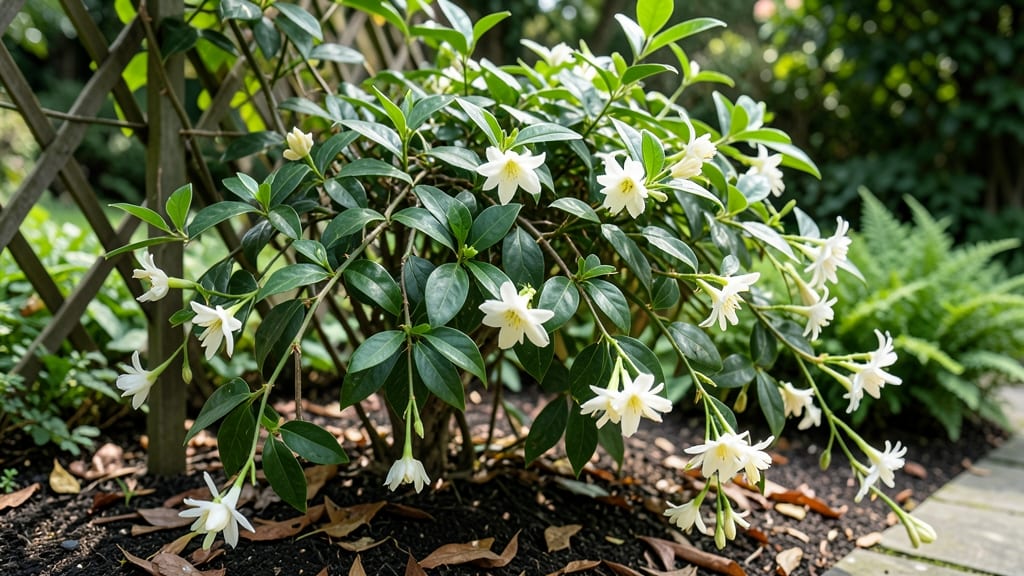
The jasmine plant flowering season is all about timing—get it right, and your garden will burst with intoxicating fragrance; miss it, and you might end up with sparse blooms or none at all.
Imagine waking up to the intoxicating scent of jasmine 🌸 drifting through your garden—only to wonder why your plant isn’t blooming as abundantly as last year. The secret lies in understanding its flowering season and mastering the art of strategic pruning.
Most jasmine varieties bloom in late spring or summer, but the exact timing depends on your climate zone, the type of jasmine you’re growing, and how you care for it.
Whether you’re dealing with the delicate Arabian jasmine or the hardy star jasmine, knowing when to expect those fragrant blooms—and how to encourage them—can make all the difference.
In this guide, I’ll break down the best months for jasmine flowers, how to adjust your pruning schedule for next year’s blooms, and pro tips to extend your jasmine’s flowering season so you can enjoy its sweet aroma for months.


Jasmine flowering season: months, climate zones, and varietal differences
If you've ever wondered why your jasmine plant blooms at different times each year, the answer lies in its variety and your climate zone.
Unlike many flowers that bloom once annually, jasmine offers seasonal diversity—some varieties burst into bloom in spring, while others wait for summer's warmth. Understanding these patterns helps you plan for fragrant displays and proper care.
The USDA climate zones 7-11 dramatically influence when your jasmine will flower. In warmer zones (9-11), jasmine may bloom year-round with minimal dormancy, while cooler zones (7-8) often see concentrated blooming in late spring or early summer. Even within the same zone, microclimates can shift bloom times by weeks.
Here's the key difference: Arabian jasmine (Jasminum sambac) typically flowers in late spring to early summer, while star jasmine (Trachelospermum jasminoides) often blooms in late spring to early fall. Even within these categories, local weather patterns can push blooms earlier or later by weeks.
| Jasmine Type | Primary Bloom Season | USDA Zones | Bloom Duration | Fragrance Peak |
|---|---|---|---|---|
| Arabian Jasmine (Jasminum sambac) | Late Spring - Early Summer | 9-11 (Year-round in 10-11) | 4-6 weeks | Evening to Night |
| Star Jasmine (Trachelospermum jasminoides) | Late Spring - Early Fall | 7-11 | 8-10 weeks | Morning to Afternoon |
| Winter Jasmine (Jasminum nudiflorum) | Late Winter - Early Spring | 5-9 | 3-4 weeks | Daylight Hours |
| Primrose Jasmine (Jasminum mesnyi) | Spring (March-April) | 7-10 | 3-5 weeks | Morning |
| Pink Jasmine (Jasminum officinale) | Summer (June-August) | 6-10 | 6-8 weeks | Afternoon |
Note: Bloom times shift 2-4 weeks earlier in southern zones vs northern edges of each range
In USDA zone 7, your star jasmine might start flowering in May and continue through July, while in zone 10, the same variety could bloom from March to October. This zone-based timing explains why neighbors with identical plants may experience blooms weeks apart.
To identify your jasmine's specific flowering window, observe these visual cues: Arabian jasmine produces highly fragrant, white tubular flowers clustered in groups, while star jasmine features smaller, star-shaped blooms with a milder scent. Winter jasmine stands out with its bright yellow flowers appearing before leaves emerge.
Did you know your jasmine's first flush of blooms often appears after 60-90 days of consistent warmth? This explains why spring-planted jasmine in cooler zones may not bloom until its second year. Patience pays off—your plant builds root systems and energy reserves before dedicating resources to flowers.
For gardeners in transition zones (8-9), I recommend planting both Arabian and star jasmine varieties. This creates a staggered bloom effect: as one variety finishes, another begins. You'll enjoy continuous fragrance from late spring through early fall—a gardener's dream scenario.
Pro tip: Keep a bloom journal for 3 years to track your jasmine's patterns. Note first bloom dates, peak fragrance periods, and any environmental triggers (like heavy rains or heatwaves) that affect flowering. This personalized data becomes your jasmine care bible over time.
Remember that container-grown jasmine often blooms 2-4 weeks later than in-ground plants due to root temperature differences. If your patio jasmine lags behind your garden variety, consider moving it to a sheltered location with warmer soil to encourage earlier blooms.
When and how to prune jasmine for maximum blooms next season
Timing your jasmine pruning correctly is the key to unlocking next year’s fragrant blooms. Most varieties flower on new wood, meaning spring growth leads to summer blooms. But prune at the wrong time, and you might sacrifice those intoxicating jasmine flowers you love.
The best time depends on your plant’s flowering season—whether it blooms in spring or summer.
For spring-blooming jasmine (like Arabian jasmine), prune right after flowering ends. Summer-bloomers (like star jasmine) should be pruned in late winter or early spring before buds swell. This timing ensures you’re shaping growth that will produce next season’s jasmine flowers.
Pruning jasmine plants after June 1st risks removing next year’s flower buds. Summer-blooming varieties need 6-8 weeks of warm weather to set buds. If you prune too late, you’ll see fewer blooms or none at all next season.
✅ Do: Prune spring-bloomers after flowers fade (late spring). Prune summer-bloomers in late winter before buds swell.
❌ Don’t: Prune after mid-summer—this cuts off next year’s flowering potential.
Start by gathering your tools: sharp bypass pruners for clean cuts, gloves to protect from thorns, and disinfectant to prevent disease spread. Remove any dead or diseased branches first—they sap energy from your plant.
Next, cut back overcrowded growth to improve airflow, which reduces fungal risks and encourages healthier blooms.
For shaping jasmine vines, trim back one-third of the oldest growth to promote new, vigorous shoots. Look for woody stems—these are older and less productive. Cut just above a leaf node or outward-facing bud to guide growth where you want it.
This technique works especially well for star jasmine, which benefits from rejuvenation pruning every few years.
Don’t forget deadheading! Pinch off spent jasmine flowers throughout the season to redirect energy into new blooms. This simple step can double your plant’s fragrance output by encouraging continuous flowering. For heavy bloomers, consider a light pruning in early summer to shape growth without sacrificing next year’s buds.
After pruning, give your jasmine a balanced fertilizer (like 10-10-10) to support new growth. Water deeply but avoid overwatering, which can cause root rot. With the right cuts and care, your jasmine will reward you with abundant, fragrant blooms next season—just in time for your morning garden stroll. 🌿