
Flowers
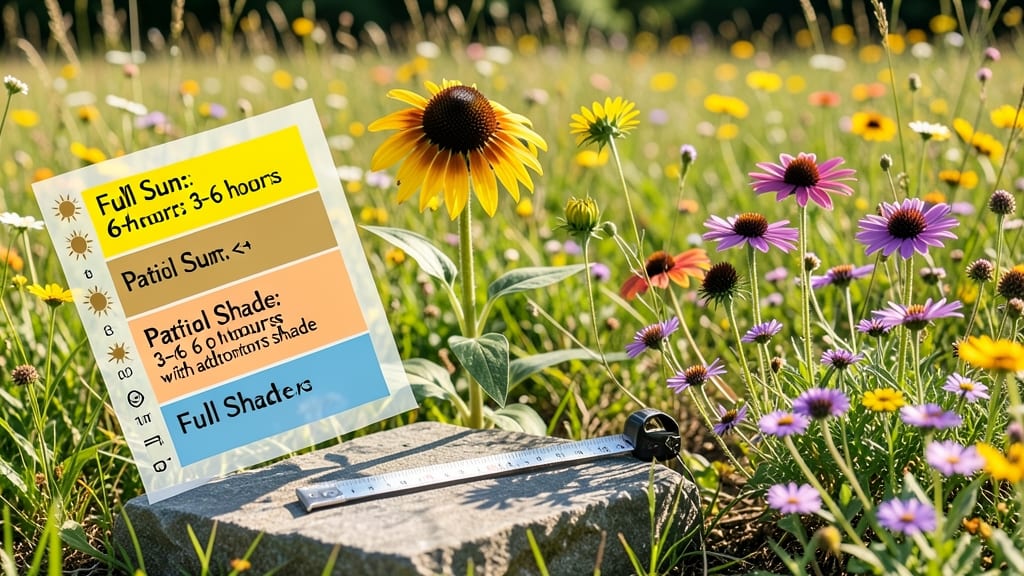
Wildflowers need how much sun do wildflowers need between 3 and 6 hours of sunlight daily, though many varieties thrive with 6+ hours—the difference between a wildflower meadow and a sad, leggy disappointment.
Picture this: you’ve spent hours scattering seeds, dreaming of a burst of 🌼 color, only to watch them stretch toward the sky like they’re reaching for something they can’t quite find. That’s the light problem—and it’s easier to fix than you think.
Not all wildflowers are created equal. Some, like black-eyed Susans, demand full sun, while others, such as bluebells, can handle partial shade. The trick is matching your garden’s sunlight to the right species, and I’ll show you how to do it without guessing.
In this guide, you’ll learn which wildflowers crave sunlight, how to measure your garden’s light, and the common mistakes that turn vibrant blooms into flops. Let’s get your wildflowers the light they deserve.

Wildflower sunlight requirements by type: full sun vs. partial shade needs
Wildflowers thrive when planted in the right light conditions, but their needs vary dramatically. Some sun-loving varieties wilt in shade, while others struggle in intense afternoon heat. Knowing the difference ensures your garden blooms beautifully year after year.
Let's break down the sunlight requirements by wildflower type to help you make the best choices for your space.
Most wildflowers fall into three categories based on their sunlight needs: full sun (6+ hours of direct light), partial shade (3-6 hours), and shade-tolerant (less than 3 hours).
Understanding these categories helps you avoid common mistakes like planting black-eyed Susans in deep shade or columbines in scorching sun. Let's explore the specifics with real-world examples.
Here's a quick comparison of popular wildflowers and their ideal light conditions. This table will help you visualize which varieties thrive in your garden's available sunlight.
| Wildflower Type | Sunlight Needs | Ideal Hours of Sun | Best For |
|---|---|---|---|
| Black-eyed Susan | Full Sun | 6+ hours | Dry, sunny meadows |
| Coneflower (Echinacea) | Full Sun | 6+ hours | Prairie gardens |
| Blanket Flower (Gaillardia) | Full Sun to Partial Shade | 4-6 hours | Rock gardens, borders |
| Asters | Partial Shade | 3-5 hours | Woodland edges |
| Columbine | Partial Shade to Shade | 2-4 hours | Shady borders, under trees |
| Foxglove | Partial Shade | 3-4 hours | Moist, shaded areas |
| Lungwort (Pulmonaria) | Shade | Less than 3 hours | Woodland gardens |
| Bee Balm (Monarda) | Full Sun to Partial Shade | 4-6 hours | Pollinator gardens |
For full sun wildflowers, aim for at least 6 hours of direct sunlight daily. Varieties like black-eyed Susans and coneflowers thrive in open, sunny meadows and are perfect for xeric landscapes or drought-prone areas.
These plants often have deep roots that help them access water deep underground, making them ideal for low-maintenance gardens. If you're unsure about sunlight hours, use a sunlight tracker or observe your garden from morning to evening.
Wildflowers that prefer partial shade, such as asters and bee balm, need 3-6 hours of sunlight but can tolerate some afternoon shade. These varieties are excellent choices for woodland gardens or areas where tree canopies filter sunlight.
Partial shade plants often have more delicate foliage, so they benefit from the cooler temperatures and reduced UV exposure that shade provides.
If your garden has deep shade conditions, consider shade-tolerant wildflowers like columbine or lungwort. These plants thrive with less than 3 hours of direct sunlight and are perfect for woodland gardens or north-facing areas.
Shade-loving wildflowers often have unique foliage and flowers that add texture and interest to darker corners of your garden. Pair them with hostas or ferns for a lush, layered look.
To measure sunlight in your garden, use a simple sunlight mapping technique. Place a stake in your garden and mark the hours of direct sunlight it receives throughout the day.
Repeat this in different areas to create a sunlight map of your property. This will help you determine which wildflowers will thrive in each location. Remember,
How climate Zones affect wildflower sunlight needs (USDA Zones 3-10)
Climate zones dramatically impact how much sunlight wildflowers need to thrive. In drier regions like Zones 4-7, intense sun can stress plants without proper moisture, while humid coastal areas (Zones 8-10) often require wind-resistant varieties that still need bright light.
Understanding these regional differences helps you choose the right wildflowers for your garden's microclimate.
For example, black-eyed Susans flourish in full sun (6+ hours) across most zones, but in Zone 9's heat, they may need afternoon shade. Meanwhile, columbines—natives to cooler Zones 3-6—thrive in partial shade (3-6 hours) where summers are less intense.
Let's break down how to match wildflowers to your climate zone's unique conditions.
🌱 Key factors to consider: temperature extremes, rainfall patterns, and soil moisture retention. For instance, Zone 3's short growing season means wildflowers must bloom quickly in available sunlight, while Zone 10's year-round warmth allows for longer flowering periods with adjusted light needs.
In drought-prone Zones 5-7, opt for native wildflowers like purple coneflower or butterfly weed, which have deep roots to access moisture and tolerate full sun exposure. These varieties often have silvery or fuzzy foliage to reflect excess heat, making them perfect for hot, dry climates.
Conversely, coastal Zones 8-10 benefit from wind-resistant wildflowers like seaside daisies or beach morning glories, which thrive in partial shade to prevent leaf scorch. The high humidity in these areas means shade-tolerant varieties can handle less direct sunlight without stress.
Pro tip: Use mulch in hot zones to retain moisture and reduce sunlight intensity near plant bases. In cooler zones, reflective surfaces like light-colored gravel can amplify sunlight during short growing seasons.
Always match your wildflowers to your microclimate—not just the general zone—to ensure vibrant blooms all season long. 🌻