
Flowers
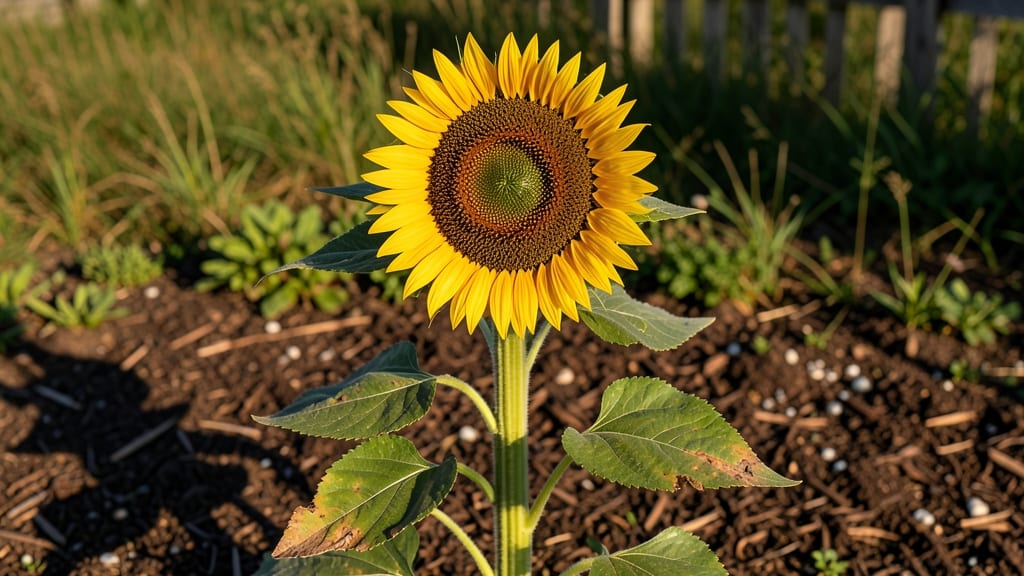
Sunflowers need full sun to reach their towering heights and vibrant blooms, but how much sunlight is actually enough to keep them thriving?
If you’ve ever planted sunflowers 🌻 only to watch them stretch toward the sky with pale, leggy stems or fail to produce those iconic golden faces, you’re not alone. The truth is, sunflowers are sun-lovers, but their needs can vary depending on the variety and your growing conditions.
In this guide, I’ll break down the ideal sunlight requirements for sunflowers—whether you’re growing the classic 12-foot giants or compact dwarf varieties—and share practical tips to maximize their growth, even if your garden doesn’t get full sun all day.
You’ll learn how to assess your garden’s sunlight, spot signs of light deprivation, and even discover which sunflower types can handle a little less sun. Let’s get those blooms shining bright!

How much sun do sunflowers Actually Need for Optimal Growth?
Sunflowers are the poster children of full-sun gardens, but their exact light needs often get oversimplified. While they thrive in bright, direct sunlight, not all varieties demand the same intensity.
Understanding the sunlight spectrum for sunflowers—from minimum thresholds to peak performance zones—can mean the difference between vibrant blooms and leggy, underwhelming stems. Let’s break down the science and practical tips to get your sunflowers basking in the right amount of light.
Botanists classify sunflowers (Helianthus annuus) as heliotropic plants, meaning they follow the sun’s movement during early growth stages. This behavior isn’t just charming—it’s a biological cue that their roots need intense light exposure to fuel rapid growth.
The minimum sunlight threshold for sunflowers is 6 hours of direct sun daily, but most gardeners agree that 8+ hours yields the tallest stems and largest blooms.
Without enough light, sunflowers will stretch toward any available source, creating weak, floppy stems that struggle to support their heavy flower heads.
| Sunflower Variety | Ideal Sunlight Range | Mature Height | Notes on Light Tolerance |
|---|---|---|---|
| Standard (e.g., 'Mammoth', 'Russian Giant') | 8–12 hours | 10–16 ft | Demand full sun; 6+ hours causes stunted growth |
| Semi-Dwarf (e.g., 'ProCut', 'Autumn Beauty') | 6–8 hours | 3–6 ft | Tolerate partial sun but bloom best in full sun |
| Dwarf (e.g., 'Teddy Bear', 'Moulin Rouge') | 4–6 hours | 1–3 ft | Best for partial shade; ideal for containers |
| Wild-Type (e.g., 'Autumn Beauty') | 6–10 hours | 5–8 ft | Adaptable; tolerate heat better than hybrids |
Not all sunflowers are created equal when it comes to light. Standard varieties, like 'Mammoth' or 'Russian Giant,' are the most demanding, requiring 8–12 hours of direct sun to reach their 10–16-foot heights.
These giants need unobstructed sunlight from morning until early evening to prevent stem weakness and poor flowering. In contrast, dwarf varieties like 'Teddy Bear' or 'Moulin Rouge' can thrive with as little as 4–6 hours of sun, making them perfect for containers, patios, or partial-shade gardens.
If you’re growing sunflowers in containers or urban spaces, aim for a south-facing location to maximize sunlight exposure. Even in full-sun spots, afternoon shade can help prevent heat stress, especially in hot climates.
A trick I use is to place reflective surfaces—like white gravel or mirrors—near the base of the plants to bounce extra light onto their leaves. This can boost photosynthesis by up to 20%, even in slightly shadier conditions.
One common misconception is that sunflowers will automatically adapt to less light. While they may survive with 4–6 hours of sun, their growth will be stunted, and blooms will be smaller and fewer.
For example, a 'Russian Giant' sunflower in partial shade might only reach 6 feet tall instead of its potential 14 feet, with half the usual flower heads. The trade-off? Dwarf varieties in partial sun will still produce bright, cheerful blooms, just on a smaller scale.
Seasonal sunlight changes also play a role. In spring and fall, when days are
Signs your sunflowers aren’t getting enough sun (and how to fix it)
Sunflowers are the divas of the garden—they demand attention, especially when it comes to sunlight. If your sunflowers are looking sad with leggy stems or fewer blooms than expected, they might be begging for more light.
Even 6-8 hours of full sun can make the difference between a thriving giant and a struggling sapling. Let’s diagnose the problem and fix it before your sunflowers give up entirely.
One of the first red flags is yellowing leaves, often starting from the bottom.
This isn’t just a sign of poor light—it’s your sunflower’s way of saying, "I’m stretching too hard to reach the sun!" You might also notice thin, weak stems that can’t support the weight of blooms, or small, sparse flowers that lack the vibrant color they’re known for.
These are all classic symptoms of light deprivation.
⚠️ callout warning
Sunflowers cannot adapt to low-light conditions once planted. If your plants are already struggling, relocate them immediately to a sunnier spot or prepare to replant in spring. Moving them later in the season often causes root stress and reduced blooming. For containers, choose a south-facing windowsill or use reflective surfaces like white walls to bounce extra light onto your plants.
If you’re dealing with partial shade, consider companion planting with taller plants like corn or beans to create a natural windbreak and indirect light boost. For containers, opt for dwarf varieties like 'Teddy Bear', which tolerate 4-6 hours of sun better than their towering cousins.
Even then, rotate pots weekly to ensure even light exposure on all sides.
Seasonal adjustments can also help. In early spring or late summer, when sunlight is less intense, supplement with a grow light for 4-6 hours daily. Place it 12-18 inches above your plants to mimic natural light without scorching leaves.
For garden beds, remove nearby trees or structures that cast shade, even if it means pruning branches temporarily.
Don’t forget to check your soil—compacted or waterlogged soil can mimic light deprivation by starving roots of oxygen. Amend with compost or perlite to improve drainage, and mulch with straw or wood chips to retain moisture without smothering the plant.
A happy root system means your sunflower can focus energy on reaching for that glorious sunlight.
With these fixes, your sunflowers should start perking up within 2-3 weeks. Keep an eye on their progress, and soon you’ll be rewarded with bold blooms and towering stems that’ll be the envy of the neighborhood.
Just remember: sunflowers don’t compromise—they either get the light or they throw a tantrum (literally, by wilting). 🌻