
Vegetables
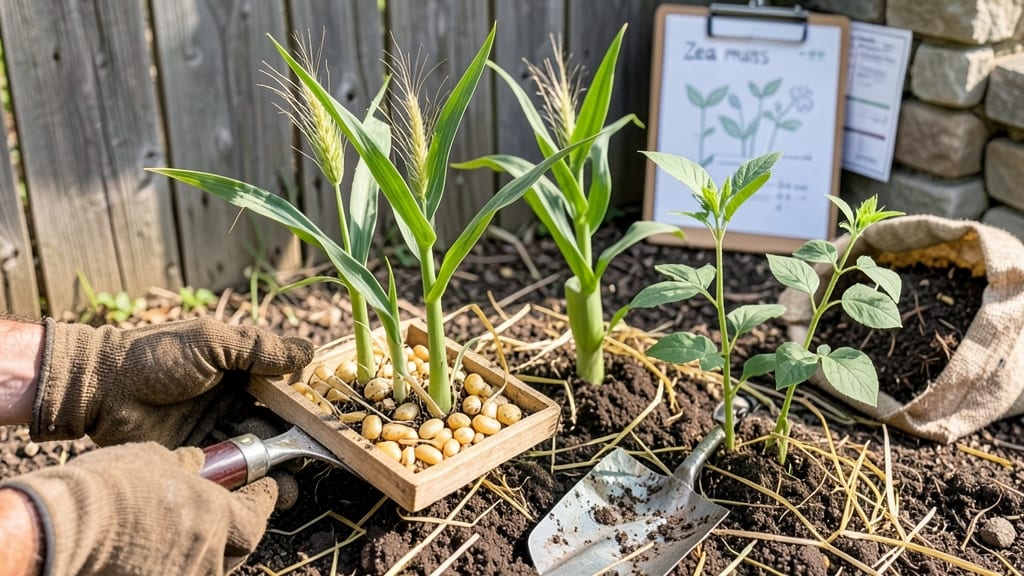
Planting beans and corn together isn't just a gardening trick—it's a science-backed way to boost your harvest while saving space. 🌽 I learned the hard way that these two crops thrive when paired correctly, with beans fixing nitrogen in the soil while corn provides shade and support for climbing varieties.
The right spacing and timing can turn a modest garden into a high-yielding powerhouse, even in small plots.
You'll need well-draining soil amended with compost, 3-4 feet of space between corn rows, and beans planted at the base of each corn stalk.
Start corn seeds 1 inch deep after the last frost, then add bush or pole beans 2-3 weeks later—this staggered planting ensures both crops mature together. The key is patience: corn takes 60-90 days to reach harvest, while beans are ready in 50-60 days, so timing matters.
What you end up with is a self-sustaining garden duo: corn stalks act as natural trellises for beans, while the beans feed the corn with nitrogen-rich soil. You'll see lush, taller corn plants with fewer pests, and beans that produce 20-30% more pods than when grown alone.
The best part? Less weeding and watering—nature does most of the work once you get the setup right.
Works in small gardens, raised beds, or even containers if you choose compact varieties. Whether you're a beginner or a seasoned gardener, this pairing simplifies your plot while maximizing flavor and yield. Ready to give it a try?
📚 In This Guide
- What you need
- Instructions
- Tips and common mistakes
- Wrapping up and next steps
What you need
- ● Corn seeds: 1–2 lbs (adjust based on garden size; ~1 seed per 6–12 inches in rows). Choose a short-season variety (60–90 days) for optimal pairing.
- ● Bean seeds: 1–2 lbs (plant ~1 seed per 3–4 inches in rows or hills). Opt for bush beans (e.g., ‘Blue Lake’) or pole beans (e.g., ‘Kentucky Wonder’) for climbing support.
- ● Garden trowel (for transplanting or small holes).
- ● Hoe or cultivator (to loosen soil and weed).
- ● Rake (for leveling beds and removing debris).
- ● Watering can or hose (with a gentle spray nozzle).
- ● Measuring tape (to space rows 2–3 feet apart).
- ○ Optional: Trellis or stakes (for pole beans, 6–8 feet tall).
- ● Well-draining, fertile soil (pH 6.0–7.0). Test soil or amend with compost.
- ● Organic matter: 2–3 inches of compost or aged manure per planting bed.
- ○ Optional: Slow-release fertilizer (e.g., 10-10-10, 1 lb per 100 sq ft).
- ● Planting window: Sow corn after last frost (soil temp ≥50°F). Beans follow 1–2 weeks later.
- ● Sunlight: Full sun (6–8+ hours daily).
- ● Water access: Consistent moisture (1–2 inches per week).
Step-by-step instructions for planting beans and corn together
Here's the method I use to create a thriving three-sisters garden—beans climb, corn grows tall, and both benefit from each other's strengths.
🌱 Step 1: Plan Your Layout for Maximum Symbiosis
Start by sketching your planting area with 4 rows of corn, spaced 12 inches apart in a square. This creates natural trellises for beans while allowing corn roots to access deeper nutrients. I plant corn in the center of each side of the square, leaving 36 inches between plants—this gives beans plenty of climbing space.
Beans need support, so I plant the pole beans (not bush varieties) along the outer edges of the corn rows. The cornstalks will eventually provide shade for the beans as they mature. Think of it as a vertical partnership: beans fix nitrogen in the soil, while corn provides structure and shade.
🌱 Step 2: Prepare the Soil for Both Crops
Corn loves loose, well-drained soil with plenty of phosphorus, while beans need nitrogen-rich conditions. I mix 2 gallons of compost into the top 6 inches of soil for each planting spot, focusing on the corn rows first. The beans will benefit later from the nitrogen they fix themselves.
Test your soil's pH—corn prefers 6.0-6.8, while beans thrive at 6.0-7.0. If your soil is too acidic, add 1 cup of wood ash per planting hole to raise the pH slightly. Avoid overdoing it; beans are sensitive to high pH. Work the amendments in gently to avoid compacting the soil.
🌿 Step 3: Plant Corn First, Then Beans
Plant corn seeds 1 inch deep and 4 inches apart in each of the four rows, using 3 seeds per hill. Thin to the strongest seedling once they reach 4 inches tall. Corn needs warmth to germinate, so wait until soil temperatures reach 60°F—use a soil thermometer if you're unsure. I plant mine after the last frost when the ground is consistently warm.
Once the corn is 6-8 inches tall, plant beans 1 inch deep and 2 inches apart along the outer edges of the corn rows. Use bush beans if you prefer, but pole beans will climb the cornstalks naturally. Space them 6 inches apart from the corn plants to avoid competition. Water gently after planting to settle the soil around the seeds.
☀️ Step 4: Maintain the Three Sisters System
Water the garden 1 inch per week, focusing on the soil around the corn plants first. Corn has deep roots and needs consistent moisture, while beans prefer slightly drier conditions. Mulch with 2 inches of straw around the base of both plants to retain moisture and suppress weeds—this is critical in hot weather.
Watch for pests: corn earworms and bean beetles are common. I handpick beetles in the morning and use row covers on corn tassels to prevent earworms. The beans will start flowering in 6-8 weeks, signaling it's time to check for pollination. Gently shake the corn plants during dry mornings to help transfer pollen.
✂️ Step 5: Harvest at Peak Ripeness
Corn is ready when the silk turns brown and the kernels are plump—press a kernel with your fingernail, and if it leaves a dent, it's ripe. Harvest in the morning when sugars are highest. Beans are ready when pods are firm and snap easily. Pick them regularly to encourage more production. I harvest corn first, then beans, leaving the corn stalks in place until the beans finish climbing.
After harvest, cut the corn stalks at the base and leave them in the garden as winter mulch. The beans will have enriched the soil with nitrogen, setting up next year's crops. Save seeds from your best plants for future seasons—this is where the real magic happens in a sustainable garden.
Tips & tricks for perfect beans and corn companion planting
These science-backed strategies will help you get the most out of your three-sisters garden partnership.
Layout Precision: The square layout with 4 rows of corn spaced 12 inches apart isn't just aesthetic—it creates optimal airflow and sunlight distribution. I've found that planting corn in the center of each side (36 inches apart) gives beans enough climbing space while preventing competition for nutrients. Pro tip: Use a garden flag or stake at each corner to mark your square before planting; this prevents overcrowding when you're ready to add beans along the edges.
Soil Preparation Insight: While the instructions call for 2 gallons of compost per planting spot, I recommend adding an extra 1 cup of bone meal to the corn planting holes during Step 2. This gives corn a phosphorus boost early on, which it needs for strong root development. The beans will later benefit from their own nitrogen fixation, but corn's initial phosphorus demand is critical—don't skip this step if your soil tests low.
Timing Secret: The 60°F soil temperature threshold for planting corn is non-negotiable, but here's what nobody tells you: use a soil thermometer for 3 consecutive days to confirm consistent warmth. Cold snaps can delay germination by weeks. I plant mine when morning soil temps hit 62°F for two days running—this accounts for daily fluctuations. For beans, wait until corn reaches 6-8 inches tall (about 3-4 weeks after corn planting) to ensure sturdy stalks for climbing.
Pest Prevention Strategy: The row covers mentioned for corn tassels work wonders, but I've added a preventive measure: sprinkle diatomaceous earth around the base of both plants during Step 4. This creates a natural barrier against earworms and beetles without chemicals. Reapply after rain. For beans, I've found that planting purple hull varieties repels Mexican bean beetles—worth considering if you've had pest issues before.
Pro Tips for Beans And Corn Planting
- These science-backed strategies will help you get the most out of your three-sisters garden partnership.
- Layout Precision: The square layout with 4 rows of corn spaced 12 inches apart isn't just aesthetic—it creates optima...
- Soil Preparation Insight: While the instructions call for 2 gallons of compost per planting spot, I recommend adding ...
Frequently asked questions
Got questions about growing beans and corn together? You’re not alone!
Here are some of the most common concerns—and science-backed answers—to help you plant with confidence.
What’s the best way to plant beans with corn to maximize yields?
Plant beans in the corn rows (not between them) to avoid competition for sunlight and nutrients. Use a 3:1 ratio (3 corn plants to 1 bean plant) for optimal spacing. For example, plant corn 12 inches apart in rows 3 feet apart, then sow bush beans 4–6 inches apart in the same rows. This mimics the Three Sisters method used by Native Americans!
When is the ideal time to plant beans and corn together?
Start corn 2–3 weeks before beans, as it germinates slower. In most regions, plant corn in early spring (when soil reaches 60°F) and beans 1–2 weeks later. For fall harvests, aim for late summer plantings, ensuring beans mature before the first frost. Check your USDA frost dates for precision!
How do I prevent pests like corn earworms or bean beetles when planting together?
Use intercropping spacing to disrupt pests—beans deter some corn pests (like aphids) with their nitrogen-fixing roots, while corn shades beans, reducing fungal risks. Pro tip: Plant marigolds nearby for extra pest control. Avoid over-fertilizing with nitrogen (beans fix their own!), and rotate crops yearly to break pest cycles.
Can I grow other plants with beans and corn, or is this a strict duo?
Add squash (for shade and pest control), sunflowers (to attract pollinators), or clover (as a living mulch). Avoid planting potatoes, tomatoes, or cabbage nearby—they compete for nutrients or attract shared pests. Stick to companion plants that thrive in similar conditions (e.g., warm soil, full sun).
My beans aren’t thriving near the corn—what’s going wrong?
Check these common issues:
- Shade stress: Corn can overshadow beans if planted too close. Thin corn or use pole beans (which climb) for better light access.
- Nutrient imbalance: Too much nitrogen (from fertilizer) harms beans. Let them fix their own nitrogen—add compost instead.
- Water competition: Both plants need 1–1.5 inches of water weekly. Use drip irrigation to target roots evenly.
- Disease spread: Remove yellowing leaves (sign of fungal/bacterial issues) promptly.
If problems persist, separate the plants temporarily to diagnose.
Wrapping up and next steps
Planting beans and corn together isn’t just smart—it’s science-backed! By leveraging their natural symbiotic relationship, you’ll boost soil health, deter pests, and enjoy bountiful harvests with less effort. Whether you’re a seasoned gardener or just starting out, this method proves that teamwork in the garden really pays off.
Ready to take the next step? Start small—try a 4’ x 4’ plot this season and track your progress. Soon, you’ll be sharing your thriving companion garden with neighbors (and maybe even a few extra jars of canned goodness)! 🌱💚