
Flowers
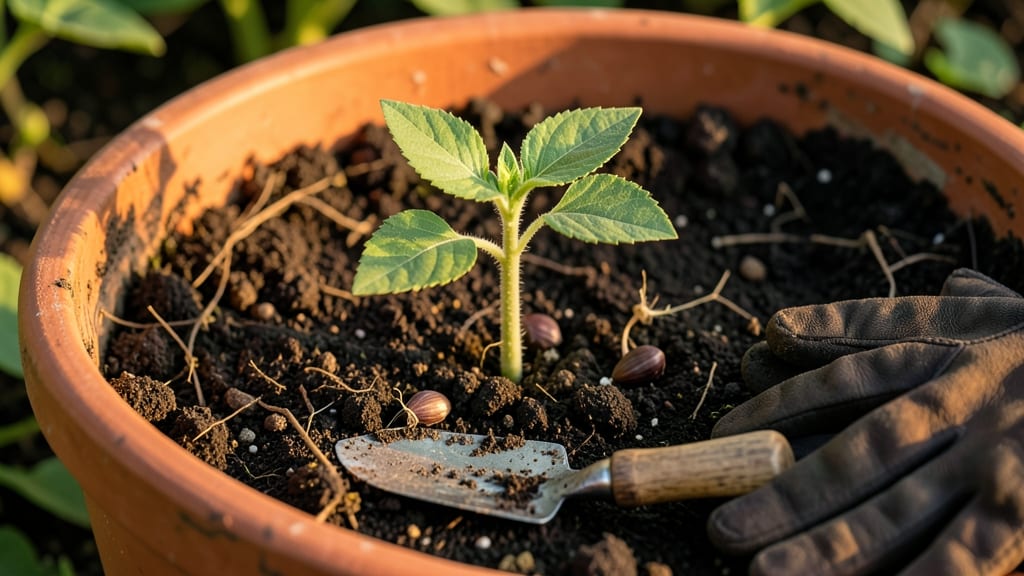
Sunflowers typically take between 5 and 14 days to sprout after planting, but those first green shoots can feel like a lifetime when you're waiting 🌱.
That’s because germination time depends on more than just seed type—soil temperature, moisture, and even how deep you bury them can speed things up or slow them down.
For example, giant sunflower seeds might take closer to two weeks, while smaller varieties can pop up in just a few days under ideal conditions.
If you’re eager to see those cheerful sprouts sooner, pre-soaking seeds overnight or planting in warm (60-90°F) soil can cut days off the timeline. But skip the guesswork: I’ll break down the exact conditions that make the difference between a speedy start and a frustrating wait.
By the end, you’ll know exactly when to check your soil, how to tell if seeds are struggling, and whether a little extra warmth or moisture is worth the effort for faster results.
Sunflower germination timeline: how long until sprouts appear by seed type
If you've ever planted sunflower seeds and eagerly waited for those first tiny green shoots, you're not alone. The germination timeline for sunflowers varies dramatically by seed type, and knowing these differences can mean the difference between fast, happy sprouts and frustrating delays.
Whether you're growing heirloom varieties, hybrid types, or giant sunflowers, understanding these timelines helps you plan better and troubleshoot issues.
Most sunflower seeds sprout within 7 to 14 days under ideal conditions, but some varieties can take as little as 5 days or as long as 21 days. The key factors influencing this timeline include soil temperature, moisture levels, and even how deep you plant the seeds.
Let’s break down the germination times by seed type so you know what to expect—and how to speed things up.
Heirloom sunflower seeds often take the longest to sprout—sometimes up to 21 days—because they haven’t been selectively bred for fast germination. In contrast, hybrid varieties like 'Moulin Rouge' or 'Autumn Beauty' are engineered to sprout in as few as 4-6 days when conditions are perfect.
If you're growing giant sunflowers, like 'Russian Giant' or 'Mammoth', expect a slightly longer wait due to their larger seed size and slower metabolic startup.
One of the biggest mistakes gardeners make is planting seeds too deep. Sunflower seeds should only be buried 1 inch deep—any deeper, and they may struggle to break through the soil. Moisture consistency is another critical factor; keeping the soil evenly damp (not soggy) speeds up germination.
If your soil feels dry an inch below the surface, give it a gentle watering to encourage those tiny roots to activate.
Did you know that soil temperature plays a huge role? Sunflower seeds germinate best when soil temps are between 60-90°F. If your spring soil is still chilly, consider using a seedling heat mat or waiting until the ground warms up naturally.
In cooler climates, you might see sprouts appear in 14-21 days instead of the usual 7-10 days. Conversely, in hotter regions, germination can happen in as little as 5 days if moisture and depth are ideal.
For impatient gardeners, pre-soaking sunflower seeds for 4-6 hours before planting can shave off 2-3 days from the germination timeline. Simply place the seeds in a bowl of lukewarm water, let them soak, and then plant them at the correct depth.
This method works especially well for heirloom and giant varieties, which benefit from a head start. Just be sure to plant them immediately after soaking—don’t let them dry out again.
If your seeds haven’t sprouted within 2-3 weeks, don’t panic just yet. Check the seed viability by cutting open a few seeds—if they’re hard and shriveled, they may have lost their ability to germinate. Alternatively, they might be waiting for warmer soil.
A simple trick is to place a clear plastic wrap over the planted area to trap heat and moisture, creating a mini greenhouse effect. This can encourage germination in as little as 5-7 days, even in cooler conditions.
Once those first green shoots appear, they’ll grow rapidly—sometimes 1-2 inches per day under ideal conditions. Thin your seedlings to 12-18 inches apart to give them room to thrive, and watch as they transform into those towering sunflower stalks you’ve been dreaming of.
With the right seed type and conditions, you could see your first sprouts in just a week!
5 Key factors that speed up or delay sunflower sprouting (and how to control them)
Sunflowers are famously fast growers, but their sprouting speed can vary dramatically based on a few critical factors. While some seeds pop up in just 3-5 days, others may take 10-14 days—or worse, never emerge at all.
The good news? You can control most of these variables to ensure your seeds break through the soil on schedule. Let’s break down the 5 biggest factors affecting germination and how to optimize each one for the fastest results.
First, soil temperature is the single most important factor. Sunflower seeds need consistent warmth between 60-90°F to germinate efficiently. If your soil is too cold (below 50°F), germination can stall completely.
In cooler climates, use black plastic mulch or a seedling heat mat to maintain ideal temperatures. Conversely, if the soil overheats above 95°F, seeds may dry out before sprouting.
Moisture levels play a close second—too much or too little can derail germination. Sunflower seeds need consistent dampness (not soggy soil) to activate. After planting, keep the soil evenly moist by watering gently every 2-3 days. Overwatering can cause seeds to rot, while underwatering leaves them dry and dormant. A simple trick? Use a spray bottle to mist the soil lightly until sprouts appear.
🌱 Key Factors for Sunflower Sprouting Speed
- 1.
- 2.
- 3.
- 4.
- 5.
Next, seed depth is often overlooked but critical. Plant sunflower seeds 1 inch deep—any deeper than 1.5 inches and they’ll struggle to push through the soil, while shallower than 0.5 inches risks exposing them to drying winds.
Use your finger to create a small trench, place the seeds, and cover them gently with soil. Press lightly to ensure good soil-to-seed contact, which helps moisture reach the seed faster.
Light exposure might seem counterintuitive, but sunflowers actually need light to germinate. Unlike some plants that sprout in darkness, sunflower seeds rely on natural sunlight or artificial grow lights to trigger sprouting. If you’re starting seeds indoors, place them under a grow light or near a south-facing window immediately after planting. Avoid the temptation to bury them too deep in hopes of keeping them moist—this will only delay or prevent germination.
Finally, seed quality can make or break your sprouting timeline. Older seeds (over 2 years old) often germinate slowly or poorly. To test viability, soak 10 seeds in water for 24 hours—if fewer than 80% sink, they’re likely stale.
For the fastest results, choose fresh, high-quality seeds from trusted suppliers, which typically boast 90%+ germination rates. If you’re unsure, pre-soak seeds for 4-6 hours in warm water to kickstart the process, but avoid over-soaking, which can lead to mold.
By controlling these 5 key factors, you’ll maximize your chances of seeing those first sunflower sprouts in as little as 3-5 days. Keep an eye on your soil moisture, temperature, and light conditions, and don’t hesitate to adjust as needed.
With the right conditions, your sunflowers will be on their way to becoming towering giants in no time! 🌻