
How To
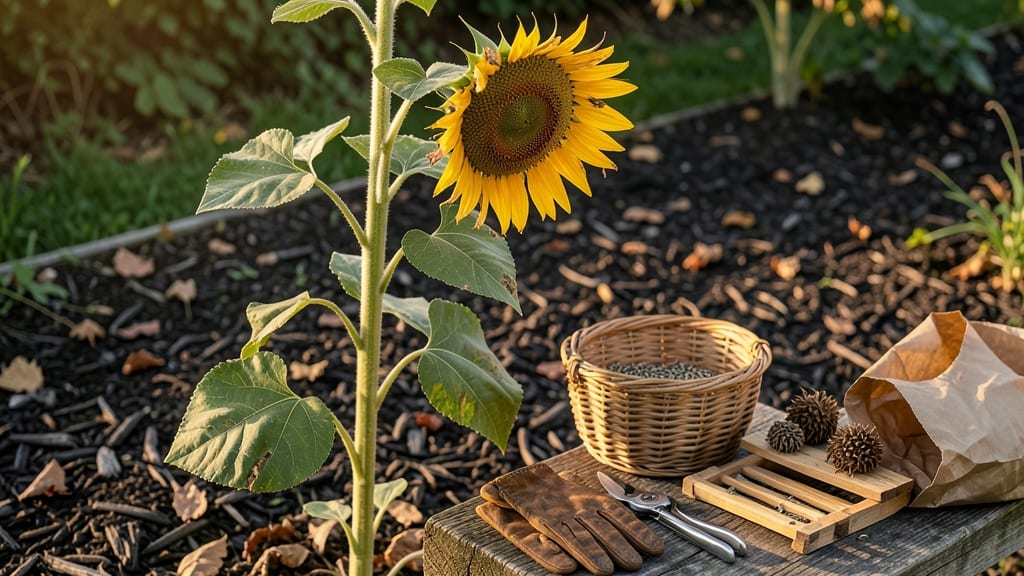
To tell when sunflower seeds are ready to harvest, watch for fully brown, dry seed heads and a hollow sound when shaken—this is the sweet spot for flavor and nutrition.
Sunflowers aren’t just beautiful—they’re a gardener’s goldmine when harvested at the perfect time. But knowing exactly when those seeds are ripe enough to pick can be tricky, especially for beginners. Miss the window, and you’ll end up with bitter seeds or wasted effort.
You’ll need to check four key signs: the color of the seeds, the texture of the head, leaf changes, and the back of the flower. These visual cues are your best guide to avoid common mistakes like harvesting too early or too late.
In this guide, I’ll walk you through the step-by-step process, including how to test ripeness with a simple touch-and-taste method. By the end, you’ll know exactly when to pick for the best seeds—and how to store them properly for future planting.


4 Key visual signs sunflower seeds are ready for harvest
Harvesting sunflower seeds at the right time ensures maximum flavor, nutrition, and storage life. The key is watching for four visual cues that signal peak ripeness. These signs help you avoid bitter seeds or waiting too long, which can lead to mold or seed loss.
I’ve learned the hard way—overripe seeds crumble when handled, while underripe ones taste bland and mealy.
Start by examining the seed head color and texture, which are the most obvious indicators. A fully ripe sunflower head will turn a deep, uniform brown, almost like a dried paper bag.
The back of the head (the part opposite the petals) should also shift from green to a pale yellow or tan. These color changes mean the seeds inside are ready for harvest.
Here’s a quick reference to help you spot these signs at a glance:
| Sign | What to Look For | Action |
|---|---|---|
| Seed Head Color | Deep, uniform brown (like dried paper) | Harvest in 1-2 days |
| Back of Head | Pale yellow/tan (no green) | Check seeds for rattling |
| Petals | Wilted and falling off | Harvest immediately |
| Seed Texture | Dry and papery | Shake head—seeds should rattle |
Next, pay attention to the petals. When they start wilting and falling off, it’s a clear sign the seeds are maturing. I’ve seen gardeners miss this step and harvest too early, resulting in seeds that don’t fully develop their rich, nutty flavor.
The petals act like a natural timer—once they’re gone, the seeds are typically ready within 24-48 hours.
Don’t overlook the leaves either. As the sunflower matures, the lower leaves will yellow and die back. This is the plant’s way of redirecting energy to the seed head. If the leaves are still vibrant and green, the seeds likely need more time.
I once waited too long and ended up with leaves that had turned crispy brown—by then, the seeds were overripe and brittle.
One of my favorite tricks is the shake test. Hold the seed head gently and give it a shake. If the seeds inside rattle loudly, they’re ready to harvest. This test works best in the morning when the heads are dry.
I’ve used this method for years, and it’s saved me from harvesting seeds that weren’t quite ready. Pro tip: If the seeds don’t rattle, wait another 3-5 days and check again.
The back of the flower head is often overlooked but is one of the most reliable indicators. When it turns from green to a pale yellow or tan, it’s a strong signal that the seeds are nearing maturity.
I’ve found that this color change happens just before the petals fall off, giving you a heads-up that harvest time is approaching. Pay close attention to this area—it’s your early warning system.
Timing is everything with sunflowers. Harvest too early, and the seeds will be underdeveloped and bland. Wait too long, and they’ll dry out completely, making them difficult to remove from the head.
The ideal window is when the seed head is fully brown, the petals are gone, and the seeds rattle when shaken. This usually happens 80-120 days after planting, depending on the variety.
Once you’ve confirmed all four signs, it’s time to harvest. Use a sharp pair of pruning shears or a knife to cut the seed head from the stem, leaving a 2-3 inch stalk. This makes it easier to hang the head for drying.
I like to hang my sunflower heads upside down in a dry, well-ventilated area. This allows the seeds to dry evenly and prevents mold from forming.
Remember, every sunflower variety has slightly different ripening times. Dwarf varieties may mature faster (around 60-80 days), while tall varieties can take up to 120 days. Always check the seed packet for specific guidance, but rely on these visual cues as your primary indicator.
With practice, you’ll develop an eye for spotting the perfect harvest window.
How to test sunflower seed ripeness: the 3-Step touch-and-taste method
Determining when sunflower seeds are perfectly ripe can feel like guessing, but it doesn’t have to be. The 3-step touch-and-taste method gives you a foolproof way to confirm ripeness without relying on luck.
This approach combines simple visual cues with hands-on tests to ensure you harvest seeds at their peak for both flavor and oil content. Whether you're growing sunflowers for bird feeders, cooking, or saving seeds, these steps will help you avoid bitter or underdeveloped seeds.
Many gardeners make the mistake of harvesting too early, which results in seeds that are hard and bitter, or too late, leading to seeds that shatter and fall to the ground. The good news? With this method, you’ll know exactly when to pick your sunflowers for the best results.
Start by selecting a healthy sunflower head—one that’s fully matured but hasn’t yet dried out completely. This method works best on standard sunflower varieties, though dwarf varieties follow similar principles.
-
Step 1: Check Seed Color
Look at the back of the seed head. It should turn from green to yellowish-brown. The seeds inside will also change from white to dark brown or black. If the back is still green, wait a few more days.
-
Step 2: Gentle Squeeze Test
Hold the seed head firmly and give it a light squeeze. If the seeds inside rattle loudly, they’re ready. If there’s no sound or a dull thud, they need more time to mature. This test confirms the seeds are fully dry inside the head.
-
Step 3: Taste Test (Optional but Reliable)
Pop 1-2 seeds out of the head and taste them. If they’re sweet and nutty, they’re perfect. If they’re bitter or hard, wait another 2-3 days before harvesting. This step ensures you’re harvesting seeds at their peak flavor and texture.
Timing is everything when it comes to harvesting sunflower seeds. Ideally, you should harvest them in the late morning when the dew has dried but before the heat of the day sets in. This reduces the risk of mold or spoilage during storage.
Once you’ve confirmed ripeness using the touch-and-taste method, use a sharp pruning shear or knife to cut the seed head from the stem, leaving a few inches of stem attached for easier handling.
After harvesting, let the seed heads dry in a well-ventilated, dry place for about 1-2 weeks. This allows any remaining moisture to evaporate, preventing mold. Once fully dry, gently rub the seed head between your hands or use a clean cloth to remove the seeds.
Store them in a cool, dark place in an airtight container to preserve their freshness for up to a year. Proper drying and storage ensure your seeds remain viable and flavorful for future planting or snacking.
Don’t overlook the importance of weather conditions when harvesting. If rain is forecasted, harvest your sunflowers ahead of time to avoid damp seeds, which can lead to mold. Similarly, if temperatures are extremely high, harvest in the early morning to prevent the seeds from overheating.
By combining the touch-and-taste method with smart timing, you’ll maximize your harvest’s quality and yield every season.