
How To
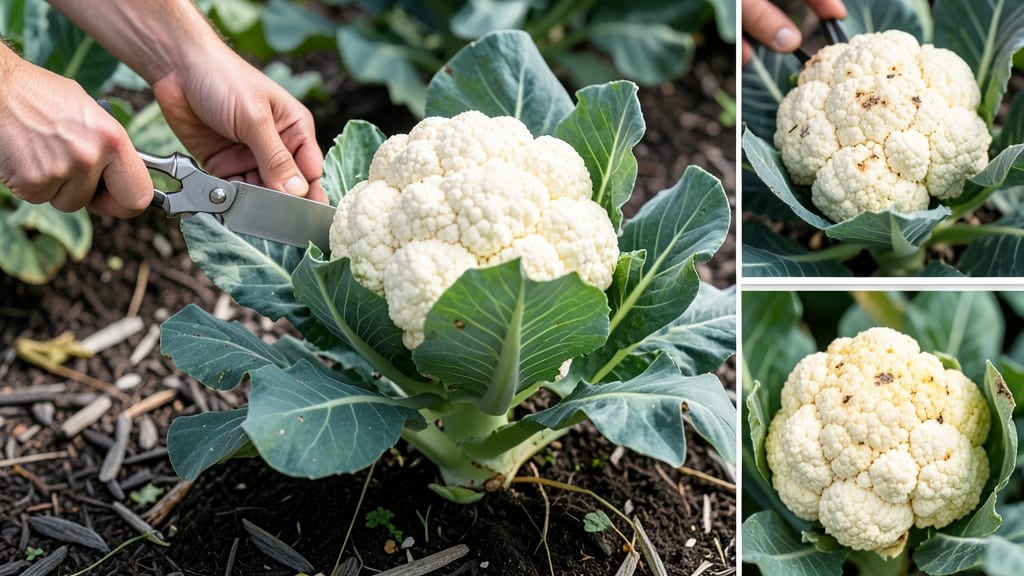
Knowing when to pick cauliflower 🥬 means catching it at its peak—creamy, tight, and ready to eat, not woody or bitter.
Harvesting cauliflower at the perfect moment means the difference between a fluffy, tender head and a bitter, woody mess—but how do you know when it's ready?
Look for a head that’s 6-8 inches wide with tightly closed outer leaves, a sign the curds are still firm and compact. If you wait too long, the leaves will yellow, and the head will turn tough.
Here’s what to watch for—visual cues, gentle tests, and the best time of day to harvest—so you never miss the sweet spot.


Visual signs your cauliflower is ready for harvesting
Knowing exactly when to harvest your cauliflower ensures you get that perfect, tender curd with the best flavor. The key lies in watching for specific visual cues that signal peak ripeness.
Unlike some vegetables, cauliflower doesn't ripen after picking, so timing is everything. I’ll break down the physical indicators you need to watch for to avoid harvesting too early or too late.
First, focus on the head size—a mature cauliflower head typically measures 6 to 8 inches in diameter. Smaller heads may still need time, while oversized ones can become woody and bitter. The head should feel firm to the touch, almost like a dense, compact ball.
If it feels soft or spongy, it’s likely past its prime. Pay attention to the outer leaves too—they should remain tightly wrapped around the head, protecting it from sunlight.
Next, examine the curd color. Most varieties develop a creamy white hue when ready, though heirloom types like Romanesco or Purple cauliflower will have their signature colors. Avoid harvesting if the curds start turning yellow or brown, as this indicates overmaturity.
The stem base should also snap easily when gently bent—this is a classic sign of readiness. If it resists, the head isn’t fully mature yet.
The leaf condition is another critical clue. Healthy outer leaves should stay vibrant green and tightly closed, almost like a protective blanket. If you notice yellowing or browning leaves, it’s a red flag that the head is either stressed or past its peak.
Additionally, check for loose or separated curds—this is a clear sign the plant is overripe and should be harvested immediately to salvage what you can.
| Sign | Description | Action |
|---|---|---|
| Head Size | 6–8 inches in diameter | Harvest when firm and compact |
| Curd Color | Creamy white (or variety-specific) | Avoid yellowing or browning |
| Leaf Condition | Tightly closed, green leaves | Harvest before leaves yellow |
| Stem Test | Snaps easily when bent | Ready for harvest |
| Texture | Firm, dense curds | Avoid soft or loose heads |
Don’t overlook the environmental factors that can affect ripeness. Cauliflower thrives in cool weather, ideally between 50–75°F. If temperatures rise above 80°F, the heads may bolt or become woody and tough.
Similarly, drought stress can cause the curds to split or develop unevenly. Keep an eye on your plants during heatwaves and provide shade cloth if needed to protect them.
Heirloom varieties often have unique color cues that signal readiness. For example, Purple cauliflower should maintain its deep violet hue, while Romanesco will develop its signature fractal pattern. Even in these cases, the firmness and size remain the most reliable indicators.
If you’re growing multiple varieties, label your plants to keep track of their specific readiness signs.
One common mistake is waiting too long because the head looks "big enough." But size alone isn’t enough—you must also check the internal quality. Cut a small slice into the curd to peek at the center. If it’s pale and compact, it’s ready.
If it’s yellow or hollow, it’s past its prime. This quick check can save you from harvesting a disappointing head. Remember, cauliflower doesn’t ripen after picking, so act fast once you spot these signs.
Finally, time your harvest for the coolest part of the day, typically early morning. This helps preserve the crisp texture and prevents the curds from wilting in the heat. Use a sharp knife to cut the stem about 1 inch below the head, leaving the outer leaves intact.
These leaves can protect the curd during storage, extending its freshness. Store harvested cauliflower in the crisper drawer of your fridge for up to a week, or blanch and freeze for longer storage.
By mastering these visual cues, you’ll consistently harvest cauliflower at its peak—fluffy, tender, and full of flavor. The more you practice, the easier it becomes to spot the perfect moment. Happy harvesting! 🥬
How to check cauliflower ripeness without damaging the plant
Harvesting cauliflower at the right moment requires gentle techniques to avoid bruising or stressing the plant. Unlike many vegetables, cauliflower doesn't give obvious visual cues like fruit ripening—you need to test for firmness and inspect leaf health carefully.
The key is balancing maturity timing with plant preservation to ensure both quality and future productivity.
Start by checking the head diameter, which should reach 6-8 inches for most varieties. However, size alone isn't enough—you'll need to combine this with texture tests and leaf condition to confirm readiness. Overlooking these details can lead to woody curds or premature bolting, ruining your harvest.
⚠️ Warning: Over-Maturity Signs
If your cauliflower head splits open or turns yellow-green, it's past prime. Loose curds or brown spots mean it's either underripe or overripe. Check leaves daily—yellowing outer leaves signal the plant is redirecting energy to seed production, not your harvest.
Use the finger pressure test as your primary method. Gently press the curd surface—it should feel firm but slightly yielding, like a ripe avocado.
If it feels rock-hard, it's underripe; if it's mushy, you've waited too long. This test works best in the morning when temperatures are cooler.
Next, examine the outer leaves. They should remain tightly wrapped around the head, showing no signs of yellowing or browning. Loose leaves indicate the plant is bolting (flowering) and the head will soon become woody and inedible.
For heirloom varieties, watch for color changes—purple or orange hues should deepen but not fade.
Timing matters too—harvest on cool, cloudy days to prevent stress. Avoid picking during hot afternoons, which can cause the curds to overheat and spoil quickly. If you're unsure, wait 1-2 days rather than harvesting too early, as cauliflower continues maturing after reaching ideal size.
For continuous harvests, plant successive 60-day varieties every 2 weeks in spring and fall. This ensures you're always testing fresh heads at peak ripeness. Remember, the goal is tender, compact curds—never sacrifice quality for quantity.