
Flowers
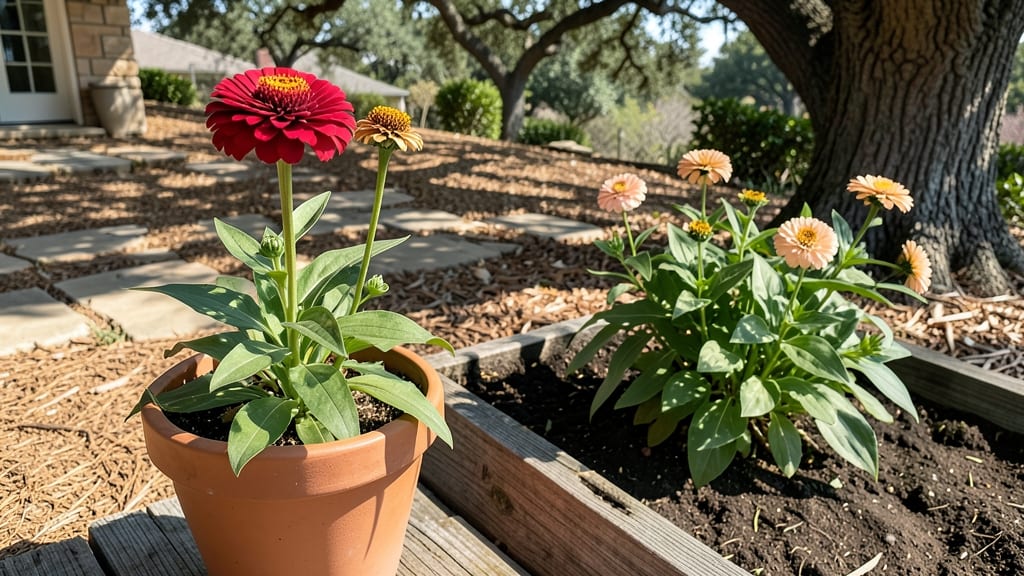
Zinnia flowers need full sun for the brightest blooms, but they can handle partial shade with the right adjustments — and knowing the difference makes all the difference in your garden.
Picture this: you’ve spent weeks nurturing your zinnias 🌼, only to watch them stretch toward the light with sparse blooms or flop over entirely. That’s often a sign they’re not getting enough sun — or, in some cases, too much of the wrong kind.
The good news? With a few simple tweaks, you can coax even shade-grown zinnias into thriving.
Most zinnias crave at least 6 hours of direct sunlight daily, but varieties like 'Benary’s Giant' can tolerate partial shade if spaced properly.
The key is matching your zinnias to their light conditions: full sun for bold colors, partial shade for a more delicate look, and always well-draining soil to prevent leggy stems.
In this guide, I’ll break down how to read your zinnias’ light needs, the best varieties for different conditions, and proven tricks to maximize blooms whether your garden is sun-drenched or just partially lit.
 Best Window Placement
Zinnia light requirements: sun vs shade for maximum blooms
If your zinnias are producing sparse blooms or long, leggy stems, their light exposure is likely the culprit. These stunning annuals are sun worshippers at heart, but they can tolerate partial shade with adjustments. Understanding their light needs is key to unlocking those vibrant zinnia blooms you love.
Zinnias thrive when planted in full sun locations—think 6+ hours of direct sunlight daily. This light requirement ensures robust stems, abundant flowers, and those bold colors that make zinnias a garden favorite.
However, partial shade can still work if you choose the right varieties and provide proper care.
When zinnias receive full sun exposure, they reward you with bold, vibrant blooms and compact growth. However, if you notice leggy stems or fewer flowers, your plants are likely light-deficient.
This often happens when zinnias get less than 4 hours of sun daily, causing them to stretch toward any available light.
In partial shade conditions, zinnias may still produce flowers, but they’ll likely be smaller and less frequent. The stems will also be weaker and more prone to flopping, especially in humid climates.
To combat this, choose shade-tolerant varieties like 'Crystal' or 'Thumbelina', which handle 3-4 hours of sun better than others.
Seasonal adjustments are crucial for zinnias in warmer climates. During summer months, zinnias can bolt (produce seeds quickly) if stressed by intense heat. Provide afternoon shade with lightweight shade cloth (30-50%) to protect them while still allowing morning sun for energy.
If you're growing zinnias in containers, their light needs become even more critical. Place pots in south-facing locations or on patios with maximum sun exposure. Rotate containers weekly to ensure even growth, as zinnias will lean toward the brightest light source.
Watch for signs of light deficiency like yellowing leaves or stretched stems. These indicate your zinnias need more sunlight. If you can’t move them, consider pruning lower leaves to encourage bushier growth and redirect energy to flower production.
For cooler climates, zinnias can handle partial shade in early spring or late fall when sunlight is less intense. However, once temperatures rise, move them to sunnier spots to prevent leggy growth and ensure continuous blooming.
Remember, zinnias are annuals, so their light needs are consistent throughout their growing season. By providing the right sunlight conditions and making small adjustments for shade, you’ll enjoy lush, blooming zinnias from summer to frost. 🌼
How to grow zinnias in low-light conditions: proven tips
Growing zinnias in low-light conditions doesn’t mean sacrificing those stunning blooms! While zinnias love full sun, shade-tolerant varieties like Benary’s Giant can thrive with the right adjustments. The key is understanding how to optimize light exposure, space plants strategically, and use companion planting to boost growth.
With these proven tips, you can enjoy vibrant zinnias even in partial shade or containers with limited sunlight.
First, focus on selecting shade-tolerant zinnia varieties that handle 3-6 hours of sunlight daily. These varieties produce slightly smaller blooms but maintain their vibrant colors and long-lasting flowers. Pair this with proper spacing—zinnias need room to compete for light, so avoid overcrowding.
In containers, choose larger pots (at least 12 inches deep) to allow roots to spread and access more light from multiple angles.
✨ Top 5 Tips for Low-Light Zinnias
- 1. Choose shade-tolerant varieties: Opt for Benary’s Giant, Profusion Series, or Crystal Series—these handle partial shade best.
- 2. Maximize light access: Prune nearby trees or shrubs to allow dappled sunlight to reach zinnias during peak hours (10 AM–2 PM).
- 3. Use reflective surfaces: Place light-colored mulch or mirrors near containers to bounce extra light onto plant foliage.
- 4. Companion plant strategically: Pair zinnias with tall sun-loving plants (like sunflowers) to create a light canopy that filters shade gently.
- 5. Fertilize for vigor: Use a balanced fertilizer (5-10-10) every 4-6 weeks to encourage stronger stems that reach for light more effectively.
Container gardening is a game-changer for low-light zinnias. Select self-watering pots with drainage holes to prevent root rot, and place them in the sunniest spot you have—even if it’s just a south-facing patio.
Elevate containers on plant stands to improve airflow and light exposure at the base. If your space is truly dim, consider grow lights (LED full-spectrum bulbs) for 4-6 hours daily to supplement natural light.
Watch for signs of light deficiency, like leggy stems or fewer blooms. If this happens, prune back overgrown foliage to redirect energy to flower production. Deadhead spent blooms regularly to encourage new growth and longer flowering seasons.
With these adjustments, your zinnias will reward you with bold colors and healthy foliage, even in less-than-ideal light conditions.
Remember, zinnias are resilient—they adapt better to shade than many other flowers. By combining the right varieties, spacing, and light-boosting hacks, you’ll create a thriving low-light zinnia garden that rivals those in full sun. Happy gardening!