
Flowers
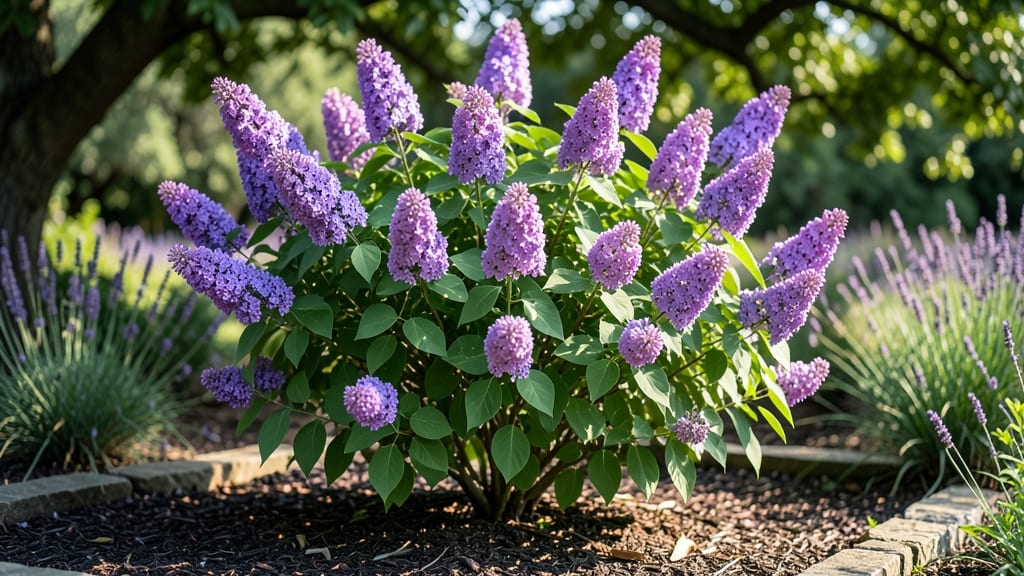
Lilacs flower in late spring, typically between April and May in most of the U.S., but the exact timing hinges on your zone, variety, and a few pruning secrets.
Picture this: the intoxicating fragrance of 🌸 lilacs wafting through your yard, signaling that winter is finally over. Yet, for many gardeners, the wait feels endless—especially when your neighbor’s bush bursts into bloom while yours sits stubbornly bare.
The difference often comes down to understanding your local climate, choosing the right variety, and knowing when to prune.
In USDA Zone 6a, where lilacs thrive, blooms usually appear in early May, but cooler springs can push them back to June. Meanwhile, dwarf varieties like Syringa meyeri often flower a week or two earlier than their towering Syringa vulgaris cousins.
Even a single misplaced cut can delay—or ruin—your blooms entirely.
Below, I’ll break down the exact months for your zone, share pruning tricks to control timing, and reveal the 5 most common mistakes that keep lilacs from flowering on schedule. No more guessing—just fragrant, show-stopping blooms.
Lilac bloom timing by USDA hardiness zones: exact months & climate factors
If you’ve ever wondered when does lilac flower in your area, the answer depends on your USDA hardiness zone and local climate. Lilacs thrive in zones 3 through 8, but their blooming windows shift dramatically—from late April in the South to early May in colder regions.
Understanding these patterns helps you time planting, pruning, and care for maximum fragrance.
Lilacs are spring ephemerals, meaning they bloom early before summer heat sets in. However, temperature fluctuations, sunlight exposure, and soil moisture can push blooms earlier or delay them by weeks.
For example, a sudden cold snap in USDA Zone 5 might postpone flowering until late May, while a warm winter in Zone 7 could trigger buds to open as early as March.
Below is a zone-by-zone breakdown of typical lilac blooming windows, along with climate factors that influence timing. Use this as your guide to anticipate—and even adjust—the perfect bloom time for your garden.
Pro Tip: Early bloomers like Syringa meyeri (dwarf lilac) often flower 2-3 weeks sooner than standard varieties, while late bloomers like Syringa villosa may wait until June in cooler zones.
| USDA Zone | Typical Bloom Month | Climate Factors | Adjustments for Early Blooms |
|---|---|---|---|
| 3-4 | Late May - Early June | Short growing season; needs full sun | Plant in south-facing spots; mulch heavily |
| 5 | Mid-May | Moderate winters; variable spring temps | Prune lightly in late winter; avoid heavy pruning |
| 6 | Early-Mid May | Mild winters; reliable springs | Fertilize in early spring; ensure 6+ sun hours |
| 7 | Late April - Early May | Warm winters; early springs | Choose early varieties like 'Mme. Lemoine' |
| 8 | March - April | Long growing season; mild winters | Prune after blooming; avoid late pruning |
In USDA Zone 3-4, lilacs often wait until late May or early June to bloom due to cold winters and late springs. These zones benefit from south-facing plantings and heavy mulching to protect roots and encourage earlier bud development.
Varieties like Syringa vulgaris 'Purple Robe' are hardy choices for these regions.
For Zones 5-6, where springs are more predictable, lilacs typically bloom in mid-May. However, a warm winter can trick lilacs into blooming as early as April, while a cold snap in March may delay them until June.
Pay attention to bud swell—when buds begin to plump up in late winter, that’s your cue to monitor progress closely.
In Zones 7-8, lilacs often bloom
Pruning tricks to control lilac flowering time & maximize fragrance
Lilacs are famous for their springtime fragrance, but the timing of those blooms isn’t set in stone. With the right pruning techniques, you can coax flowers to appear earlier for a spring showstopper or delay them for summer-long fragrance.
The key lies in understanding when lilacs flower naturally and how to manipulate growth cycles.
Most lilacs bloom on old wood—last year’s growth—so cutting back too aggressively can reduce next year’s flowers. However, strategic pruning can shift bloom timing by encouraging new growth at specific times.
For example, light pruning in late summer can delay flowering until late spring or early summer, while heavier cuts in early spring can push blooms to arrive sooner.
⚠️ When Does Lilac Flower?
Typical bloom time: Late spring (April–May in most USDA zones 3–8). However, pruning timing can shift this by 2–4 weeks earlier or later. For example:
- Zone 3–5: Blooms May–June (naturally later due to cooler climates).
- Zone 6–8: Blooms April–May (earlier with winter pruning).
Key factor: Lilacs need chilling hours (300–600 hours below 45°F) to bloom. Prune too late, and you may delay or prevent flowering entirely.
To advance blooming time, prune your lilac in early spring (just as buds swell) by removing one-third of last year’s growth. This encourages the plant to push out new shoots that will flower earlier.
For example, if your lilac usually blooms in mid-May, these cuts can shift it to late April—perfect for Easter displays.
For summer-long fragrance, prune lightly in late summer (August–September) to remove only dead or crossing branches. This delays bloom formation until the following year, often resulting in larger clusters that open in June or July.
Just avoid heavy pruning, which can stimulate new growth that won’t harden off before winter.
Avoid these common pruning mistakes that ruin blooms: cutting into old wood (no flowers next year), pruning after June 15 (new growth won’t mature), or shearing into a rounded shape (reduces airflow and flower quality).
Instead, use selective cuts to shape naturally and open the center of the bush for better light penetration.
Test this trick on one bush this year: prune half early spring for early blooms and the other late summer for delayed flowers. Compare the results—you’ll likely double your fragrance window while keeping your lilac healthy and vibrant for decades.
The secret is timing and patience, not aggressive cuts. 🌸