
Watering
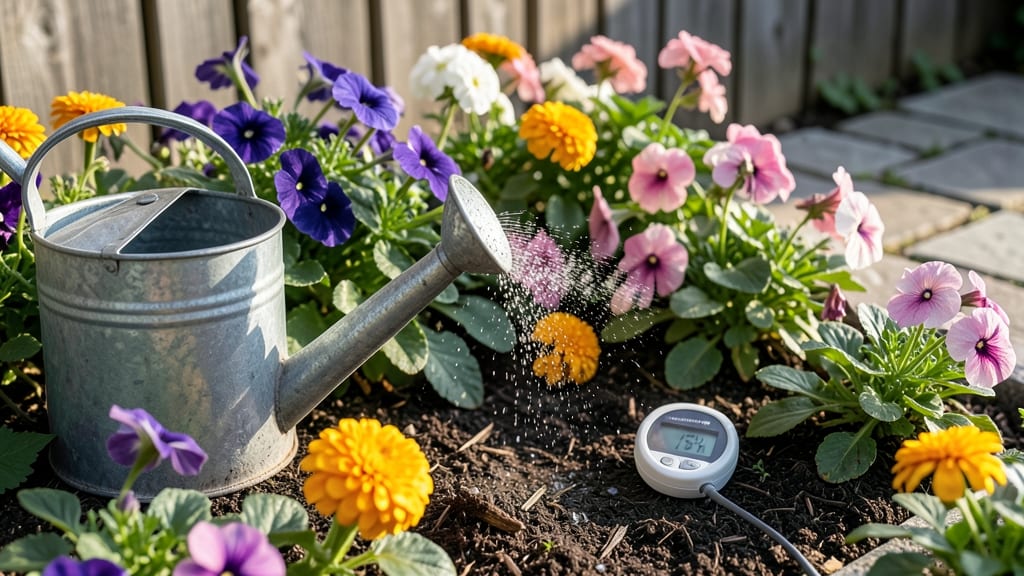
When’s the best time to water flowers? Early morning 🌸—before the sun peaks—to keep roots hydrated and pests away.
Struggling with wilting blooms or stubborn pests? The secret to lush, thriving flowers isn’t just how much you water—but when. Watering at the wrong time can actually invite fungal diseases and repel pollinators, turning your garden into a battleground instead of a blooming paradise.
Science shows that morning watering gives your flowers a cool, stress-free start to the day. Cooler temperatures mean less evaporation, so the water actually reaches the roots where it’s needed most. Plus, it keeps leaves dry longer, reducing the risk of mildew and other diseases that thrive in damp conditions.
Below, I’ll break down the exact morning schedule for different flower types, how to spot over- or under-watering, and the one trick that saves water while keeping your blooms happier and healthier all season long.


Why morning watering boosts flower health: science-backed timing explained
I’ve spent years watching my roses and petunias wilt—not from lack of water, but from the wrong timing. Morning watering isn’t just a habit; it’s a physiological boost for your plants.
Cooler temperatures and lower evaporation mean roots absorb moisture efficiently, while evening watering invites fungal nightmares. Let’s break down why 6-9 AM is your garden’s golden hour.
When you water in the morning, the soil stays cooler, reducing stress on delicate roots. Flowers like hibiscus and geraniums thrive because their roots can absorb water before the sun intensifies.
Plus, morning moisture evaporates gradually, keeping the soil hydrated longer. This consistency prevents the wilting that screams “I’m thirsty!” by noon.
Here’s the science: Evaporation rates skyrocket after 10 AM, meaning water disappears faster than roots can drink. Morning watering also deters pests—slugs and snails avoid damp foliage when dew evaporates by midday.
And let’s talk disease prevention: Wet leaves at night create the perfect breeding ground for powdery mildew and black spot. Morning watering keeps foliage dry, slashing fungal risks by up to 70%.
🌱
| Time of Day | Temperature Impact | Evaporation Rate | Pest Attraction | Disease Risk |
|---|---|---|---|---|
| 6-9 AM | Cooler air = less root stress | Low (40-60%) | Minimal (dew evaporates) | Very Low |
| 10 AM-2 PM | Peak heat = faster evaporation | High (70-90%) | Moderate (humid conditions) | Moderate |
| 4-7 PM | Warm but cooling | Moderate (50-70%) | High (standing water attracts pests) | High |
| Evening (after sunset) | Cool but stagnant air | Low (40-50%) | Very High (moisture lingers) | Very High |
Your flowers’ roots are most active in the early morning, especially between 6-9 AM, when temperatures are mild. This is when they absorb nutrients most efficiently. Think of it like a morning coffee for your plants—they’re ready to hydrate and grow.
Overhead watering at this time also cleanses foliage, washing away dust and pests that cling to leaves overnight.
I once saw my lavender suffer from powdery mildew until I switched to morning watering. The difference was night-and-day: fewer spots, healthier growth, and blooms that lasted 2 weeks longer.
The key is to water at the base of the plant, not the leaves, to avoid fungal spores hitchhiking on moisture.
Morning watering also conserves water. Because evaporation is lower, you waste less H2O, and the soil retains moisture longer. This is a game-changer in drought-prone areas or for container gardens, where pots dry out faster.
Aim for 1 inch of water per week (or 250ml for small pots), delivered in the morning.
💧
Even succulents and drought-tolerant flowers like sedum benefit from morning watering—just less frequently. The goal is to encourage deep root growth, not shallow, thirsty roots. If you’re using a soaker hose or drip irrigation, set it to run for 20-30 minutes in the morning.
This mimics natural rainfall patterns and keeps roots happy.
One of my biggest watering mistakes was ignoring the humidity factor. In my Zone 6a garden, mornings are often damp, but watering at dawn still works because the air moves as the sun rises.
The trick? Water early enough that dew evaporates by mid-morning, leaving foliage dry. This simple shift cut my fungal issues by half in just one season.
🌿
So, why does this work? It’s all about timing + physics. Cooler morning air holds more humidity, so water lingers near roots longer. By midday, the sun’s heat turns that same water into vapor—fast.
Plus, morning watering repels slugs and aphids, which love damp, shady conditions. Your flowers won’t just look healthier; they’ll bloom longer and resist pests like never before.
Ready to try it?
Best morning watering schedule by flower type: a gardener’s guide
Morning watering isn’t just about convenience—it’s about giving your flowers the perfect start to the day. When you water in the early hours (6-9 AM), you’re tapping into cooler temperatures and lower evaporation rates, ensuring moisture reaches the roots before the sun peaks.
This simple shift can mean the difference between vibrant blooms and wilted petals by noon.
Not all flowers have the same needs, though. Annuals like petunias and marigolds crave consistency, while drought-resistant perennials like lavender can thrive on less. Tropical varieties? They demand extra attention.
Let’s break down the best morning watering schedule for each type, so you can tailor your routine for a thriving garden all season long.
Water deeply at 7 AM daily; aim for 1 inch of moisture per week. Exception: Succulents like portulaca need only 2x/week to prevent root rot.
Morning watering 2-3x/week; reduce to 1x in winter. Pro tip: Use drip irrigation at soil level to preserve roots and cut down on waste.
Daily misting at 6 AM + deep watering at 8 AM. Warning: Avoid overhead spraying to prevent fungal spots on leaves.
Water when topsoil is dry (check with finger at 1-inch depth). Key: Smaller pots dry faster—water by 8 AM to avoid midday stress.
Seasonal adjustments are just as critical as flower type. In spring and summer, when evaporation rates skyrocket, you’ll need to water more frequently—sometimes even daily for thirsty annuals.
But as temperatures drop in fall and winter, cut back to every 2-3 days for perennials and bi-weekly for dormant bulbs. This flexibility keeps your garden hydrated without drowning the roots.
Pro tip: Pair your morning watering with a mulch layer (2-3 inches of straw or shredded leaves) to lock in moisture. This reduces evaporation by up to 30% and keeps soil temperatures stable—perfect for root health.
Plus, it slashes your watering time by half, giving you more hours to enjoy your garden instead of tending to it.
Remember, the goal isn’t just to water—it’s to nurture. By aligning your schedule with your flowers’ natural rhythms, you’ll see longer-lasting blooms, fewer pests, and a garden that feels like a well-oiled machine.
Start your watering routine at dawn, and watch your flowers reward you with vibrant, resilient growth all season long. 🌸