
Flowers
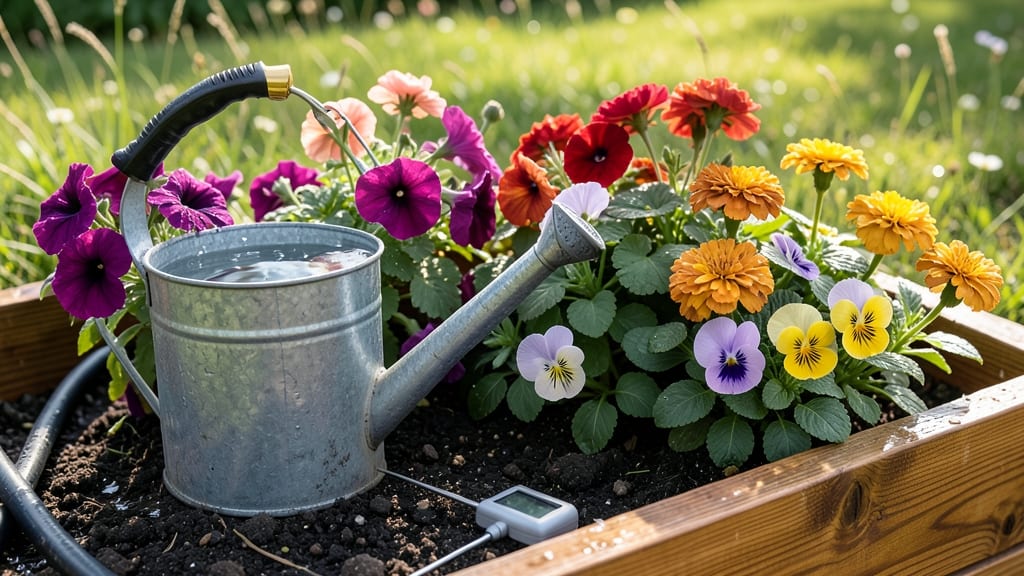
To water flowers the right way means checking soil moisture first — not guessing by days or hours, because that’s how you end up drowning your 🌸 or letting them wilt.
Struggling to keep your flowers alive? Overwatering or underwatering are the silent killers of vibrant blooms—and the key to fixing it lies in understanding your soil’s true needs.
Most gardeners water on a schedule, but flowers in Zone 6a need a smarter approach. The soil check method—testing moisture with your finger or a simple tool—tells you exactly when to water, not when you think you should.
In this guide, I’ll walk you through adjusting watering based on flower types, seasons, and even pot size, so you can finally stop second-guessing and start seeing thriving blooms all season long.
The soil check method: how to determine when flowers need watering
Mastering the art of watering flowers isn’t about following a rigid schedule—it’s about reading your soil’s signals. Too much water drowns roots, while too little stunts growth, and the soil check method is your secret weapon.
This simple technique helps you water with precision, ensuring your annuals, perennials, and succulents thrive without guesswork. By tuning into your soil’s moisture levels, you’ll avoid the most common mistakes that turn vibrant blooms into sad, wilted stems.
Start by understanding that different flowers have unique needs. A lavender bush thrives on infrequent deep watering, while petunias in containers dry out faster. The key is checking the soil’s moisture level at the root zone—where the action happens.
This method works for both in-ground plants and potted flowers, making it universally applicable. Grab a trowel, your fingers, and a moisture meter (if you’re tech-savvy), and let’s dive into the steps that will transform your watering routine.
Step-by-Step Soil Check Method
-
Step 1: Choose the Right Time
Test soil in the morning (after dew has evaporated) or evening (avoid midday heat). Never check after watering or rain—wait 24 hours for accurate results. -
Step 2: The Finger Test (Best for Most Flowers)
Insert your index finger 1-2 inches deep into the soil near the plant’s base. If it feels dry at this depth, it’s time to water. For succulents, go deeper—3-4 inches. -
Step 3: The Weight Check (For Potted Flowers)
Lift your pot—if it feels light as a feather, the soil is bone-dry. A heavy pot (but not soggy) means roots have moisture to last another day or two. -
Step 4: Tools for Precision
Use a moisture meter for exact readings (ideal for clay soil or sandy soil, which can be misleading to touch). For container gardens, a self-watering probe automates checks. -
Step 5: Adjust for Flower Type
Annuals (like marigolds) need frequent checks—water when the top ½ inch is dry. Perennials (like daylilies) can wait until 1 inch deep is dry. Succulents? Only water when the soil is completely dry all the way through. -
Step 6: Water Deeply and Infrequently
When you water, soak the soil until it’s moist 6 inches deep. Shallow watering encourages weak roots and fungus growth. Use a drip irrigation system or watering can with a rose attachment for even distribution.
Pro Tip: Keep a watering journal to track when you water and how your flowers respond. Note changes in weather—hot, windy days mean more frequent checks!
Don’t rely on a calendar or generic advice like “water every other day.” Your soil’s moisture level changes with temperature, humidity, and rainfall. For example, in summer heat, your roses might need daily checks, while fall-blooming asters can go weeks between waterings.
The soil check method adapts to these variables, ensuring your flowers get just the right amount—no more, no less.
Pay attention to visual cues alongside your soil tests. Yellowing leaves often signal overwatering, while dry, crispy edges on petals mean underwatering. However, these signs come after the damage is done, so proactive soil checks prevent problems before they start.
For instance, if your hydrangeas start dropping buds, it’s usually a sign of inconsistent moisture—something the finger test could’ve caught earlier.
For container-grown flowers, like geraniums or begonias, the rules shift slightly. Smaller pots dry out faster, so check the soil daily during heatwaves. Group potted plants together to create a microclimate that retains moisture longer.
If the soil feels dry at the surface but moist below, it’s a sign your pot lacks drainage—time to add a layer of perlite or gravel to the mix.
Seasonal adjustments are critical. In spring, as roots establish, water lightly but frequently to encourage growth. By summer, increase depth and reduce frequency to build drought resistance. Fall is a transition period—taper off watering as plants prepare for dormancy.
And in winter, most flowers need minimal water, except for evergreen perennials like heather, which stay active.
Invest in a soil moisture sensor if you’re serious about precision. These gadgets eliminate guesswork and are a game-changer for bloom-heavy plants like peonies or lilies, which wilt dramatically when thirsty.
Pair it with a weather app to predict dry spells, and you’ll have a watering system that’s as smart as it is efficient. Even a simple $10 moisture meter from your garden center will outperform your current method.
Remember, the goal isn’t to keep soil damp—it’s to maintain a balance where roots have access to moisture but never sit in waterlogged conditions. Over time, you’ll develop an intuition for your garden’s unique needs.
Start with the finger test, then refine with tools as you gain confidence. Your flowers will reward you with longer blooms, healthier foliage, and a garden that thrives year after year.
💧
Watering frequency by flower type: a seasonal guide for healthy blooms
Finding the perfect watering balance for your flowers can feel like solving a puzzle—too much water and roots suffocate, too little and blooms wilt. The truth? Different flowers crave different hydration levels. Roses and hydrangeas love consistent moisture, while lavender and petunias prefer their soil to dry slightly between drinks.
Even the same plant’s needs shift with seasons, climate zones, and whether it’s snug in a pot or sprawling in garden beds.
Your soil type also plays a starring role. Sandy soil drains like a sieve, demanding frequent watering, while clay soil holds moisture like a sponge, risking root rot if overwatered.
Container gardens dry out faster than in-ground plants, so pot size matters too. Let’s break down the ideal watering schedules for your favorite blooms, tailored to your growing conditions.
For container-grown flowers, the rules change dramatically. A 6-inch pot can dry out in 24 hours on a hot day, while a 12-inch pot may last 3-4 days. Always water until it drains from the bottom—no soggy saucers!
In hot climates (Zones 9-11), morning watering is non-negotiable to prevent fungal diseases. I’ve learned the hard way that evening water can turn my petunias into a fungal buffet.
Seasonal shifts demand flexibility. Spring calls for gradual increases in water as roots wake up, while fall signals a slowdown as plants prepare for dormancy. In Zone 5, I cut watering by half in November, but my lavender in Zone 9 barely needs a sip until March.
Pay attention to your plants’ leaves—drooping in the morning suggests thirst, while yellowing at the edges hints at overwatering.
Pro tip: Group flowers with similar needs together. My roses and hydrangeas share a drip irrigation line, while lavender and succulents get a separate, infrequent soak. This zone-based approach saves time and keeps every bloom thriving.
The secret? Observe, adjust, and never water on a schedule—water based on what your soil and plants are truly asking for.
🌸