
Flowers
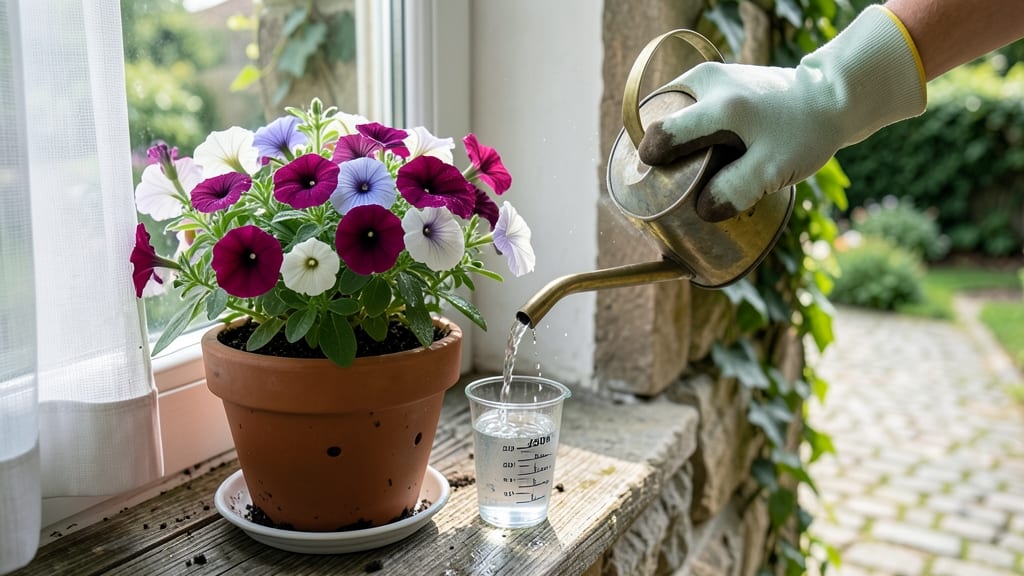
To water flowers in pots the right way, check soil moisture every 1-3 days—but timing depends on whether your 🌸 blooms are thirsty or drought-tolerant.
Struggling to keep your potted flowers alive? Overwatering or underwatering are the silent killers of container plants—and the soil-moisture check method is your secret weapon to perfect hydration.
Most potted flowers need consistent moisture, but succulents and tropical varieties have wildly different needs. A quick finger test (stick your finger an inch deep) tells you everything—dry soil means it’s time, while damp soil means wait.
Below, I break down the exact watering schedule by flower type, seasonal adjustments, and how to spot the early signs of stress before it’s too late.
The soil-moisture check method: exact steps to water flowers in pots
Watering potted flowers isn't about sticking to a rigid schedule—it's about understanding your plants' hydration needs through the soil-moisture check. Unlike in-ground plants, container flowers dry out faster because their roots have limited access to moisture.
The key is testing the right depth in the soil, not just the surface. I've perfected this method after years of trial-and-error with my annual petunias and succulent collections, and it's the difference between thriving blooms and sad, wilted stems.
Most gardeners make the mistake of watering based on time rather than soil conditions. For example, I used to water my geraniums every morning without checking—until I noticed the leaves turning yellow from overwatering.
The solution? A simple, science-backed moisture test that adapts to your flower type, pot size, and climate conditions. This method works for everything from thirsty impatiens to drought-tolerant lavender.
Choose Your Test Tool
Use your finger for most flowers or a wooden dowel/pen for deep-rooted varieties. I prefer a clean chopstick for my orchids because it reaches the bottom of the pot without disturbing the roots.
Insert at the Right Depth
Annuals/Perennials: 1-2 inches deep
Succulents/Cacti: 3-4 inches deep
Large Pots (10"+): 2-3 inches deep
Check Moisture Level
Dry: Pulls out clean (water immediately)
Moist: Slightly damp but not wet (wait 1-2 days)
Wet: Water beads on tool (wait 3+ days)
Adjust for Flower Type
Thirsty Flowers: (Petunias, Marigolds) - Water when top ½ inch is dry
Moderate Flowers: (Geraniums, Snapdragons) - Water when 1 inch is dry
Drought-Tolerant: (Lavender, Succulents) - Water when 2+ inches is dry
Water Properly
Water until 20-30% more drains from the bottom. For my 12-inch pots, that's about 1-2 cups of water. Always water in the morning to prevent fungal growth.
I learned the hard way that surface-level checks are unreliable. One summer, my fuchsia plants looked thirsty at the top of the soil, but when I checked deeper, the roots were still happy with moisture.
That's why this method emphasizes testing at the root zone depth. For most potted flowers, that means going beyond the fluffy top layer where evaporation happens fastest.
Your climate zone plays a huge role in how often you'll need to water. In Zone 9 where I garden, my pansies need watering every morning in summer, while my winter jasmine only needs attention every 10 days in cooler months.
Pay attention to local humidity—dry air means faster evaporation, so I check my soil moisture daily during heatwaves, even if it's not yet time based on my usual schedule.
Don't forget that pot material affects moisture retention. Terracotta pots dry out fastest because they're porous, while plastic holds moisture longer. I keep my succulents in terracotta to prevent rot, but my ferns thrive in self-watering ceramic pots.
Always adjust your testing depth based on your container type—deeper pots need deeper checks, while shallow saucers may only need surface tests.
One pro tip I swear by: Keep a watering journal for your potted flowers. Note when you water, how much, and the soil conditions. After a month, you'll spot patterns.
For example, I discovered my bromeliads only need watering when the outer leaves start curling, not based on a fixed schedule. This personalized approach saves time and keeps your flowers healthier than generic advice ever could.
Remember that newly potted flowers need more frequent checks because their roots are adjusting. The first 2-3 weeks after repotting, I test the soil every other day, even if it feels dry. This helps prevent transplant shock from sudden moisture changes.
For established plants, stick to your 1-2 inch depth test and adjust based on the results—your flowers will thank you with longer blooming seasons and vibrant colors.
If you're still unsure, here's my foolproof rule: When in doubt, wait one more
Watering frequency by flower type: custom schedules for potted plants
Not all potted flowers have the same thirst levels—petunias beg for water while succulents scream for drought. The key? Understanding your plants' native environments and adjusting for humidity, seasonal heat, and pot size.
My 5-gallon pots dry out faster than hanging baskets, so I always check soil moisture before watering. Let’s break down the science-backed schedules for your most common potted bloomers.
First, consider your local climate. In Zone 7a, my geraniums need daily watering in July, but the same plants might only need every 3 days in a humid coastal garden.
Always adjust for rainfall—skip watering if your plants got soaked the night before. Pro tip: Group plants with similar water needs together to streamline care.
| Flower Type | Watering Schedule (Summer) | Watering Schedule (Winter) | Key Adjustments |
|---|---|---|---|
| Petunias | Every 1-2 days (morning) | Every 7-10 days | Drought = wilting; soggy soil = root rot |
| Geraniums | Every 2-3 days | Every 10-14 days | Drought-tolerant but hates wet feet |
| Ferns (Boston, Maidenhair) | Every 2-3 days (keep soil moist) | Every 5-7 days | Brown fronds = underwatering or fluoride in water |
| Succulents (Echeveria, Snake Plant) | Every 10-14 days (deep soak) | Every 30-45 days | Yellow leaves = overwatering; wrinkled = thirsty |
For petunias and geraniums, I use the "knuckle test": Stick your finger 1 inch into the soil. If it feels dry at that depth, it’s time to water.
These thirsty annuals wilt fast in hot afternoons, so I always water in the early morning to prevent fungal diseases. In high humidity (like my Florida balcony), I reduce frequency by 20% to avoid fungal issues.
Ferns are the divas of moisture. They demand consistently damp soil but never soggy. I use a spray bottle for daily misting in summer and switch to bottom-watering in winter to prevent cold roots.
If your fern’s fronds turn crispy, it’s begging for hydration—but if they’re yellow and mushy, you’ve drowned it. Succulents, on the other hand, store water in their leaves, so I let their soil dry completely between waterings. Overwatering is their #1 killer.
Seasonal shifts matter more than you think. In summer, my pots dry out in 24 hours under direct sun, but in winter, I cut back to weekly checks even for thirsty plants.
Use mulch (like pebbles or bark) to slow evaporation in summer and insulate roots in winter. And always check drainage holes—clogged pots are a death sentence for container flowers.
Pro move: Label your pots with watering schedules and last-watered dates. I use colorful plant markers to track each type’s needs. With this system, my blooms stay vibrant, and my root rot cases drop to zero.
Now go test that soil—your flowers will thank you with nonstop blooms! 🌸