
Watering
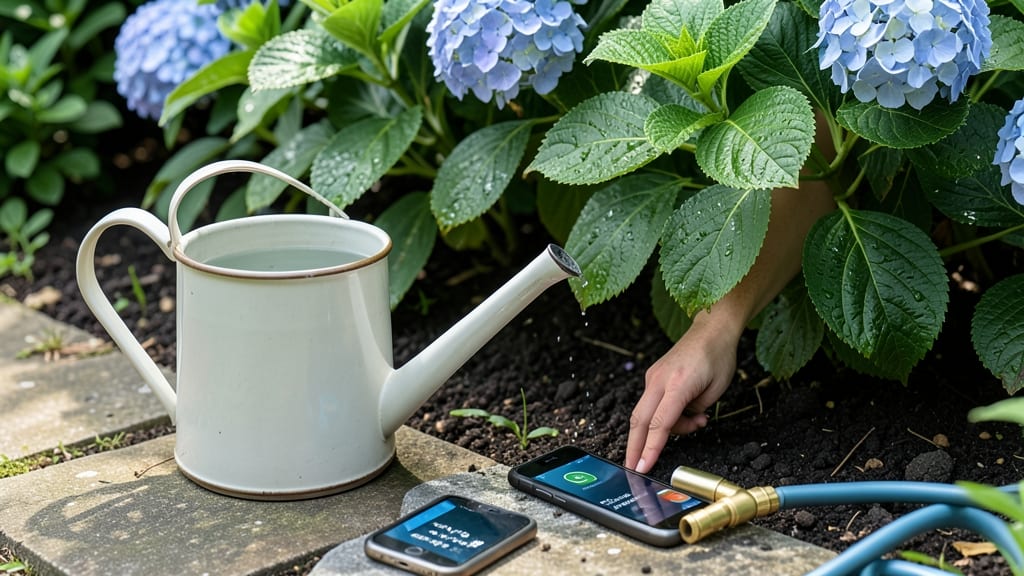
Watering outdoor flowers the right way means knowing how often they need moisture—too much or too little can stifle growth or invite disease.
Struggling to keep your 🌸 thriving? Overwatering or underwatering can both kill your plants—so knowing the exact watering schedule for your garden is non-negotiable.
Soil type, season, and even the type of flower play a huge role in how often you should water. Sandy soil drains fast, while clay holds moisture for days, and summer heat demands more frequent watering than spring.
This guide breaks down the science behind watering outdoor flowers, so you can adjust your routine based on your garden’s unique needs and keep those blooms vibrant all season.
Watering frequency by soil type: clay vs. sandy vs. loamy soil
Your garden’s soil type is the #1 factor determining how often you need to water your outdoor flowers. The three main types—clay, sandy, and loamy—behave completely differently when it comes to water retention and drainage.
Get this wrong, and you’ll either drown your plants or watch them wilt from thirst. Let’s break down the science so you can water like a pro.
Clay soil is the water-hog of the gardening world—it clings to moisture like a sponge, creating a compacted layer that suffocates roots if overwatered. Sandy soil, on the other hand, drains so quickly that your flowers might as well be planted in a desert.
Meanwhile, loamy soil strikes the perfect balance, holding just enough moisture while allowing excess to drain away. Knowing which type you have means you’ll never guesswork your watering schedule again.
Here’s the golden rule: Check soil moisture before watering. Stick your finger 1–2 inches deep into the soil. If it’s dry, it’s time to water. If it’s damp, hold off. This simple trick saves 90% of overwatering mistakes I see in gardens.
Now, let’s dive into the exact watering schedules for each soil type, plus how to tell if you’re doing it right.
🌱 Pro Tip: If you’re unsure about your soil type, do the jar test. Fill a jar with soil and water, then shake it. Clay stays suspended, sand settles immediately, and loam layers gradually. Easy peasy!
Now that you’ve got the baseline watering schedule, let’s talk about how to fine-tune it for your specific flowers. For example, succulents in sandy soil might only need water every 10–14 days, while hydrangeas in clay soil could drown if watered more than once every 10 days.
Always match the plant’s needs to the soil’s behavior.
One of my biggest watering mistakes early on was assuming all flowers needed the same care. I once killed a batch of petunias because I treated their sandy soil like loam and watered them too much.
Lesson learned: soil type rules. If you’re still unsure, grab a moisture meter—it’s a game-changer for avoiding guesswork.
Watch for these red flags to adjust your routine:
- Leaves turning yellow? You’re overwatering.
- Leaves crisping or wilting? You’re underwatering.
- Mold or fungus on soil? Cut back immediately.
For container-grown flowers, the rules shift slightly. Potted soil dries out 3x faster than in-ground soil, so even clay pots may need watering every 5–7 days.
Use your finger test here too—stick it in the pot until you hit the drain hole. If it’s dry, water thoroughly until it drains from the bottom.
Finally, mulch is your best friend for regulating moisture. A 2–3 inch layer of organic mulch (like straw or wood chips) keeps soil cool and moist in sandy soil, and prevents clay soil from drying out too quickly in hot weather.
It’s a simple hack that cuts your watering time in half.
Mastering watering by soil type is all about observation and consistency. Start with the
Seasonal watering schedule: adjusting for spring, summer, fall, and winter
Your outdoor flowers don’t need the same watering routine year-round. Seasonal changes dramatically impact soil moisture and plant needs, so adjusting your schedule keeps your blooms thriving. Spring calls for moderate watering as roots establish, while summer’s heat demands daily checks to prevent wilting.
Fall slows growth, so you taper back, and winter often means minimal watering—unless you’re in a mild climate. Let’s break down the exact adjustments for each season.
Understanding these shifts helps you avoid two common mistakes: overwatering in winter (which rots roots) or underwatering in summer (which causes stress). The key is monitoring soil moisture with your finger—stick it 1–2 inches deep.
If it’s dry, water; if damp, wait. This simple test replaces guesswork and saves time. Seasonal tweaks also reduce waste and keep your garden healthy without extra effort.
For extreme heat, like 90°F+ days, group plants with similar needs together to water efficiently. Drought-tolerant varieties like yarrow or black-eyed Susans thrive with less water, while hydrangeas or roses may wilt without daily attention.
A drip irrigation system can automate summer care, delivering water slowly at the roots where it’s needed most.
Watch for signs of stress: Wilting leaves signal underwatering, while yellowing or mushy stems mean overwatering. Adjust your schedule weekly based on weather—rainy spells mean fewer waterings, while windy conditions increase evaporation. A rain gauge helps track natural precipitation so you don’t overcompensate.
Pro tip: Mulch heavily in summer to lock in moisture and cool roots. Use 2–3 inches of organic mulch like straw or shredded bark. In winter, remove mulch from tender perennials to prevent rot. These small tweaks make a big difference in your flowers’ resilience across seasons.
Remember, consistency is key. Stick to your seasonal schedule, and your outdoor flowers will reward you with longer blooms and healthier growth year after year. 🌸☀️💧