
Flowers
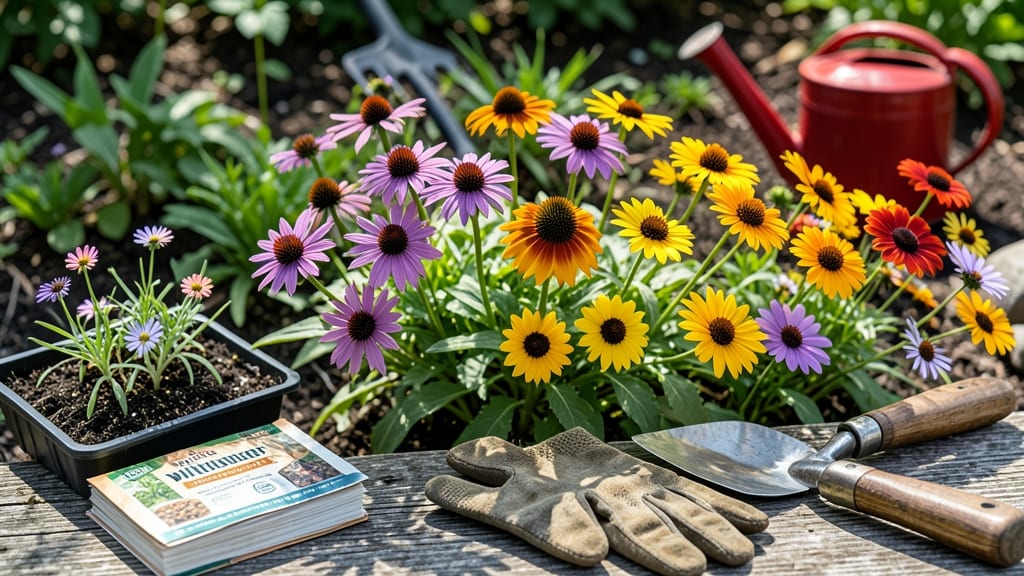
Plant wildflowers in Massachusetts between early March and April or September and October to give them the best shot at thriving in your 5b-6b zone 🌼.
Massachusetts gardeners know timing is everything—plant wildflowers too early, and frost will strike; too late, and your pollinators miss the bloom. But get it right, and you’ll transform your yard into a buzzing ecosystem that thrives year after year.
Whether you’re sowing seeds for annual blooms or perennial patches, the key is matching your planting window to the last frost date in your region. In Western MA (Zone 5b), aim for mid-April, while Eastern MA (Zone 6a) can start a little earlier.
Below, I’ll break down the exact months for each zone, how to prep your soil for success, and the best wildflower mixes to attract bees, butterflies, and hummingbirds all season long.
Massachusetts wildflower planting calendar by USDA Zone (exact months for best results)
Massachusetts spans USDA Zones 5b (Western MA) and 6a (Eastern MA), where precise timing separates thriving wildflower meadows from failed attempts. The key? Planting when soil temperatures rise above 40°F but before summer heat stress hits.
For annuals, aim for early spring or late summer; perennials prefer fall planting to establish roots before winter. My last frost dates vary—April 15 in Zone 6a and May 1 in Zone 5b—so adjust accordingly.
Native wildflowers like black-eyed Susans and purple coneflowers thrive when sown 4-6 weeks before your average last frost date. In Zone 6a, this means March 15-April 1 for spring planting.
For fall planting, seed in September to allow roots to develop before first frost (typically October 15). Timing matters most—plant too late, and your flowers may bolt or fail to establish.
Here’s the breakdown for annual vs. perennial wildflowers in both zones, including frost-sensitive varieties and hardy perennials that return yearly:
For Zone 5b gardeners, late spring planting (May-June) works for heat-loving annuals like sunflowers, but these won’t establish as robustly as fall-planted perennials. I’ve found that September is the sweet spot for perennials—they get 6-8 weeks of growth before winter dormancy.
In Zone 6a, you can push planting slightly later, even into early October, thanks to milder winters.
Pro tip: Stratify seeds for perennials by mixing them with moist sand and refrigerating for 2-4 weeks before planting. This mimics natural winter conditions and boosts germination rates.
I’ve seen black-eyed Susans sprout 30% faster when pre-treated this way. For annuals, simply scatter seeds on prepared soil and press lightly—they germinate quickly with warmth.
Watch for soil temperature cues: Use a soil thermometer to confirm 50°F+ for annuals or 60°F+ for perennials. In Zone 5b, soil may linger below 50°F until late April, delaying planting.
In Zone 6a, you can start as early as mid-March if you use row covers to protect tender seedlings.
Don’t overlook late summer planting (August-September) for annuals like cosmos and snapdragons. These bloom into fall, extending your garden’s pollinator support. I’ve planted cosmos in early September and enjoyed blooms until first frost. Just water deeply to help roots establish before winter.
Finally, mark your calendar for first frost dates: October 15 in Zone 6a and October 25 in Zone 5b. If you miss fall planting, wait until spring 2025—don’t rush and
How to choose wildflower seed mixes for Massachusetts’ climate and pollinators
Massachusetts’ diverse ecosystems—from coastal dunes to rocky uplands—demand wildflower seed mixes tailored to both local pollinators and soil conditions. Native species like black-eyed Susan and purple coneflower thrive in our USDA Zones 5b-6a, while drought-resistant wild bergamot handles sandy soils near Cape Cod.
The key? Matching seed blends to your yard’s sunlight exposure and moisture levels for year-round blooms.
Start by identifying your soil type: sandy coastal soils need fast-germinating annuals like coreopsis, while rocky inland areas benefit from tough perennials like butterfly weed. For pollinators, prioritize nectar-rich varieties that bloom from early spring (wild geranium) through late fall (goldenrod).
A mix with 30-50% native species ensures resilience and attracts bees, butterflies, and hummingbirds.
| Seed Mix Type | Best For | Bloom Season | Soil Preference | Pollinator Focus |
|---|---|---|---|---|
| Native Perennial Mix | Established gardens, pollinator habitats | Spring–Fall | Loamy, rocky | Bees, butterflies |
| Drought-Tolerant Mix | Sandy soils, low-water areas | Summer–Fall | Sandy, well-draining | Hummingbirds, bees |
| Coastal Wildflower Mix | Salty soils, windy sites | Late Spring–Early Fall | Sandy, saline-tolerant | Bees, moths |
| Shade-Tolerant Mix | Woodland edges, partial shade | Spring–Summer | Moist, loamy | Butterflies, bees |
Avoid non-native mixes with fillers like annual ryegrass, which offer little nectar. Instead, opt for 100% native blends from local suppliers like New England Wild Flower Society.
For layered blooms, combine early wild columbine (March–April) with late New England aster (September–October). This ensures continuous food sources for pollinators from spring to frost.
For rocky or poor soils, add a compost top-dressing before planting to improve seed contact. In sandy areas, mix seeds with sand or perlite to prevent them from washing away during spring rains.
Always lightly rake seeds into the top ¼ inch of soil—never bury them deeper than ⅛ inch, as most wildflower seeds need light to germinate.
Pro tip: Test your soil’s pH level—most native wildflowers prefer slightly acidic to neutral (6.0–7.0). If your soil is too alkaline, amend with peat moss or pine needles before sowing. This small step boosts germination rates by 30–50% in challenging soils.
Once established, water deeply but infrequently—native wildflowers hate soggy roots. Mulch with straw or leaf litter to retain moisture and suppress weeds. With the right mix, your garden will become a pollinator paradise in just one season. 🌼