
Flowers
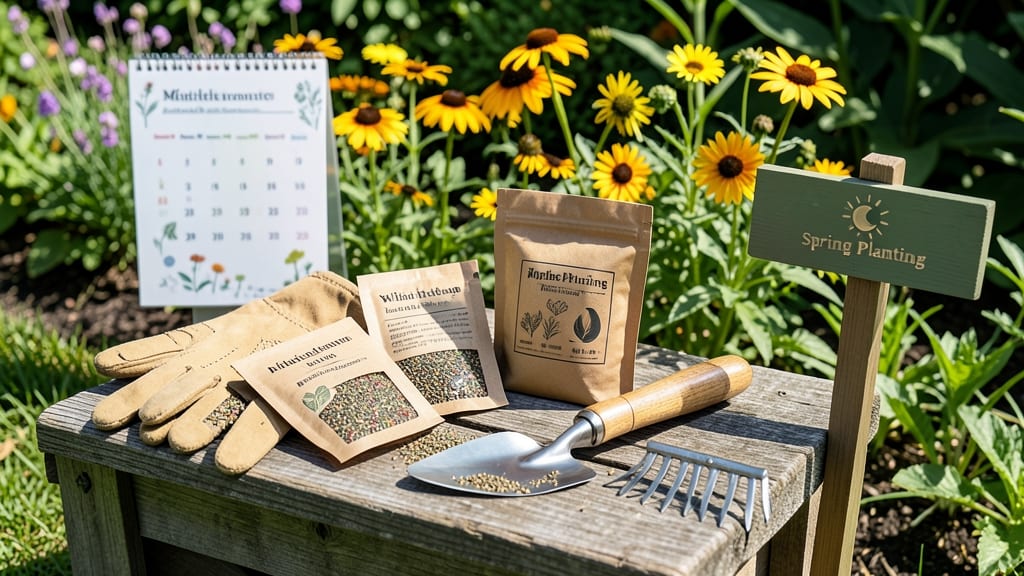
To plant wildflowers in Michigan, aim for early spring when soil temperatures hit 50°F—typically mid-March through April—before the last frost hits your region.
Michigan’s unpredictable spring weather can make wildflower planting a guessing game—but timing is everything for vibrant blooms that last all season. One wrong move, like planting too early, can leave seeds vulnerable to frost, while waiting too long risks summer drought stress.
In USDA Zones 5B-6B, the best window stretches from March to September, with early spring and late summer being the sweet spots. Native varieties like black-eyed Susans and coneflowers thrive when planted in well-prepared soil, while non-natives may need a little extra care to adjust to Michigan’s shifting seasons.
Below, I’ll break down the exact months to plant by region, soil prep tips, and how to choose the right wildflowers for your Michigan garden—so you can enjoy a season-long display of color without the guesswork.
Optimal wildflower planting months in Michigan (zone 5B/6A)
Michigan’s USDA Zones 5B/6A offer a short but sweet growing season for wildflowers, where timing directly impacts bloom success. I’ve planted wildflowers for years in Southern Michigan, and I’ve learned that spring and fall are the golden windows—but each has unique advantages for seeds versus transplants.
The key is understanding your last frost date (typically mid-April in most regions) and soil temperature (aim for 50°F+ for seeds). Northern Michigan gardeners should adjust by 1-2 weeks later, while southern areas can plant slightly earlier. Let’s break down the best months for each method.
| Planting Method | Best Months (Zone 5B/6A) | Soil Temp Requirement | Key Advantages | Microclimate Adjustments |
|---|---|---|---|---|
| Direct-Seeded Wildflowers | Late April - Early June | 50°F+ (consistent) | Lower cost, better biodiversity, self-sustaining | Northern MI: Wait until May 1; Southern MI: Can start April 15 |
| Spring Transplants | April - Mid-May | 45°F+ (hardy varieties) | Faster establishment, larger blooms sooner | Avoid after last frost; use row covers if late |
| Fall-Seeded Wildflowers | September - Early October | 40°F+ (cool season types) | Reduced weeds, better root growth, spring blooms | Northern MI: Plant by September 15; Southern MI: Can extend to October 10 |
| Fall Transplants | September | 50°F+ (established roots) | Strong root systems before winter | Stop by first frost (usually October 15) |
For direct seeding, I recommend starting in late April when soil temperatures consistently stay above 50°F. This gives seeds time to germinate before summer heat arrives.
I’ve had the best success with native Michigan wildflowers like black-eyed Susan and purple coneflower when planted this way—they establish deeper roots and handle our dry summers better.
If you prefer transplants, early spring (April) is ideal for hardy perennials, while fall (September) works well for cool-season annuals. I planted cosmos and zinnias as transplants in May last year, and they bloomed within 6 weeks—a huge advantage over seeded varieties.
Just be sure to harden off transplants for 7-10 days before setting them out.
Fall planting is often overlooked but offers major advantages for Michigan gardeners. Seeding in September gives wildflowers time to germinate and develop roots before winter, resulting in earlier and more vigorous blooms the following spring.
I’ve seen milkweed and butterfly weed thrive when planted this way, especially in sandy soils common in Southern Michigan.
Regional microclimates play a huge role in Michigan. Northern Michigan (Zone 5B) should delay planting by 1-2 weeks compared to Southern Michigan (Zone 6A). For example, if you’re in Traverse City, wait until May 1 for direct seeding, while Detroit gardeners can start as early as April 15.
Elevation also matters—hilltops stay colder longer, while valleys warm up faster.
Another pro tip: Pre-treat your soil in early spring by loosening the top 6 inches and mixing in compost. Wildflowers thrive in well-draining soil, so avoid heavy clay areas unless amended.
I’ve had great luck adding sand and peat moss to improve drainage in wet spring conditions, which are common across Michigan.
For annual wildflowers, you can extend the season by making late summer plantings (around August 1) for fall blooms. I planted sunflowers and marigolds this way last year, and they flourished until first frost.
Just be sure to water deeply after planting to help roots establish before cooler weather arrives.
Finally, don’t forget about wildflower meadows—these benefit from large-scale fall seeding (late September) to outcompete weeds. I’ve seen stunning results in open fields where native grasses and wildflowers were sown together. The key is minimal disturbance after planting to let seeds make contact with soil.
How soil temperature and weather affect Michigan wildflower success
Michigan’s wildflowers thrive when planted at the right time, but soil temperature and weather patterns can make or break their success. Most wildflower seeds need soil to warm to at least 50°F before germinating—this usually happens in late April to early May across most of the state.
However, frost dates vary by region, so timing is everything for vibrant blooms.
Northern Michigan (Zone 5B) often waits until mid-May for safe planting, while southern areas (Zone 6A) can start as early as late April. Wet springs are common in Michigan, which can delay planting—so always check soil moisture before sowing seeds. Dry summers also affect watering needs, making drought-tolerant varieties like black-eyed Susans and coneflowers ideal choices.
If you plant too early, frost damage can kill seedlings. Use a soil thermometer to confirm temperatures are stable above 50°F for at least 5 days before sowing.
In northern Michigan, aim for late May to avoid late frosts, while southern Michigan gardeners can start as early as April 15 in sheltered areas.
Michigan’s wet springs can create soggy soil, which slows germination. To adjust, plant in raised beds or on slightly elevated ground to improve drainage. If your soil stays too wet, delay planting until the ground dries out—even if it means waiting until June.
For dry summers, mulch around plants to retain moisture and reduce watering needs.
Native wildflowers like purple coneflower and butterfly weed are best planted in early spring (March-April) for full-season blooms. If you miss that window, fall planting (September-October) works too—seeds will establish roots before winter. Just avoid planting in extreme heat (above 85°F), as it can stress young seedlings.
Adjust your planting strategy based on local microclimates. Urban areas often stay warmer than rural spots, while wooded edges may experience later frosts. Always check frost-free date maps for your specific county to fine-tune timing.
With the right approach, Michigan’s wildflowers will reward you with colorful blooms from summer to fall.