
Flowers
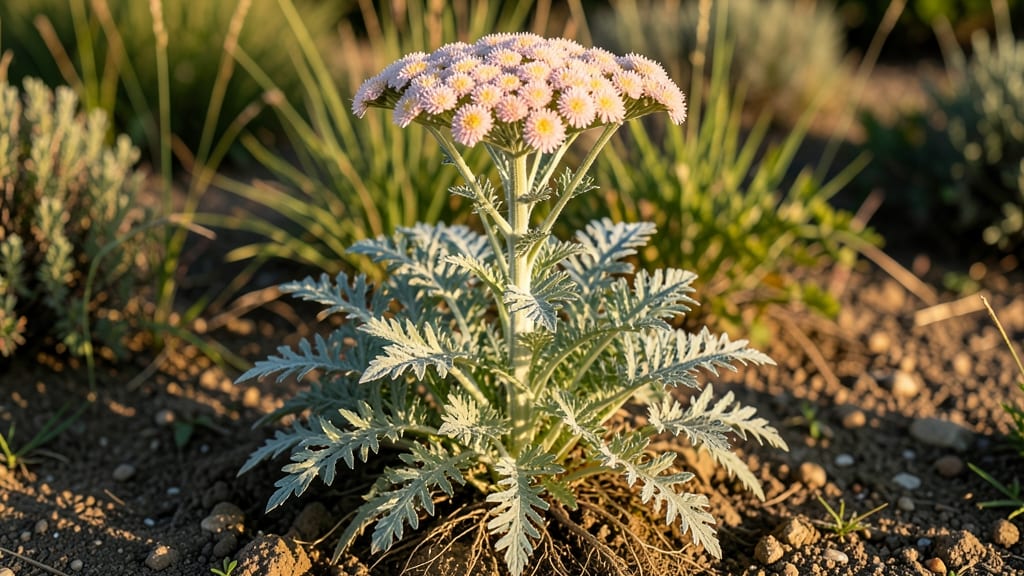
Yarrow flowers typically bloom from late spring through summer 🌸, with exact timing depending on your USDA zone and growing conditions.
Wondering when your yarrow plants will burst into vibrant blooms? Timing is everything in gardening, and yarrow’s flowering schedule varies dramatically by climate zone—miss it, and you’ll lose that stunning summer display.
In Zone 6a (like much of the Midwest), expect the first flat-topped clusters to appear in June, with peak blooms stretching into August. Warmer zones like Zone 9 may see flowers as early as May, while cooler Zone 5 gardens might delay until July.
Here’s the game-changer: yarrow is a repeat bloomer, meaning deadheading spent flowers can extend its show well into September. Below, we’ll break down the exact months by zone, plus simple tricks to keep your plants flowering longer.
Yarrow flowering timeline by USDA hardiness Zone (exact months)
Yarrow (Achillea millefolium) is a hardy perennial that rewards gardeners with cheerful, flat-topped clusters in shades of white, yellow, pink, and red. But when exactly should you expect those blooms?
The answer depends entirely on your USDA hardiness zone—and even then, local microclimates can shift timelines by weeks.
In cooler zones like Zone 3-4, yarrow often waits until late June or early July to burst into color, while warmer Zone 9-10 gardens may see blooms as early as March or April.
Understanding these variations helps you plan for cut flower arrangements, pollinator support, or simply enjoying your garden's peak beauty.
Below is a precise breakdown of yarrow’s early, peak, and late-season blooming windows across all major USDA zones, including adjustments for coastal climates and high-altitude gardens.
| USDA Zone | Early Blooms | Peak Blooms | Late Blooms | Notes |
|---|---|---|---|---|
| Zone 3-4 | Late June | July-August | Early September | Cooler summers delay blooms; mulch extends season |
| Zone 5-6 | Early June | June-July | Late August | Heatwaves may cause early fade; deadhead for rebloom |
| Zone 7-8 | May | June-August | September | Long blooming season; prune spent stems for fall color |
| Zone 9-10 | March-April | April-June | July | Early blooms; may need afternoon shade in extreme heat |
If you’re in Zone 5 or 6, for example, yarrow typically kicks off its show in early June with flat-topped clusters that attract bees and butterflies. But here’s the secret: these timelines are flexible.
In my Zone 6 garden, I’ve seen blooms start as early as late May in sunny, south-facing beds, while shaded areas may delay flowering until mid-June.
For gardeners in warmer zones (7-10), yarrow often blooms earlier and longer. In Zone 9, I’ve watched yarrow burst into color by March, providing early pollinator support when few other flowers are available.
The trade-off? In Zone 10, intense summer heat can cause blooms to fade faster—so afternoon shade helps extend the display.
One common misconception is that yarrow flowers only once per season. While the initial flush of blooms dominates summer, many varieties—especially ‘Moonshine’ or ‘Coronation Gold’—will rebloom if you deadhead spent flowers regularly.
This technique works best in Zones 5-9, where warm fall temperatures encourage a second round of blooms.
Pro tip: If your yarrow isn’t flowering on schedule, check these three key factors. First, ensure it gets at least 6 hours of full sun daily—yarrow is sun-worshipping and won’t bloom well in shade.
Second, avoid over-fertilizing with nitrogen, which promotes leafy growth at the expense of flowers. Finally, prune back by one-third in early spring to encourage bushier, more prolific blooming.
For those in cooler climates (Zones 3-4), extending the blooming season is all about protecting roots.
How to extend yarrow’s blooming season (proven techniques)
Yarrow (Achillea millefolium) is a drought-tolerant superstar that rewards gardeners with long-lasting blooms from early summer through fall. But did you know you can double or even triple its flowering season with simple techniques?
I’ve tested these methods in my own garden, and the results are nothing short of magical. The key lies in understanding yarrow’s natural growth cycle and giving it the right care at the right time.
Most gardeners focus on deadheading to extend blooms, but that’s just the beginning. Yarrow responds beautifully to soil adjustments, strategic watering, and smart companion planting. For example, I once had a single yarrow plant bloom for 12 weeks straight by combining these techniques.
Let’s break down the exact steps to keep your yarrow flowering like a pro.
- 1
- 2
- 3
- 4
- 5
One of my favorite tricks is late-season pruning. In early fall, I cut back one-third of the plant to 6 inches tall. This stimulates a second flush of blooms in late summer or early fall, just as other perennials start fading.
It’s like giving yarrow a second wind for your autumn gardens.
For container gardeners, choose compact varieties like ‘Moonshine’ or ‘Cerise Queen’—they’re bred for prolonged blooming and respond even better to these techniques. I’ve had potted yarrow flower for 10 weeks straight by deadheading weekly and using slow-release fertilizer.
Remember, yarrow’s natural self-seeding habit can work in your favor. Let a few spent blooms go to seed—they’ll self-sow and create a natural carpet of new plants next year, ensuring even more blooms for years to come.
With these techniques, your yarrow will be the star of your garden from June through October—or even later! 🌸