
Plants
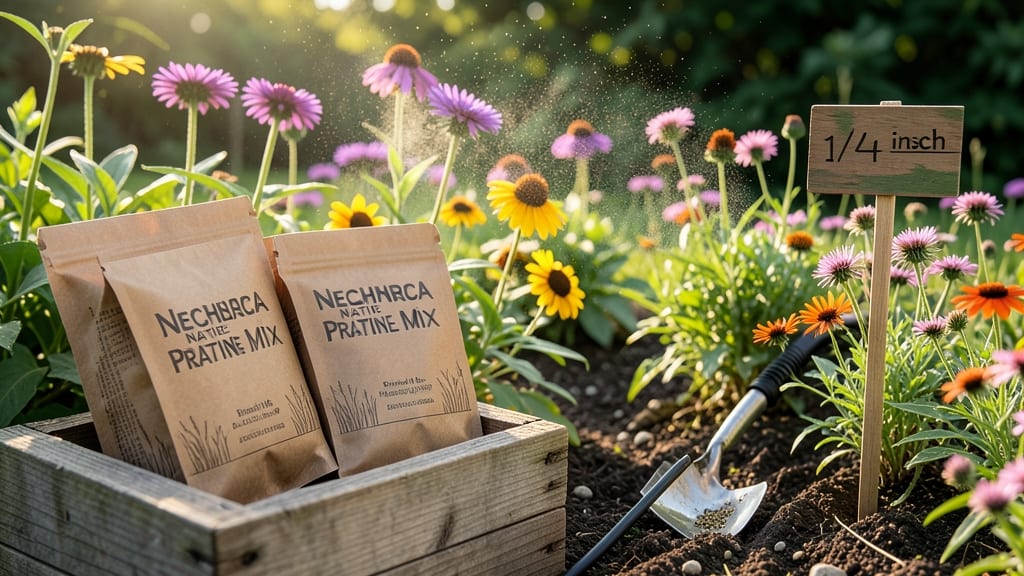
Planting wildflower seeds in Nebraska at the right time is the key to a burst of color that lasts from spring to fall 🌼 — and missing the window can leave you with bare soil instead of blooms.
Nebraska’s unpredictable climate can make wildflower gardening tricky, but the secret is all about timing. Whether you’re sowing in the cool shoulder of fall or the fresh start of spring, getting it right means fewer weeds and more vibrant meadows that thrive year after year.
In USDA Zone 5B, the best planting windows are late August to early October for fall or early April to mid-May for spring. These periods give seeds the perfect balance of moisture and temperature to sprout before winter or summer’s heat sets in.
Below, I’ll break down the exact frost dates by region, how to prep your soil, and which native wildflowers bloom best when planted at the right time — so you can skip the guesswork and enjoy a low-maintenance garden that hummingbirds and butterflies will love.
Best planting windows for Nebraska wildflowers by USDA Zone 5B-6A
Nebraska’s USDA Zones 5B-6A offer two prime windows for planting wildflower seeds: fall and spring. The Nebraska State Climate Office confirms that timing matters—plant too early, and seeds may rot; too late, and they’ll struggle to establish before winter.
Understanding your last frost date (typically April 15) and first frost date (around October 15) is key to success.
For Zone 5B (e.g., Omaha, Lincoln), aim for late August to early October for fall planting, while Zone 6A (e.g., Kearney, Hastings) can extend this window slightly into mid-October.
Spring planting should start 4-6 weeks before your last frost date, so early April to mid-May works best across both zones. These windows ensure seeds germinate in soil temperatures between 50°F and 70°F, ideal for most Nebraska wildflowers.
Regional variations matter: Western Nebraska (Zone 6A) enjoys earlier springs and longer growing seasons, while Eastern Nebraska (Zone 5B) faces cooler soils and shorter windows. Always check local frost data—your county extension office can provide precise dates for your area.
| Planting Window | USDA Zone | Soil Temp Range | Key Consideration | Action Steps |
|---|---|---|---|---|
| Late August - Early October | 5B (Omaha, Lincoln) | 50°F - 65°F | Avoid early frosts | Scatter seeds, rake lightly, water |
| Mid-August - Mid-October | 6A (Kearney, Hastings) | 55°F - 70°F | Longer growing season | Stratify seeds if needed |
| Early April - Mid-May | Both Zones | 50°F - 60°F | Prevent erosion | Test soil moisture, mulch |
| Late September - Early November | Zone 6A Only | 45°F - 55°F | Winter dormancy prep | Cover with straw |
Fall planting is my top recommendation for Nebraska wildflowers because seeds germinate in cool soil and establish roots before winter. This method reduces spring competition from weeds and ensures a stronger start. For spring planting, focus on early April to give seeds time to germinate before summer heat arrives.
Soil temperature is critical—most wildflower seeds need consistent 50°F+ soils to sprout. Use a soil thermometer to monitor conditions. In Zone 5B, wait until mid-September for fall planting to avoid early frosts, while Zone 6A gardeners can start as early as late August.
Preparing your site is just as important as timing. Clear existing vegetation, loosen the top 2 inches of soil, and rake the area smooth. Wildflowers thrive in well-draining soil, so avoid compacted or waterlogged spots. A light compost amendment (like leaf mold) improves germination without over-fertilizing.
After sowing, lightly water the area to settle seeds into the soil. Avoid heavy watering, which can bury seeds too deeply. Mulch with straw or leaves to retain moisture and protect seeds from winter winds or spring droughts.
This step is especially crucial in Zone 5B, where winters are harsher.
For spring-planted seeds, keep the soil consistently moist until germination (usually 2-4 weeks). Once seedlings appear, reduce watering to once weekly to encourage deep root growth. In Zone 6A, where summers are drier, consider installing a drip irrigation system for the first growing season.
Remember,
Spring vs. fall planting: which works best for Nebraska wildflowers?
Deciding between spring and fall planting for Nebraska wildflowers depends on your local microclimate and the specific species you’re growing. Both seasons offer unique advantages, but Nebraska’s dry spells and early freezes can make one option significantly more reliable than the other.
Fall planting, typically from late August to early October, allows seeds to establish roots before winter dormancy. This method often results in stronger germination the following spring because seeds get a head start on growth during cooler months.
However, Nebraska’s unpredictable fall rainfall can sometimes leave seeds too dry to sprout properly.
Pros & Cons of Planting Wildflower Seeds in Nebraska
- ✅ More reliable spring moisture for germination
- ✅ Better for late-blooming species
- ✅ Easier to monitor young plants
- ❌ Risk of drought stress in early summer
- ❌ Competition from weeds if planted too late
- ❌ Slower establishment compared to fall
- ✅ Seeds stratify naturally over winter
- ✅ Stronger root development before spring
- ✅ Fewer weed competitors early on
- ❌ Dry fall conditions can fail germination
- ❌ Early frost risks if planted too late
- ❌ Less control over soil moisture
For Nebraska’s USDA Zone 5B-6A, I recommend prioritizing fall planting in years with average rainfall, as it aligns with natural seed dispersal cycles. However, if your area experiences prolonged dry spells in autumn, spring planting may be safer.
Always test soil moisture before committing to fall sowing—aim for 1 inch of water per week leading up to planting.
To overcome Nebraska’s challenges, I suggest pre-soaking seeds before fall planting and using a light mulch (like straw) to retain moisture. For spring planting, start seeds indoors in late March to give them a jump on the growing season.
Both methods work, but fall planting often yields more robust blooms in the first year.
If you’re unsure which season suits your garden, try a split-test approach: plant half your seeds in fall and half in spring. This way, you’ll see firsthand which method performs better in your specific microclimate. Nebraska’s wildflowers are resilient, but timing makes all the difference!
🌱