
Plants
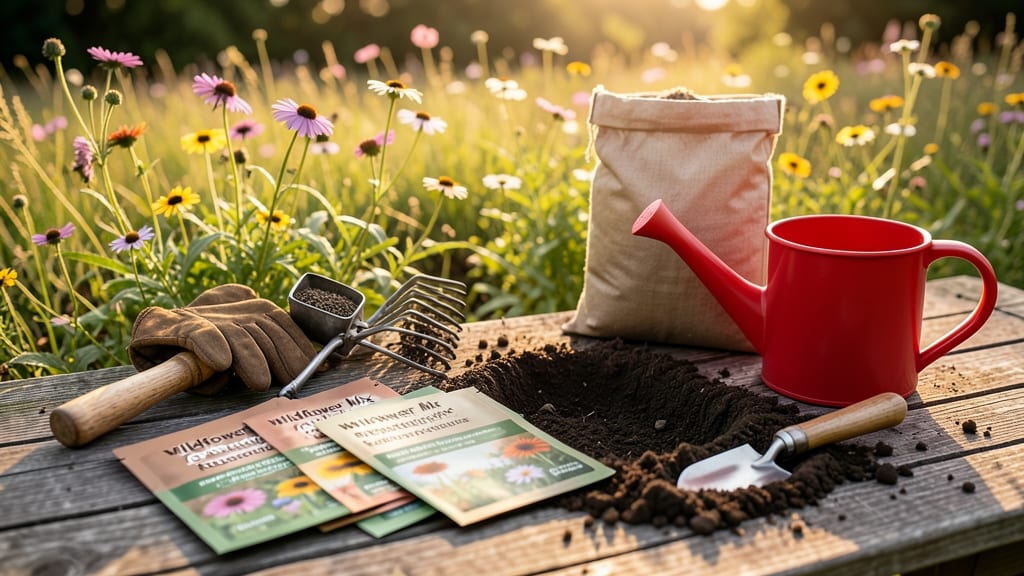
To plant wildflower seeds in Connecticut, aim for late March to early May or August to September, when soil temperatures are just right for germination.
Struggling to time your wildflower planting in Connecticut? Planting at the wrong time can mean sparse blooms—or no flowers at all. Connecticut’s unique climate zones demand precision, and this guide reveals the exact windows for success.
In zones 5b-6b, spring planting lets you catch the first wave of blooms, while fall planting gives seeds a head start before winter. Coastal areas may have slightly different frost dates than inland spots, so knowing your microclimate is key.
Below, I’ll break down the best months for annuals vs. perennials, soil prep tips, and how to avoid common mistakes that kill germination in Connecticut gardens.
Best planting months for wildflowers in Connecticut’s climate zones 5-7
Connecticut’s climate zones 5-7 create unique challenges for wildflower planting. Unlike warmer regions, our late frosts and variable spring temperatures demand precise timing. Planting too early risks seed rot, while waiting too long may delay blooms.
The key is understanding how soil temperatures and frost dates interact with your specific zone.
Most Connecticut gardeners achieve the best results with two planting windows: early spring (after last frost) and fall (before first frost). However, zones 6b and 7a have slightly longer growing seasons, allowing for more flexibility. Let’s break down the optimal months for each zone to maximize your wildflower success.
🌱 Soil temperature is the most critical factor. Wildflower seeds typically need 50-60°F soil to germinate. In Connecticut, this usually occurs in late April to early May for spring planting. Fall planting benefits from 60-70°F soil, which aligns with August to early September in most zones.
For zone 5a, the northernmost region, I recommend focusing on fall planting (August-September) because spring can be unpredictable. The soil warms slower here, and seeds planted too early may rot.
In contrast, zone 7a gardeners have the luxury of planting as early as April for spring blooms, thanks to milder winters.
One common mistake I see is planting wildflowers too early in spring. Even if the air feels warm, soil temperatures may still be too cold for germination.
Use a soil thermometer to check—most wildflower seeds need at least 50°F for consistent sprouting. If you’re unsure, wait until mid-May for a safer bet in zones 5a-5b.
Fall planting offers advantages too. Seeds sown in August-September germinate in early spring when conditions are ideal. This method also helps avoid competition from weeds, which explode in growth during Connecticut’s warm springs. Plus, fall-planted seeds often establish deeper roots before winter.
Don’t forget about coastal vs. inland differences. Areas near Long Island Sound (like zone 6b-7a) tend to have milder winters and later frosts than inland zones.
If you live near the coast, you can push your spring planting to early April and extend fall planting into early October without risk.
Pro tip: If you’re planting mixed wildflower seeds, include a few cool-season annuals like lupine or sweet alyssum for early spring color. These varieties tolerate cooler temperatures and will bloom even if your main seeds take longer to germinate.
For late summer blooms, mix in black-eyed Susans or coneflowers, which thrive in Connecticut’s hot, humid summers.
Remember that soil preparation is just as important as timing. Loosen the top 2-3 inches of soil, remove weeds, and lightly rake the surface before scattering seeds. A light mulch (like straw) helps retain moisture during germination.
With the right timing and prep, your Connecticut wildflowers will reward you with vibrant blooms from spring to fall.
How to choose wildflower seed varieties for Connecticut’s seasonal blooms
Connecticut’s diverse climate zones and changing seasons create the perfect canvas for wildflowers, but selecting the right varieties ensures vibrant blooms from spring to fall. Annuals like black-eyed Susans and cosmos deliver instant color, while perennials such as coneflowers and bee balm return year after year with minimal effort.
Native species like purple coneflower and New England aster thrive with minimal care, supporting local pollinators while adapting to Connecticut’s humid summers and cold winters.
For early spring blooms, prioritize cold-hardy annuals like lupines and sweet alyssum, which tolerate late frosts and cool soil temperatures. These varieties germinate quickly in March-April, providing color when many gardens are still dormant.
In contrast, heat-tolerant perennials like black-eyed Susans and goldenrod shine in late summer, thriving under Connecticut’s intense July sun and high humidity.
Native wildflowers are the low-maintenance champions of Connecticut gardens, requiring no fertilizers and minimal watering once established. For example, New England aster blooms from August to October, extending your garden’s season long after other flowers fade.
Pair it with black-eyed Susans for a sun-loving duo that thrives in full sun and poor soil, making them ideal for wildflower meadows or native landscapes.
If you’re aiming for instant color, annual wildflowers like cosmos and marigolds are your best bet. These varieties germinate quickly and bloom within 6-8 weeks, perfect for filling gaps in your garden or creating seasonal borders.
For long-term beauty, invest in perennial mixes that include coneflowers, bee balm, and Russian sage. These plants return year after year, reducing the need for replanting and supporting local ecosystems.
Connecticut’s coastal regions (like New London) experience milder winters, allowing tender perennials like lavender and sage to thrive. Inland areas (such as Hartford) benefit from hardier varieties like purple coneflower and black-eyed Susans, which withstand colder temperatures and shorter growing seasons.
Always check the USDA zone of your specific location to ensure your chosen varieties match your climate conditions.
For a pollinator-friendly garden, focus on native species that provide nectar and habitat for bees, butterflies, and hummingbirds. Plant early bloomers like wild columbine in spring, followed by summer favorites like bee balm, and fall asters to keep pollinators fed throughout the season.
This sequential blooming strategy ensures your garden remains a lifeline for wildlife from April to October.
Start small with a wildflower patch or container garden to test what thrives in your yard. Mix annuals for instant color with perennials for longevity, and always prioritize native species to support local ecosystems.
With the right seed varieties and planting timing, your Connecticut garden can burst into color—season after season. 🌼