
Flowers
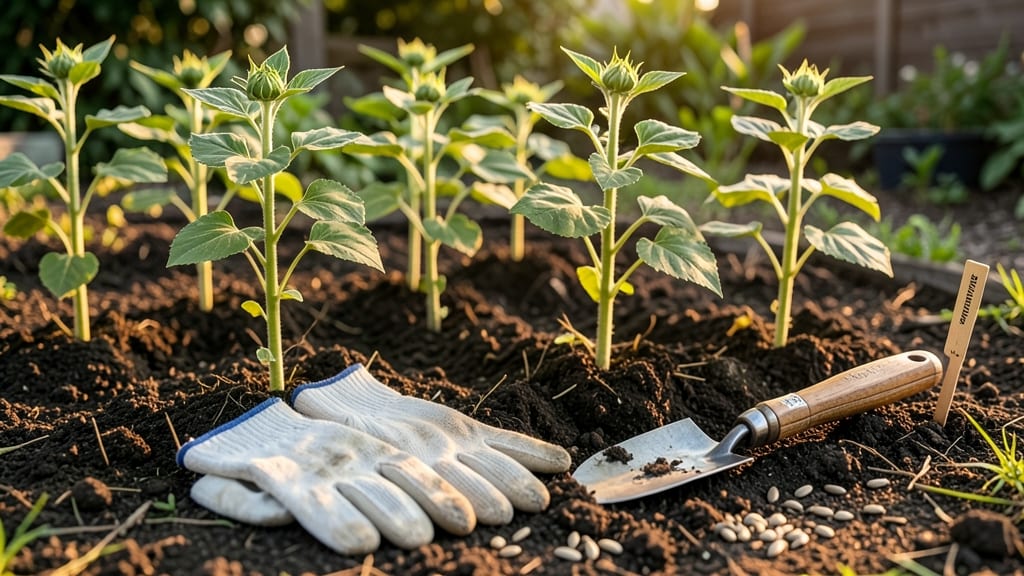
To plant sunflowers in Zone 7a, aim for April 15 to June 1 after the last frost—when soil temps hit 60°F and nights stay reliably warm.
Picture this: you’ve waited months for those towering 🌻 blooms, only to watch them bolt or wilt from a surprise frost. In Zone 7a, timing isn’t just about the calendar—it’s about matching sunflowers’ fast growth to your frost-free window.
Most varieties need 60–120 days to mature, so planting too early risks seedlings freezing, while late starts may leave them struggling in summer heat. The key? Adjust for your microclimate—whether that’s a sheltered spot or a windy corner.
Below, I’ll break down the perfect planting window, soil prep secrets, and how to stretch your blooms with staggered plantings—so you’re harvesting seeds by October instead of watching them fade.
Ideal planting windows for sunflowers in Zone 7a: frost dates & soil temps
In Zone 7a, sunflowers thrive when planted after the average last frost date of April 1, but timing depends on your specific microclimate. Soil temperatures must reach at least 60°F for optimal germination—any cooler, and your seeds may rot instead of sprout.
I’ve planted sunflowers for years in this zone, and I’ve learned that even a week off can delay blooms by 2-3 weeks. Let’s break down the best windows for both direct sowing and transplanting.
Most gardeners in Zone 7a aim to plant sunflowers between mid-April and early June, but the exact timing depends on whether you’re starting seeds indoors or sowing directly outside. Direct sowing is my preferred method because sunflowers dislike root disturbance, but transplants can work if done carefully.
The key is watching for consistent nighttime temperatures above 50°F—this signals it’s safe to plant without frost risk.
🌱 Here’s the summary table for your Zone 7a planting timeline:
For direct sowing, I recommend starting in mid-April when soil temperatures reliably stay above 60°F. This gives your sunflowers enough time to mature before the first frost in mid-October.
If you’re in a cooler microclimate within Zone 7a, like a valley or higher elevation, wait until late April to avoid frost damage. I’ve seen seedlings crisped overnight when planted too early!
If you’re transplanting sunflower seedlings, start them indoors 4-6 weeks before your last frost date (around March 1). Use biodegradable pots to avoid disturbing roots when moving them outside.
Harden off seedlings gradually by placing them outdoors for 1-2 hours daily starting 1 week before transplanting. This toughens their stems and reduces shock.
Zone 7a’s variable spring weather can throw off planting schedules, so I always check the 10-day forecast before sowing. If nighttime temperatures dip below 50°F after planting, cover seedlings with row fabric or a cloche to protect tender sprouts.
Even a single 28°F frost can kill young sunflowers, so don’t rush—patience pays off with taller, healthier stems.
For late-season plantings, aim for mid-June to early July to catch the longer daylight hours of summer. This works best with dwarf or semi-dwarf varieties like 'Moulin Rouge' or 'Autumn Beauty,' which bloom faster.
These sunflowers may not reach their full height but still produce stunning 3-5 foot blooms by September or October, extending your garden’s color palette.
One mistake I’ve made is planting sunflowers too close to summer’s peak heat (July-August). While sunflowers love full sun, extreme heat can cause bolting (rapid flowering) or blossom drop. To avoid this, choose heat-tolerant varieties like 'ProCut' or 'Russian Giant' and provide consistent moisture during dry spells.
Mulching with straw or wood chips helps retain soil moisture and keeps roots cool.
Pro tip: Use a soil thermometer to confirm temperatures before planting—60°F is non-negotiable for germination. If your soil is cooler, wait a few days or use black plastic mulch to warm it faster.
I’ve seen germination rates drop from 90% to 30% when planting in 55°F soil, so this tool is worth the investment for serious gardeners.
Finally, remember that sunflowers are annuals, so their entire life cycle must fit within your 180-day frost-free season in Zone 7a. Tall varieties like 'Russian Giant' need 90-120 days to mature, while dwarf types like 'Sunspot' mature in just 50-60 days.
Plan accordingly to avoid disappointment—nothing’s worse than watching a 10-foot sunflower bolt before it even opens!
Sunflower varieties & their unique planting times in Zone 7a
Not all sunflowers thrive on the same schedule in Zone 7a. Tall varieties need early starts to beat summer heat, while dwarf types can handle late plantings.
Understanding these differences helps you extend your blooming season from June to October. Let’s break down the best planting windows for each type to maximize your sunflower display.
In Zone 7a, the last frost date typically falls around April 15, but soil temperatures must reach 60°F+ for seeds to germinate. Early varieties like 'Teddy Bear' can handle cooler soils, while giant types like 'Mammoth' need warmer conditions.
This timing variance is why staggered plantings work so well—plant every 2 weeks from April to June for continuous blooms.
| Variety Type | Height Range | Optimal Planting Window (Zone 7a) | Heat Tolerance | Bloom Time |
|---|---|---|---|---|
| Dwarf (e.g., 'Teddy Bear') | 1-3 ft | April 15 - May 15 (handles cooler soils) | Moderate (needs afternoon shade in summer) | June - August |
| Semi-Dwarf (e.g., 'Moulin Rouge') | 3-6 ft | April 20 - May 10 (wait for 60°F+ soil) | High (thrives in summer heat) | July - September |
| Standard (e.g., 'Autumn Beauty') | 6-12 ft | April 25 - May 5 (needs warm soil) | Moderate (bolts in extreme heat) | July - October |
| Tall (e.g., 'Mammoth') | 12-16 ft | May 1 - May 15 (wait for stable warmth) | Low (struggles in heatwaves) | August - September |
| Early-Blooming (e.g., 'ProCut') | 3-5 ft | March 20 - April 10 (risk of frost) | Moderate (fast-growing) | June - July |
🌱 Pro Tip: Use row covers for early plantings to protect from late frosts.
For late-season blooms, try planting 'Autumn Beauty' in early June. This variety handles Zone 7a’s summer heat better than giants and produces multi-colored flowers that last into October. Just ensure your soil stays consistently moist during germination—dry spells can delay blooming by weeks.
If you love cut flowers, prioritize 'ProCut' or 'Moulin Rouge'. These varieties bloom early and produce long-lasting stems, perfect for bouquets. Plant them in well-draining soil with compost added to prevent flopping in summer storms.
Extend your sunflower season by planting dwarf varieties every 3 weeks from April to June. This creates a continuous display while preventing overcrowding. Just remember: tall varieties need staking in Zone 7a’s windy summers.
With these variety-specific schedules, your sunflowers will bloom reliably from June through October—even in Zone 7a’s humid summers. Start with dwarf types for quick color, then add tall varieties for drama. Happy planting! 🌻