
Flowers
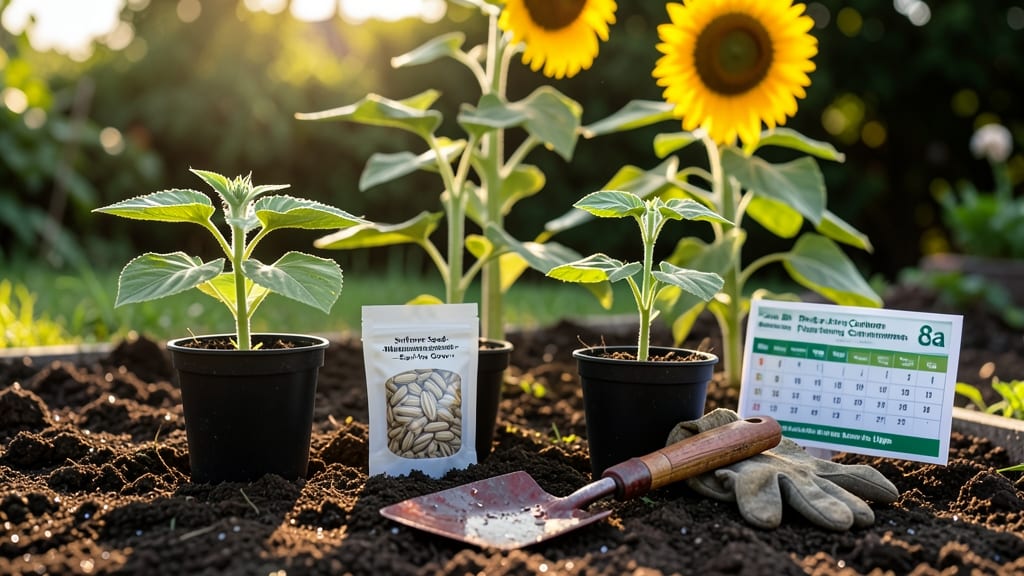
Plant sunflowers in Zone 8a between mid-March and early May to catch the 60-90 frost-free days they need for full-size blooms.
Picture this: you’ve waited all winter for your garden to burst into color, only to watch your 🌻 sunflower seeds sprout too late—leaving you with stunted stems and no golden faces by summer.
That’s why timing matters more than you think in Zone 8a, where the last frost lingers until April.
Most gardeners in Southern California, Central Texas, or the North Carolina Piedmont assume sunflowers are a no-brainer summer crop. But the truth? Planting too early risks frost damage, while waiting too long cuts blooming short. The sweet spot is when soil hits 60°F and stays there—usually by late March.
Below, I break down the exact window, how to pick the right varieties for your region, and pro tips to stretch your sunflower season into fall. No more guessing—just towering, sun-soaked blooms from seed to showstopper.
Optimal sunflower planting dates in Zone 8a: soil temps & moon phases
Timing is everything when growing sunflowers in Zone 8a, where warm winters and long summers create a unique growing window. Unlike northern zones, you can plant sunflowers twice a year—spring and early summer—for continuous blooms.
But to maximize germination and growth, focus on soil temperatures above 60°F and align planting with the moon's phases for best results.
Most gardeners in Zone 8a plant sunflowers between March and May, but the ideal window shifts slightly based on your exact location.
For example, in Southern California, you can start as early as February, while in North Carolina's Piedmont, wait until after the last frost date (typically April 1). The key is ensuring soil temperatures stay consistently warm to avoid slow germination.
Here’s the hard data on germination success: seeds planted in soil at 65°F+ show a 90%+ germination rate within 7-14 days, while cooler soils (55°F) drop success to 50% or less.
Pair this with the right moon phase, and you’ll set your sunflowers up for success from day one.
🌱
For the fastest and healthiest sunflowers, aim to plant during the Waxing Gibbous or Full Moon phases when the moon is above the horizon. This phase boosts root development, giving your sunflowers a strong foundation for their towering growth.
I’ve found that seeds planted under these conditions sprout 2-3 days faster and produce sturdier stems.
If you’re planting in early spring (March-April), choose a location with full sun exposure and prepare the soil by mixing in compost or aged manure to retain moisture and nutrients. Sunflowers are heavy feeders, so rich soil is non-negotiable for those 10-foot-tall giants.
In Southern California, I’ve had success planting as early as February in raised beds with row covers to protect young seedlings from unexpected chilly nights.
Pro tip: Use a soil thermometer to monitor temperatures before planting. If your soil is below 60°F, wait a week or two—your patience will pay off with stronger, more resilient plants. I once planted in 50°F soil and spent weeks thinning weak seedlings; a lesson I won’t repeat!
🌿
Don’t overlook the second planting window in early June for late-summer blooms. This is especially useful if you want sunflowers to brighten your garden when other annuals start fading. Just be mindful of heat stress: young seedlings can bolt (flower too quickly) if temperatures exceed 90°F.
To mitigate this, plant in partial shade for the first week or use shade cloth until they establish roots.
Finally, if you’re experimenting with lunar planting, avoid the New Moon and Full Moon phases for sowing. While the Full Moon is great for transplanting established seedlings, it can lead to excessive leafy growth at the expense of root development when planting seeds.
Stick to the Waxing phases for the best balance of growth and stability.
☀️
Sunflower variety planting guide: dwarf vs. giant blooms in Zone 8a
Choosing the right sunflower variety for Zone 8a isn't just about size—it's about timing. Giant varieties like 'Moulin Rouge' need early starts to avoid summer heat stress, while dwarf types like 'Teddy Bear' can handle later plantings. The key is matching maturity dates (60-120 days) to your local frost-free window.
Zone 8a's last frost dates range from early March to mid-April, but soil temperature matters more than calendar dates. Aim for 60°F+ soil—typically mid-April in most areas. This gives you a 6-8 week window before summer's peak heat arrives.
| Variety | Height | Days to Bloom | Ideal Planting Month | Zone 8a Notes |
|---|---|---|---|---|
| Moulin Rouge | 10-12 ft | 90-120 days | March-April | Plant early to avoid summer wilting |
| Teddy Bear | 1-2 ft | 60-70 days | April-June | Heat-tolerant; great for containers |
| Autumn Beauty | 5-6 ft | 70-80 days | April-May | Multi-colored blooms; late summer display |
For giant varieties like 'Moulin Rouge', I recommend starting seeds indoors 4-6 weeks before your last frost date.
This gives them a head start before transplanting into full sun locations after soil warms. Dwarf types like 'Teddy Bear' can be direct-sown as late as June in Zone 8a—they'll still bloom before frost.
Pro tip: Use black plastic mulch to warm soil faster for early plantings. This helps 60-70 day varieties like 'Teddy Bear' establish roots before summer's heat peaks. For tall varieties, stake them early to prevent wind damage during their rapid growth phase.
Remember that late summer plantings (July-August) work best for short-season varieties like 'Autumn Beauty'. These will bloom just in time for fall color before frost arrives. Always check your local frost-free dates—some Zone 8a areas (like Southern California) have longer growing seasons than others (like North Carolina Piedmont).
My favorite trick? Plant a succession mix—early 'Moulin Rouge' followed by mid-season 'Autumn Beauty' and late 'Teddy Bear'. This gives you continuous blooms from June through October! 🌻