
Flowers
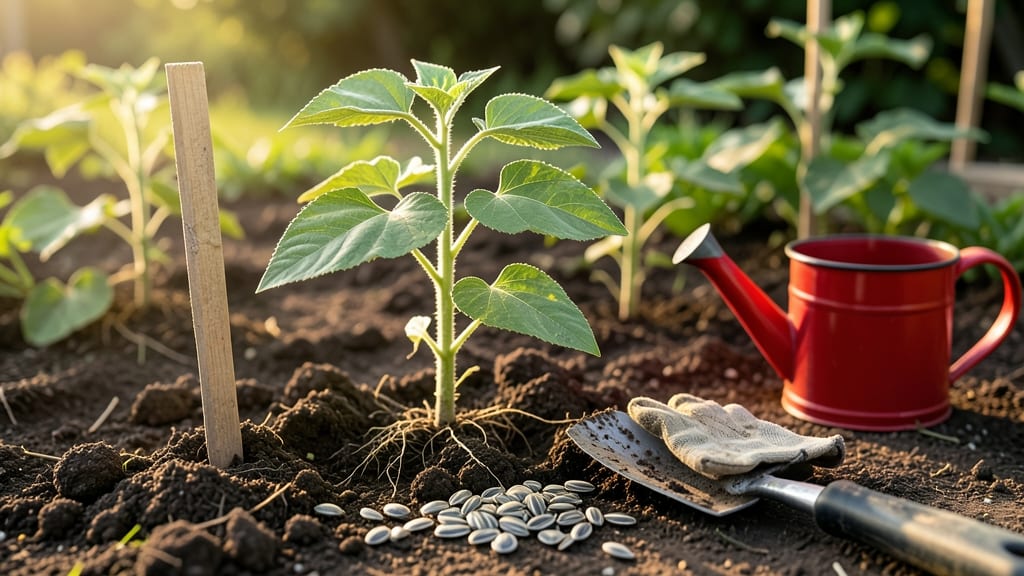
Planting sunflowers in Zone 8 at the right time means the difference between 6-foot giants and stunted blooms that never reach their potential.
You’ve probably seen those towering 🌻 stalks in summer gardens, but getting them there starts with the calendar. Skip the wrong window, and you’ll end up with leggy stems or blooms that arrive too late for peak enjoyment.
Zone 8’s mild winters and hot summers give you a longer planting window than most regions, but timing still matters. Too early, and frost can nip tender seedlings; too late, and your sunflowers might not mature before fall’s chill sets in.
Below, I’ll break down the exact months for planting sunflowers in Zone 8, plus how to adjust for your local microclimate, soil conditions, and whether you’re direct-sowing or transplanting.
Best planting months for sunflowers in Zone 8: a month-by-month guide
Sunflowers thrive in Zone 8’s warm climate, but knowing the exact planting window ensures your giant blooms reach their full potential. Unlike cooler zones, Zone 8’s mild winters and hot summers create a unique timeline for success.
Let’s break down the best months to plant sunflowers, from early spring to late summer, with soil and temperature tips tailored just for you.
Zone 8’s last frost date typically falls around March 15, while the first frost arrives around November 15. This gives you a 210-day frost-free season, perfect for sunflowers that need 75-120 days to mature.
The key is planting when soil temperatures stay above 55°F consistently, which usually happens by late March or early April.
Here’s your month-by-month guide to planting sunflowers in Zone 8, including ideal soil conditions and care tips for each window:
| Month | Optimal Planting Window | Soil Temp (°F) | Sunlight Needs | Care Tips |
|---|---|---|---|---|
| March | Late March (after last frost) | 55-60°F | Full sun (6+ hours) | Use row covers if nights are chilly; water deeply 2x/week. |
| April | Early to mid-April | 60-65°F | Full sun | Apply compost; thin seedlings to 6" apart. |
| May | Best month for planting | 65-75°F | Full sun | Fertilize lightly; mulch to retain moisture. |
| June | Early June (for late blooms) | 70-80°F | Full sun | Water at soil level; watch for pests. |
| July | Not ideal (short bloom time) | 80-90°F | Full sun | Dwarf varieties only; reduce watering. |
| August | Late August (for fall blooms) | 75-85°F | Full sun | Use fast-maturing varieties; harvest seeds before frost. |
For maximum bloom size, focus on planting in May and early June when temperatures are ideal and daylight is long. This gives sunflowers enough time to grow 6-14 feet tall before the first frost.
If you’re growing dwarf varieties (2-4 feet), you can extend planting into late summer for smaller, late-season blooms.
Zone 8’s hot summers can stress sunflowers, so always plant in well-draining soil and water deeply at the base of the stem to avoid fungal issues. Mulching with straw helps retain moisture and keeps roots cool.
Avoid planting in shady spots, even in summer, as sunflowers need 6+ hours of direct sunlight daily to thrive.
If you missed the spring window, don’t worry—sunflowers are fast growers and can still produce blooms when planted in early August. Choose quick-maturing varieties like ‘Moulin Rouge’ (55 days) or ‘Teddy Bear’ (50 days) for fall harvests. Just be sure to harvest seeds before frost to avoid mold.
For continuous blooms, stagger plantings every 2-3 weeks from May through July. This ensures a colorful display all summer long. Just remember: sunflowers love space, so leave 1-2 feet between rows for their towering stems to avoid competition.
One common mistake in Zone 8 is planting too early in March, when soil is still cool. This can lead to stunted growth or even rot. Wait until soil temperatures are consistently above 55°F—usually by mid-April—for the best start. Test your soil with a thermometer if you’re unsure.
Finally, don’t forget that sunflowers are annuals in Zone 8, so plan to replant each year. But the reward? Vibrant blooms that attract pollinators and add height to your garden. With the right timing, your sunflowers will reach their full 4-16-foot potential and bring joy all season long. 🌻
How to adjust sunflower planting for Zone 8’s microclimates and varieties
Zone 8’s varied microclimates—from coastal breezes to inland heat—mean your sunflower planting strategy should be just as flexible. Not all sunflowers thrive under the same conditions, and localized factors like soil type and wind exposure can shift optimal planting times by weeks.
For example, dwarf varieties like 'Teddy Bear' tolerate cooler soils better than giant varieties like 'Mammoth' that need warm, stable temperatures to reach their towering heights.
First, identify your microclimate: urban areas often stay warmer than rural spots, while elevated gardens may experience earlier frosts. Use these clues to fine-tune your schedule—planting dwarf sunflowers in April-May works well in cooler microclimates, while tall varieties should wait until May-June when soil temperatures consistently stay above 55°F.
Your soil’s drainage and fertility also play a role. Sandy soils warm up faster, allowing earlier planting, while clay-heavy soils may require waiting until late spring. Amend your soil with compost or aged manure 2-3 weeks before planting to give seeds a nutrient-rich start, especially for heavy-feeding giant varieties.
Adjusting Planting Times for Zone 8 Microclimates
✅ Pros of Early Planting (April-May)
- Longer growing season for dwarf varieties
- Earlier blooms attract pollinators sooner
- Better for cooler microclimates (coastal, shaded)
❌ Cons of Early Planting
- Risk of late frosts stunting growth
- Giant varieties may not mature fully
- Higher chance of soil-borne diseases in damp conditions
✅ Pros of Late Planting (June-July)
- Ideal for heat-loving giant varieties
- Reduces pest pressure (e.g., cutworms)
- Longer daylight hours boost flower development
❌ Cons of Late Planting
- Shorter growing season may limit bloom size
- Less time for seed maturation if planted after July
- Competes with summer crops for water
For windy microclimates, choose semi-dwarf varieties like 'ProCut' that stay sturdier in breezes, or plant near windbreaks like fences or hedges. If your garden sits in a hot, dry microclimate, opt for drought-tolerant types like 'Autumn Beauty' and mulch heavily to retain moisture.
Always monitor your local 10-day forecast—a stretch of 90°F+ days can stress young seedlings.
Consider succession planting for continuous blooms: Start with dwarf varieties in early spring, followed by medium-height types in late spring, and giant varieties in early summer. This staggered approach ensures your garden stays vibrant from June through October, even if one microclimate underperforms.
Finally, pay attention to soil temperature, not just air temperature. Use a soil thermometer to confirm when your garden’s top 2 inches reach 55-60°F—the ideal range for sunflower germination.
In cooler microclimates, this might mean delaying planting until late May, while warmer inland zones can start as early as April.