
Flowers
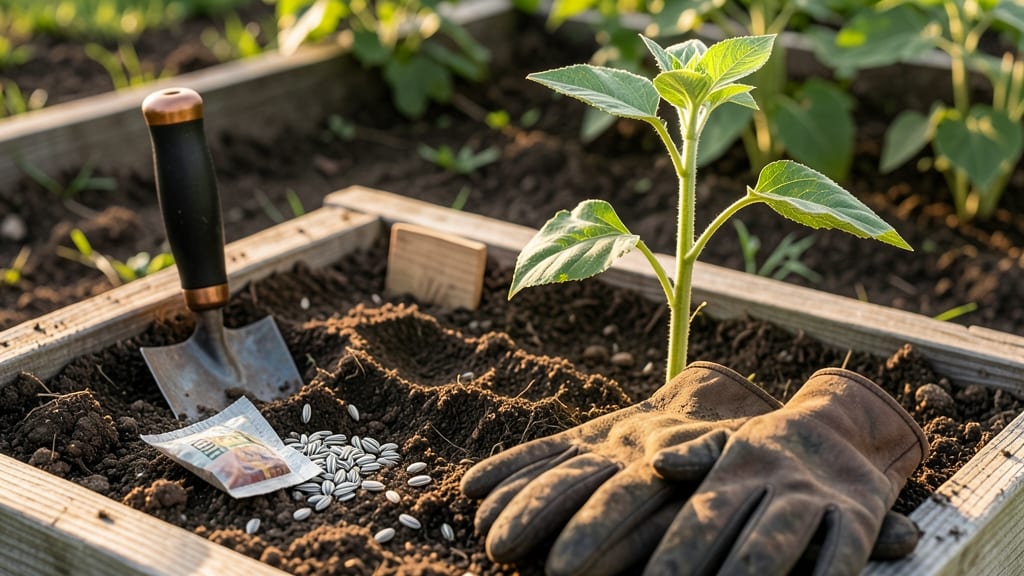
Plant sunflowers in Wisconsin after your last frost date, typically mid-May, when soil temperatures reach at least 50°F—this ensures strong, healthy growth before the short summer ends.
Wisconsin’s sunny summers are perfect for growing sunflowers—but timing your planting wrong can mean wilting blooms before they even peak. Get your sunflowers in the ground at the right time, and you’ll enjoy towering stems and vibrant faces all season long.
In USDA zones 4b-6a, the window for planting is narrow, so knowing your exact frost-free date is key. Whether you’re growing giant varieties for sunflower houses or dwarf types for containers, the rules are the same: wait until the soil warms and the danger of frost has passed.
Below, I’ll break down the best planting dates by zone, how to adjust for Wisconsin’s unpredictable weather, and which sunflower varieties thrive best in your short growing season.
Wisconsin sunflower planting dates by hardiness Zone (2024 guide)
Wisconsin’s 5 distinct USDA hardiness zones (3a-8a) create unique planting windows for sunflowers. The last spring frost typically arrives between late April and early June, while the first fall frost hits from late September to mid-October.
To maximize your sunflower’s 100-120 day growth cycle, plant at the right time—whether you’re sowing seeds or transplanting seedlings.
Sunflowers thrive in full sun (6+ hours daily) and warm soil (50°F+). In northern Wisconsin (zones 3-4), where summers are shorter, focus on early-maturing varieties like 'Teddy Bear' or 'Moulin Rouge'.
Meanwhile, southern zones (5-8) can handle taller varieties like 'Russian Giant' or 'Autumn Beauty' with extended growing seasons.
Here’s your zone-by-zone planting guide, including ideal windows for direct sowing and transplanting, plus adjustments for early/late varieties to stretch your harvest season.
| Zone | Last Frost Date | Ideal Planting Window | Direct Sowing | Transplant Window | Early Variety Tip | Late Variety Tip |
|---|---|---|---|---|---|---|
| Zone 3a (North) | May 15-20 | May 20-June 1 | After May 20 | None (too short) | Choose 60-day varieties | Skip late varieties |
| Zone 4a (North-Central) | May 1-10 | May 10-June 10 | After May 10 | May 1-15 (start indoors) | 70-day varieties | 80-day max |
| Zone 5a (Central) | April 25-May 5 | April 25-June 15 | After April 25 | April 15-May 1 | 75-day varieties | 90-day max |
| Zone 6a (South-Central) | April 15-25 | April 15-June 20 | After April 15 | April 1-May 15 | 80-day varieties | 100-day max |
| Zone 7a-8a (South) | April 1-10 | April 1-June 30 | After March 20 | March 15-April 15 | 90-day varieties | 120-day max |
For Zone 3a gardeners, your window is tight—stick to dwarf or early varieties like 'Sunspot' (50 days) or 'Autumn Beauty' (60 days). In Zone 4a-5a, you can experiment with medium-height varieties like 'ProCut' (80 days) or 'Moulin Rouge' (70 days) for a reliable harvest before frost.
In Zones 6a-8a, where summers last longer, you can push the envelope with tall varieties like 'Russian Giant' (120 days) or 'Evening Sun' (90 days).
For these zones, consider a second planting in late June for a fall harvest—just ensure your seeds go in by July 15 at the latest to mature before frost.
Pro tip: Use row covers in Zones 3-4 to extend your planting window by 2-3 weeks. Simply lay the cover over seeds after sowing to warm the soil faster and protect young plants from late frosts. Remove covers once plants are 4-6 inches tall to avoid overheating.
Always check your local frost dates using the National Weather Service or Old Farmer’s Almanac, as microclimates can shift planting windows by 1-2 weeks.
For example, Milwaukee (Zone 5a) may see frost as late as May 15, while Green Bay (Zone 4a) could still face frost in early June.
If you’re unsure about your zone, use the USDA Plant Hardiness Zone Map to pinpoint your exact location.
Once you’ve got your zone locked in, mark your planting dates on a calendar and set reminders—sunflowers grow 2-3 inches per day once established, so timing is everything for those show-stopping blooms!
🌻
How to adjust sunflower planting for Wisconsin’s unpredictable weather
Wisconsin’s weather can throw curveballs at gardeners—late frosts in May, sudden heatwaves in June, and soil that stays cold longer than expected. These unpredictable conditions make sunflower planting a bit tricky, but with the right adjustments, you can still grow those iconic 10-foot stems and bright blooms.
The key is flexibility: knowing when to push forward, when to wait, and how to protect your plants from Mother Nature’s whims.
First, remember that sunflowers thrive when soil temperatures reach at least 50°F (10°C). In Wisconsin, this often means waiting until mid-May in most zones, but colder northern areas (like Zone 3) may need to wait until early June.
If you’re eager to start earlier, you’ll need to warm the soil artificially or use frost protection methods. This is where many gardeners in Wisconsin face their first challenge.
⚠️ callout warning ⚠️
Wisconsin’s last frost dates vary by 2-3 weeks across the state. Planting too early—even in Zone 5—risks killing young sunflowers. Use row covers or wait until after May 15 for safer results. Check your local USDA Plant Hardiness Zone for precise dates.
🌱 Pro Tip: Plant a test row 1-2 weeks before your target date to monitor frost risks.
If you’re determined to plant early, try these soil warming tricks to give your sunflowers a head start. Lay down black plastic mulch 1-2 weeks before planting to absorb sunlight and raise soil temperatures.
Another option is to use straw mulch, which insulates the soil and retains warmth. For containers, place them on heat mats or in a sunny greenhouse until the soil warms naturally.
For frost protection, row covers are your best friend. Lightweight fabric allows sunlight to penetrate while trapping heat. Install covers in the evening and remove them during the day to prevent overheating. If a frost warning hits, consider using cloches (glass jars or plastic domes) over individual plants.
These methods buy you time, but remember: sunflowers grow quickly, and you’ll need to remove covers once they’re 4-6 inches tall to prevent leggy growth.
What if Wisconsin’s weather throws a heatwave instead? Sunflowers are drought-tolerant once established, but young seedlings need consistent moisture. During extreme heat, water deeply in the early morning to reduce evaporation.
Mulch around the base of plants to retain soil moisture and keep roots cool. If temperatures exceed 90°F (32°C) for days, consider providing shade cloth (30-50% shade) to protect young plants.
Finally, have a backup planting plan. If your first attempt fails due to frost or poor soil conditions, keep seeds on hand for a second planting in early June. Choose fast-maturing varieties (like ‘Moulin Rouge’ or ‘Autumn Beauty’) for a second chance at blooms.
With these adjustments, you’ll turn Wisconsin’s unpredictable weather into an opportunity for bountiful sunflowers instead of a gardening disaster.