
Flowers
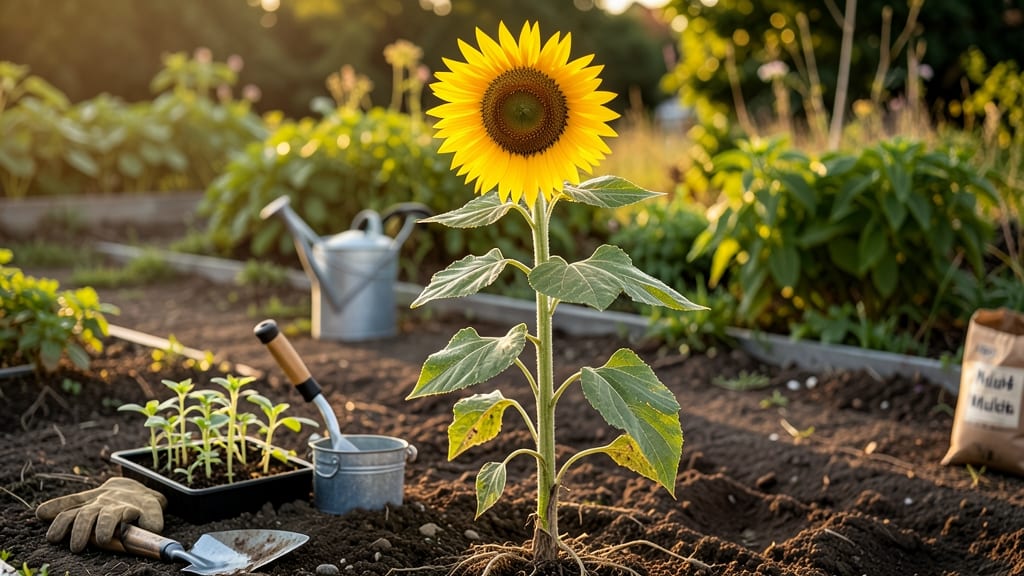
To plant sunflowers in San Diego, aim for spring or early summer when soil temperatures hit 60°F—any earlier and you risk leggy, weak stems from cool coastal breezes.
San Diego’s frost-free year-round climate means you can grow sunflowers 🌻 almost any month, but timing still matters. Plant too late and the summer heat can stress seedlings before they take off, while early sowings may bolt faster than you’d like.
This guide breaks down the fastest-growing window for your microclimate—whether you’re in sunbaked inland areas or cooler coastal zones—plus soil prep tricks to keep your sunflowers reaching for the sky.
You’ll learn how to adjust for San Diego’s unique heat, water smarter for drought resilience, and pick the best varieties for taller stems and longer blooms.
San Diego’s ideal sunflower planting window: month-by-month breakdown
San Diego’s frost-free climate means you can plant sunflowers year-round, but timing still matters for optimal growth and taller stems. Unlike northern climates, we don’t have to wait for spring—just monitor soil temperatures and microclimate differences.
Coastal areas like La Jolla stay cooler, while inland spots like Escondido can get scorching fast. Let’s break down the best months for direct sowing versus transplanting to maximize your sunflowers’ potential.
For direct sowing, aim for when soil reaches at least 55°F, but 60°F+ is ideal for faster germination. Inland areas warm up quicker, so you can start 2-3 weeks earlier than coastal zones. Transplants, however, can handle slightly cooler soil, giving you more flexibility.
Whether you’re sowing seeds or transplanting, understanding your local frost-free window (which is basically year-round here) helps you avoid heat stress or overcrowding during peak growing months.
| Month | Direct Sowing | Transplanting | Soil Temp | Notes |
|---|---|---|---|---|
| January | ✅ (Coastal only) | ✅ (All areas) | 55–60°F | Cool coastal mornings; use row covers |
| February | ✅ (All areas) | ✅ (All areas) | 58–65°F | Best for early blooms; watch for coastal fog |
| March | ✅ (Peak time) | ✅ (Peak time) | 60–70°F | Ideal for tall varieties; prepare for heat |
| April | ✅ (Best for inland) | ✅ (Best for inland) | 65–75°F | Avoid planting too late; bolting risk |
| May | ⚠️ (Late sowing) | ✅ (Still good) | 70–80°F | Use shade cloth for seedlings; drought stress |
| June–August | ❌ (Too hot) | ✅ (Transplants only) | 80–95°F | Focus on established plants; mulch heavily |
| September | ✅ (Fall planting) | ✅ (Fall planting) | 70–80°F | Perfect for second crop; cooler nights help |
| October–December | ✅ (Coastal preferred) | ✅ (All areas) | 55–65°F | Winter varieties thrive; protect from wind |
March through May is your prime planting window for sunflowers in San Diego. During these months, soil temperatures are perfect for germination (60–75°F), and days are long enough to support rapid growth.
For direct sowing, scatter seeds ½ inch deep and 12 inches apart in rows 2–3 feet apart. If you’re transplanting, choose healthy 3–4 inch seedlings from nurseries and harden them off for 3–5 days before moving them outdoors.
Inland areas like Escondido or Ramona can plant 2–3 weeks earlier than coastal zones because they warm up faster. Use a soil thermometer to check temperatures—if it’s below 55°F, wait a week or two.
Coastal areas like La Jolla or Coronado may need to wait until late February for direct sowing due to cooler mornings and marine layer fog, which can delay germination.
For a second planting in fall, aim for late August or September. This gives sunflowers enough time to mature before cooler weather sets in. Choose dwarf varieties like ‘Teddy Bear’ or ‘Moulin Rouge’ for shorter stems that handle
How to adjust planting for San Diego’s unique microclimates: coastal vs. inland strategies
San Diego’s sunflower gardeners face a fascinating challenge: coastal areas like La Jolla and Coronado enjoy milder temperatures and ocean breezes, while inland regions like Escondido and Ramona experience hotter, drier summers.
These microclimates demand different planting strategies to maximize your sunflowers’ height and bloom production. Understanding these differences lets you choose the perfect timing for your location.
For coastal gardens, the cooler ocean-influenced air means you can start sunflower seeds as early as January for a spring harvest. The milder winters reduce frost risk, allowing you to plant almost year-round.
In contrast, inland areas should wait until March or April to avoid heat stress during germination. The inland heat can cause seeds to sprout too quickly, leading to weak stems and early bolting.
Coastal gardeners can take advantage of two planting windows: one in early spring for summer blooms and another in late summer for fall flowers. The ocean breezes help moderate temperatures, but you’ll still need to protect young plants from afternoon fog, which can cause fungal issues.
Use dwarf varieties like 'Teddy Bear' for container gardening in coastal areas where space is limited.
Inland sunflowers thrive with heat-tolerant varieties like 'Autumn Beauty' or 'ProCut,' which handle the 100°F+ temperatures common in summer. To extend your growing season inland, try a second planting in late August for fall blooms.
Just be sure to mulch heavily to retain moisture and cool the soil. Drip irrigation is a game-changer for inland gardens, delivering water directly to roots while reducing evaporation.
Both microclimates benefit from well-draining soil, but coastal areas may need amendments like compost to improve fertility, while inland soils often require organic matter to retain moisture. Test your soil’s pH—sunflowers prefer 6.0–7.5—and adjust with lime or sulfur as needed.
With these adjustments, you’ll unlock the full potential of San Diego’s sunflower-growing season, no matter where you live in the county.
🌻