
Propagation
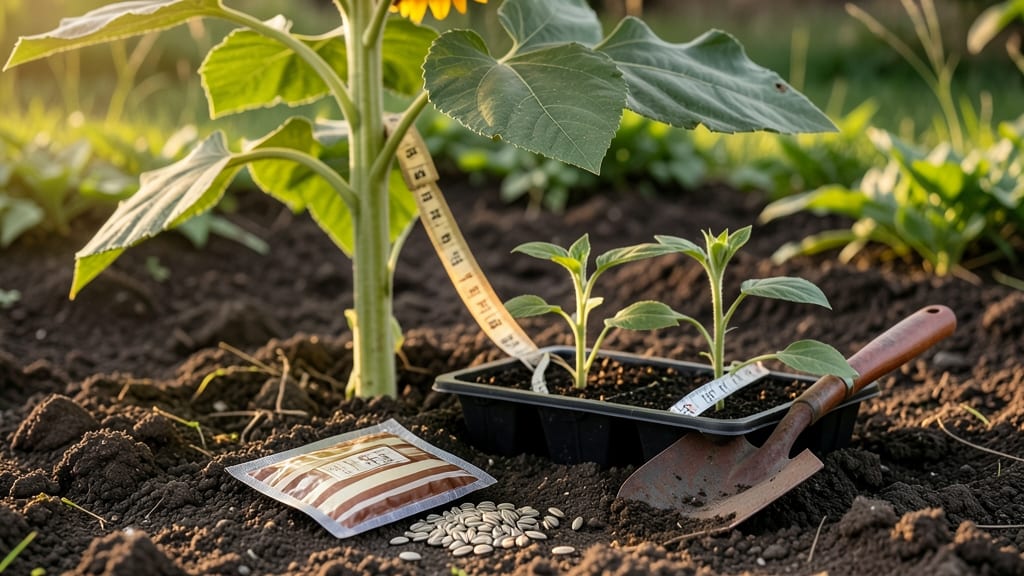
Growing sunflowers from seed takes between 50 and 120+ days to reach full bloom, depending on the variety you choose 🌻 — and knowing the exact timeline helps you plan for those towering stems before summer’s end.
Picture this: you plant your seeds in early spring, eager for a backyard full of golden blooms by July. But if you picked the wrong variety, you might end up with nothing but a patch of green stems by harvest time.
That’s why understanding the growth stages — from germination to flower — is the key to success.
Some sunflowers, like the fast-growing 'Teddy Bear' variety, burst into color in as little as 45 days, while giants like 'Russian Giant' take nearly four months to mature.
The difference comes down to genetics, sunlight, and soil conditions — all factors you can control to speed up or slow down the process.
In this guide, I’ll break down the exact growth timeline for popular varieties, share tips to accelerate your sunflowers’ development, and help you avoid common mistakes that stall their progress. Ready to turn your garden into a sunflower spectacle?


Sunflower growth timeline by variety: days to bloom from seed
Sunflowers are one of the fastest-growing plants in the garden, but their time to bloom varies dramatically by variety. From dwarf sunflowers that sprout in under 50 days to giant varieties taking 120+ days, understanding these timelines helps you plan for peak summer blooms or early fall harvests.
Whether you're growing 'Moulin Rouge' for vibrant cut flowers or 'Russian Giant' for towering backyard drama, each stage—from germination to full bloom—follows a predictable pattern.
The germination period is the first critical phase, typically taking 7-14 days in warm soil (70°F+). After sprouting, sunflowers enter vegetative growth, where leaves expand rapidly, followed by stem elongation and finally flower bud formation.
The total days to bloom is what most gardeners track, but knowing the growth stages helps troubleshoot delays—like stunted stems or slow budding—before they become problems.
Dwarf varieties like 'Teddy Bear' or 'Moulin Rouge' are the fastest, often blooming in 45-60 days, making them perfect for container gardens or early summer displays. Mid-size varieties such as 'Autumn Beauty' or 'ProCut' take 60-90 days, striking a balance between speed and height. Meanwhile, giant sunflowers like 'Russian Giant' or 'Mammoth' require 100-120+ days, rewarding patience with 12-foot stalks and massive blooms.
Understanding these growth stages helps you plan for successful sunflower cultivation. For example, dwarf varieties like 'Teddy Bear' are ideal for late spring plantings (after May 1 in most zones), while giant sunflowers need
How to speed up sunflower growth without compromising health
Sunflowers are fast growers, but their speed depends on your growing conditions. With the right approach, you can accelerate their growth by 20-30% while keeping them healthy. The key lies in mimicking their natural habitat—sun, warmth, and well-drained soil.
I’ve learned that even small tweaks, like soil temperature or watering depth, can make a huge difference in how quickly those towering stems reach for the sky.
One common mistake I see is planting sunflowers too late in the season. If you miss the ideal planting window (April-May), your sunflowers may not mature before the first frost. Another frequent error is overwatering, which can lead to root rot and stunted growth.
Instead, focus on deep, infrequent watering to encourage strong root development—the deeper the roots, the faster and taller your sunflower will grow.
✨ 5 Pro Tips to Turbocharge Sunflower Growth
- 🌡️ Warm the soil to at least 60°F (15°C) before planting—use black plastic mulch or a cold frame if needed. Germination speeds up dramatically in warm soil.
- ☀️ Ensure 6+ hours of direct sunlight daily. Sunflowers are sun-hungry and won’t grow fast without it. A south-facing spot is ideal.
- 💧 Water deeply but infrequently—aim for 1-2 inches per week. Shallow watering encourages weak roots, slowing growth.
- 🌱 Maintain a soil pH of 6.0-7.0. Test your soil and amend with lime (to raise pH) or sulfur (to lower it) if needed. Happy roots = faster growth.
- 🪴 Thin seedlings to 6-12 inches apart (depending on variety). Crowded plants compete for nutrients, slowing their progress.
Another trick I swear by is side-dressing with compost when the plants are about 6 inches tall. This gives them a nutrient boost without overwhelming their roots. I use a mix of compost and a balanced 10-10-10 fertilizer to encourage both leafy growth and stem elongation.
Just be careful not to overdo it—too much nitrogen can lead to lush foliage but fewer blooms.
If you’re growing sunflowers in containers or raised beds, choose a fast-draining mix with plenty of organic matter. I’ve had the best luck with a blend of 50% potting soil, 30% compost, and 20% perlite.
This ensures roots get the oxygen they need to grow quickly while retaining enough moisture. Containers also warm up faster in spring, giving you a head start on the growing season.
Finally, don’t forget to monitor for pests like aphids or sunflower moths. These can stress your plants and slow their growth. I use a simple spray of neem oil or insecticidal soap if I spot any early signs of infestation.
Healthy plants grow faster, so keeping them pest-free is a game-changer.
With these adjustments, you’ll see your sunflowers bolt upward in as little as 6-8 weeks for dwarf varieties or 10-12 weeks for standard types. The key is consistency—stick to the sun, soil, and water rules, and you’ll be rewarded with those iconic blooms before you know it. Happy growing! 🌻