
Flowers
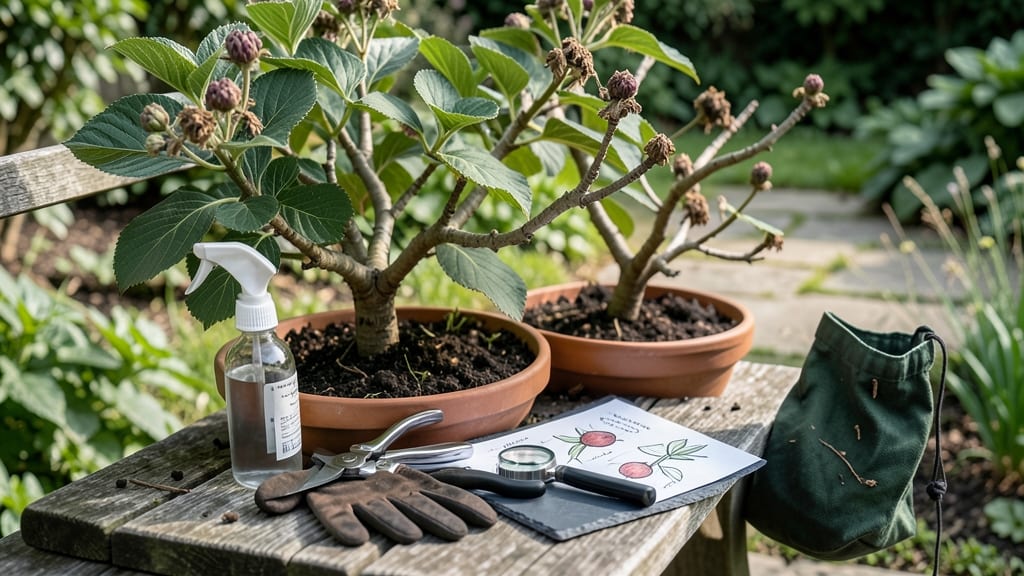
To cut hydrangea flowers at the right time ensures bigger, healthier blooms next season—and skipping this step can mean fewer flowers or none at all.
Picture this: You’ve spent months admiring your 🌸 hydrangeas, only to wake up one spring and realize they’re barely budding. The culprit? Pruning at the wrong time—or not at all. Whether you’ve got mopheads, panicles, or oakleaf varieties, timing is everything.
Most hydrangeas bloom on old wood (last year’s stems), while others like panicle types rely on new growth. Cut too early, and you risk pruning off next year’s flowers.
Wait too long, and you miss the best window for shaping your shrub. The key? Knowing your type and acting in the right season.
In this guide, I’ll walk you through exactly when to prune each variety—from late winter for dormant shrubs to post-bloom for rebloomers—plus the tools and tricks to keep your hydrangeas thriving for years.
Best time to prune hydrangeas by flower type (old vs new wood)
Pruning hydrangeas at the wrong time can mean the difference between a showstopping display of blooms and a bare, leggy shrub. The key? Understanding whether your hydrangea blooms on old wood (last year’s growth) or new wood (current season’s growth).
Get this wrong, and you might be cutting off next year’s flowers before they even form!
Timing matters because hydrangeas store energy in their wood stems. For varieties like mophead and oakleaf, buds form on old wood in late summer—so pruning too early can remove those buds entirely.
Meanwhile, panicle and smooth hydrangeas bloom on new wood, so they need a late-winter or early-spring haircut to encourage fresh growth.
Here’s the golden rule: Never prune in fall unless you’re removing dead or diseased stems. Fall pruning can expose cuts to winter cold, inviting pests and diseases. Instead, wait until the plant is dormant but before new growth starts—typically late winter or early spring for most types.
To simplify, I’ve broken down the best pruning times by hydrangea type in the table below. Bookmark this—it’s your pruning survival guide!
If you’re unsure which type you have, check your hydrangea’s flowering pattern. Mophead and oakleaf types bloom on last year’s wood, so they flower in early summer from buds set the previous year. Panicle and smooth types bloom on new wood, so they flower in mid-to-late summer from current season’s growth.
Pro tip: For reblooming varieties like some panicle hydrangeas, you can also do a light deadheading after the first flush of blooms to encourage a second round. Just snip off the spent flower heads—don’t prune the stems themselves, or you’ll risk cutting off next year’s buds.
One common mistake I see is pruning too aggressively in fall. This can leave your hydrangea vulnerable to winter dieback and pests. Always wait until the plant is fully dormant (no green leaves) but before new shoots appear in spring.
For most zones, this means February to early March.
Finally, remember that hydrangeas hate wet cuts. If you prune right after a rain, the open wounds can rot. Wait for a dry, sunny day to prune, and always use clean, sharp pruners to make clean cuts just above a bud or leaf node.
This minimizes stress on the plant and encourages healthier regrowth.
With the right timing, your hydrangeas will reward you with bigger, healthier blooms year after year—no guesswork required! 🌸
Step-by-step pruning guide: how to cut hydrangeas without killing next year’s blooms
Pruning hydrangeas can feel intimidating—one wrong cut, and you might lose next year’s show-stopping blooms. The key is timing and technique. I’ve pruned these beauties for years, and I’ve learned that late winter or early spring is the safest window for most varieties.
But first, grab your sharp pruners and let’s dive into the exact steps to revive your hydrangeas without harming their future growth.
Before you start cutting, identify dead or diseased stems—they’re usually brown, mushy, or hollow inside. Remove these first, as they won’t regrow. For healthy stems, look for green buds near the base; these are where next year’s flowers will emerge.
If you cut into these, you’re cutting into next season’s potential. Trust me, I’ve made this mistake (and lived to prune another day!).
When to Cut Hydrangea Flowers: Step-by-Step
- 1 Wait until late winter or early spring (just as new growth begins). For mophead and bigleaf hydrangeas, prune right after flowering if they’re rebloomers.
- 2 Use clean, sharp pruners to make 45-degree cuts just above a leaf bud or outward-facing branch. Avoid leaving stubs—they invite disease.
- 3 Cut back old wood (last year’s stems) to 1-2 inches above the ground for panicle and smooth hydrangeas. For mophead types, trim back 1/3 of the oldest stems to encourage new growth.
- 4 Avoid summer pruning unless deadheading spent blooms—cutting back in summer can stunt new flower formation for next year. Save heavy pruning for dormant seasons.
- 5 Clean up debris and sterilize tools with rubbing alcohol to prevent fungal spread. Mulch around the base to protect roots as temperatures rise.
One of the biggest mistakes I see is pruning too late in spring or cutting into new growth buds. If you’re unsure which stems to trim, snap a photo first! Healthy hydrangeas have green bark and plump buds—these are your clues.
For oakleaf hydrangeas, prune lightly in late winter to avoid removing next year’s blooms, which form on old wood.
After pruning, give your hydrangeas a light fertilizer (like a 10-10-10 blend) to encourage strong regrowth. I always water deeply afterward to help the plant recover.
Within weeks, you’ll see fresh green shoots signaling that your cuts were successful. Patience is key—hydrangeas reward careful pruning with bigger, healthier blooms the following year.
Remember, every hydrangea variety is different. Mopheads and bigleaf types (like Endless Summer) rebloom on new wood, so prune them after flowering. Panicle types (like Limelight) bloom on old wood, so wait until late winter.
When in doubt, observe your plant’s natural growth patterns—your hydrangeas will tell you what they need!