
Flowers
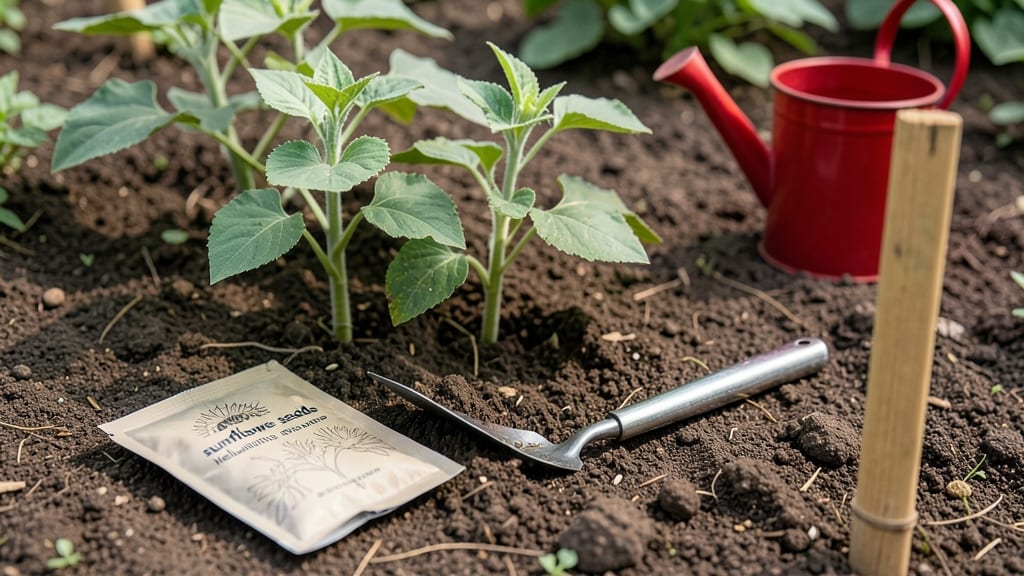
Planting sunflowers in Sacramento after the last frost date—typically mid-March—gives them the best shot at thriving in your 9a climate.
Sunflowers bring vibrant color and joy to Sacramento gardens—but planting them at the wrong time can mean wilted dreams before they even bloom. Timing is everything, and local frost dates, soil temperatures, and sunflower varieties all play a critical role in maximizing your harvest.
In Sacramento, where the last frost usually passes by mid-March, you can start sowing sunflower seeds directly into the ground once soil temperatures hit 55°F. This ensures strong germination and a head start before summer heat arrives.
Below, I’ll break down the ideal planting windows for different sunflower varieties, how to adjust for microclimates, and pro tips to keep your 🌻 blooming all season long.
Sacramento’s frost-free dates & best planting windows for sunflowers
Sacramento’s USDA Zone 9a climate means we enjoy 240 frost-free days annually, but timing your sunflower planting is still critical. The average last frost date falls around January 15, while the first frost typically hits December 15.
However, soil temperature is your real guide—sunflowers need consistently warm soil (50°F+) to germinate properly.
For spring planting, aim to start seeds directly in the garden between mid-March and mid-April when nighttime temperatures stay above 45°F. If you’re using starter plants, transplant them after April 15 once the soil has warmed.
This timing ensures your sunflowers bloom before Sacramento’s summer heat peaks in July and August.
🌱
Microclimates in Sacramento can shift your planting window by 2-3 weeks. Urban areas like Midtown often experience heat islands that warm soil faster, while rural areas near Folsom Lake may stay cooler longer. Use a soil thermometer to confirm readiness—50°F+ at 2-inch depth is ideal for germination.
For late summer succession planting, aim for August 1–15 to catch a second bloom before frost. Choose heat-tolerant varieties like 'ProCut' or 'Sunspot', which thrive in Sacramento’s 95°F+ summer temperatures. These varieties also handle shorter daylight hours better than giant types.
🌡️
If you’re growing giant sunflowers like 'Russian Giant', start them indoors in late February under grow lights. Transplant outdoors after April 15 when they’ve developed 2-3 true leaves. These varieties need 120+ days to mature, so timing is critical to avoid fall frosts cutting their growth short.
For container gardening, use 5-gallon pots with drainage and plant after May 1 when soil stays warm. Dwarf varieties like 'Teddy Bear' (1-3 feet tall) are perfect for patios and bloom 50-60 days after sowing, making them ideal for extended-season enjoyment.
🪴
Pro tip: Mulch around sunflower bases with straw or wood chips to retain moisture and regulate soil temperature. This is especially helpful in Sacramento’s dry summers, where soil can dry out quickly. Water deeply once a week during establishment, then reduce to bi-weekly once roots are established.
By following these frost-free date guidelines and adjusting for your microclimate, you’ll ensure your sunflowers thrive from spring through fall, turning your Sacramento garden into a vibrant, sun-drenched paradise.
☀️
Sunflower variety planting guide: dwarf vs. giant vs. tall types
Sacramento’s warm summers make it perfect for growing sunflowers, but not all varieties thrive equally here. Dwarf varieties like 'Teddy Bear' handle heat better, while giant types such as 'Russian Giant' need precise timing to avoid bolting too early.
Choosing the right variety ensures vibrant blooms from June through October, with some lasting until first frost.
Your planting strategy should match both the variety and your goals: cut flowers (like 'Moulin Rouge'), seed production (like 'Russian Giant'), or container gardening (like 'Autumn Beauty'). Each has different heat tolerance and maturity timelines that affect when you should plant for optimal results in Sacramento’s USDA Zone 9a climate.
🌱 Comparison Table: Sunflower Varieties for Sacramento
| Variety | Type | Height | Best Planting Time | Days to Mature | Heat Tolerance |
|---|---|---|---|---|---|
| Teddy Bear | Dwarf | 1-3 ft | March 15 - April 30 | 55-60 days | Excellent |
| Moulin Rouge | Tall (Cut Flower) | 5-7 ft | March 1 - April 15 | 70-80 days | Good |
| Russian Giant | Giant (Seed) | 10-16 ft | February 20 - March 10 | 90-120 days | Moderate |
| Autumn Beauty | Standard | 4-6 ft | March 15 - May 1 | 60-70 days | Good |
*Plant dwarf varieties earlier for summer-long blooms; giants need cooler spring soil.
For dwarf varieties like 'Teddy Bear', plant seeds March 15-April 30 for compact blooms that thrive in containers or small gardens. These heat-loving types tolerate Sacramento’s summer heat better than taller varieties, making them ideal for extended-season planting. Space them 12 inches apart to prevent overcrowding.
Taller varieties like 'Moulin Rouge' (cut flowers) or 'Russian Giant' (seeds) require earlier planting—February 20-March 10—to avoid bolting too quickly in Sacramento’s heat. These need deep, well-draining soil and staking for windy conditions. Plant seeds 1 inch deep and thin seedlings to 18-24 inches apart.
To extend blooms, try a second planting in late summer (August 15-September 15) for varieties like 'Autumn Beauty'. This strategy works well for Sacramento’s long growing season and ensures fresh flowers from June through October. Just be mindful of watering needs—young plants require 1-2 gallons weekly until established.
Remember: Soil temperature is key. Wait until soil reaches 55°F+ before planting, especially for giant varieties. Use a soil thermometer to check—cool soil delays germination. Mulch around plants to retain moisture and protect roots from Sacramento’s hot afternoons.
With the right variety and timing, your sunflowers will reward you with vibrant blooms and bountiful seeds—perfect for cutting, bird feeders, or even roasting! 🌻