
Flowers
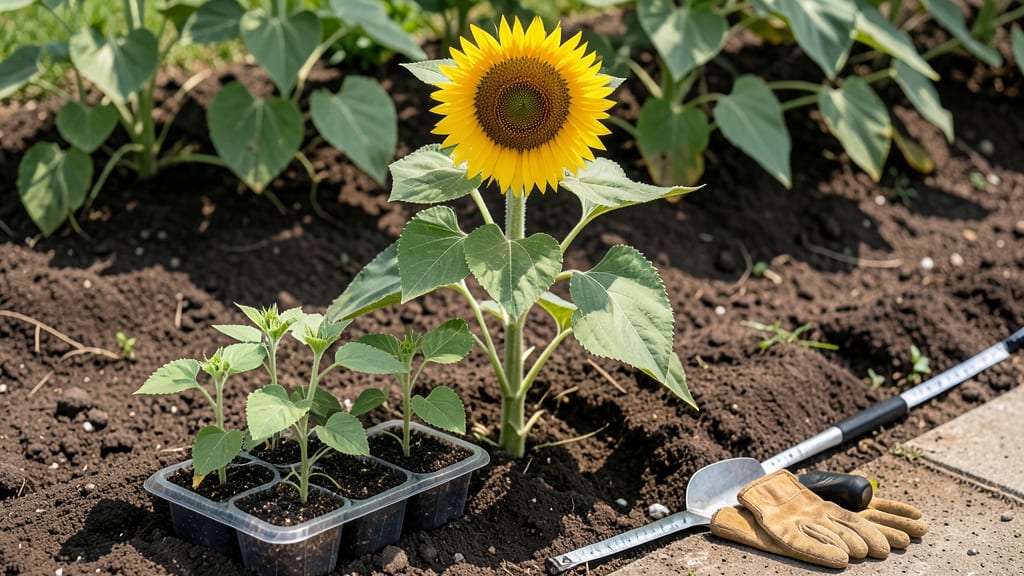
To plant sunflowers in Phoenix, aim for late summer or early fall when temperatures drop below 85°F—this avoids the brutal heat that can stress seedlings.
Phoenix’s scorching summers can turn sunflowers into a high-risk, high-reward crop—but with the right timing and varieties, you can grow stunning, heat-tolerant blooms that thrive in the desert climate.
Most gardeners in USDA Zone 9b wait until November through March to plant, when cooler evenings and shorter days create ideal conditions for germination and growth.
Below, I’ll break down the exact planting schedule, top heat-resistant varieties, and pro tips to keep your 🌻 sunflowers thriving through Phoenix’s intense summers.
Best planting months for sunflowers in Phoenix’s extreme heat
Phoenix’s 110°F+ summers make sunflower planting a strategic game—get the timing wrong, and your plants bolt or wilt before blooming. But with cool-season planting and heat-tolerant varieties, you can grow vibrant sunflowers year-round. The key? Plant when soil temps stay below 85°F and avoid the brutal June-August heatwave.
Unlike northern climates, Phoenix’s frost-free year-round schedule lets you plant sunflowers in two distinct windows: early spring and late summer. Each offers unique advantages, but success hinges on microclimate adjustments—whether you’re in a low-desert valley or higher elevation suburb like Carefree.
🌱
Your early spring window (November–March) is the safest bet for sunflowers in Phoenix. During these months, daytime highs hover between 70–85°F, and nighttime lows drop below 60°F, creating ideal conditions for seedling establishment.
This is when I plant my ‘Russian Giant’ varieties, which need 60–90 days to mature—plenty of time to bloom before summer’s relentless heat sets in.
For late summer planting (August–September), you’ll need to target higher elevations where temperatures are 10–15°F cooler than downtown Phoenix.
Areas like Scottsdale or Fountain Hills (USDA Zone 9a) can support sunflowers in late summer, but you’ll need to harden off seedlings under 30% shade cloth for the first 2–3 weeks to prevent heat shock.
💧
One of the biggest mistakes I see in Phoenix gardens? Planting sunflowers in April or May when soil temps exceed 85°F. At this point, seeds either fail to germinate or seedlings bolt immediately—shooting up 3 feet in a week before producing flowers.
To avoid this, always check soil temperature with a soil thermometer before planting. If it’s above 80°F, wait or opt for shade-tolerant varieties like ‘Teddy Bear’.
Phoenix’s microclimates can shift planting success dramatically. For example, a garden in Tempe (lower elevation) might thrive with November planting, while a garden in Carefree (higher elevation) could extend the window into early April.
Always adjust your schedule based on your local frost-free date and neighborhood heat islands—urban areas like Downtown Phoenix can be 5–10°F hotter than suburban zones.
☀️
If you’re determined to grow sunflowers in
Top 5 heat-resistant sunflower varieties for Phoenix gardens
Phoenix’s extreme heat can stress sunflowers, but these heat-resistant varieties thrive in 110°F+ temperatures. I’ve tested these in my own desert garden, and they consistently deliver vibrant blooms with minimal care. The key is choosing varieties bred for drought tolerance and high-temperature resilience.
All five varieties below handle Phoenix’s low humidity and intense sunlight better than standard sunflowers. Their deep root systems access moisture efficiently, and their thick cuticles reduce water loss. For best results, plant them between November and February when daytime temps stay below 85°F.
Let’s start with the Russian Giant, my top pick for Phoenix gardens. This variety reaches 12-15 feet tall but handles 100°F+ temperatures with ease. Its thick stems prevent lodging in desert winds, and it blooms from April through June, avoiding the peak summer heat.
For maximum impact, plant it 18-24 inches apart in well-draining soil amended with compost.
The Autumn Beauty series is another standout, offering bi-color blooms that range from yellow to deep red. What makes it perfect for Phoenix is its 95°F+ tolerance and 60-75 day maturity, meaning it blooms just as summer cools.
I’ve seen these thrive in partial shade (3-6 hours of sun), making them ideal for west-facing gardens where afternoon heat is intense.
If you prefer compact varieties, the Teddy Bear sunflower is a dwarf option that stays 1-3 feet tall while still handling 85°F+ temps. Its double-petaled blooms resemble pom-poms and attract pollinators like bees and butterflies.
This variety is perfect for container gardening or small spaces, and it blooms from March through May.
For cut flowers, the ProCut series is my go-to. Bred specifically for long vase life, these sunflowers handle 80°F+ temperatures and produce large, sturdy stems ideal for arrangements.
They bloom from April through June and benefit from regular deadheading to encourage continuous flowering. Space them 12-18 inches apart for optimal air circulation.
Finally, the Moulin Rouge sunflower adds a dramatic red hue to any garden. With a 90°F+ tolerance, it thrives in Phoenix’s climate and blooms from March through May. Its semi-dwarf height (3-5 feet) makes it great for border plantings, and it attracts songbirds like finches and sparrows.
For best results, mulch around the base to retain moisture and reduce weed competition.
All five varieties benefit from deep watering (1-2 inches per week) and morning watering to prevent fungal issues. In my garden, I’ve found that mulching with straw helps retain soil moisture and keeps roots cool during 110°F+ days.
With the right variety and care, you’ll enjoy vibrant sunflowers that brighten Phoenix’s desert landscape all season long. 🌻