
Planting
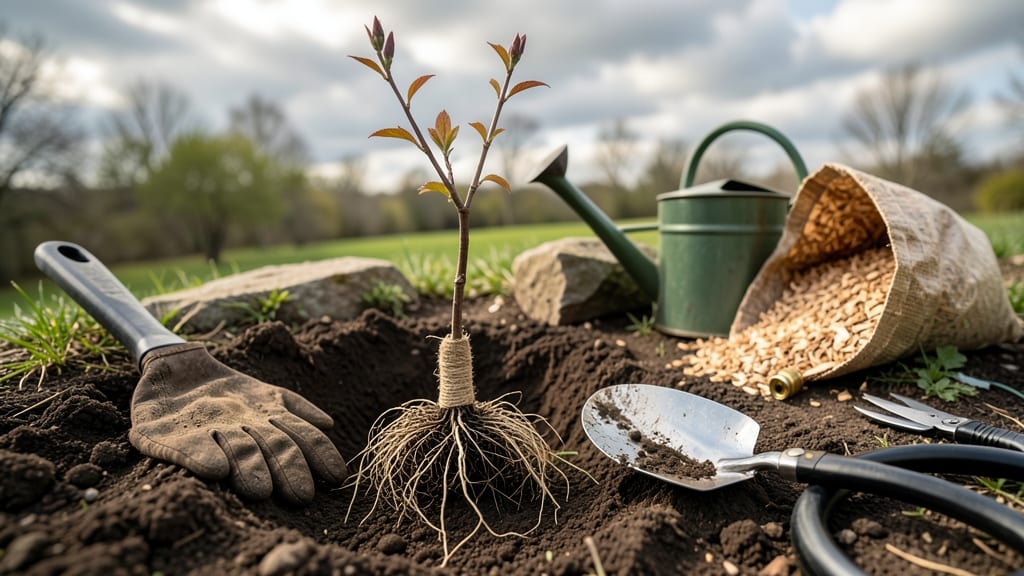
Planting flowering dogwood trees in November can give them a head start for stunning spring blooms 🌸—especially in colder climates where early spring planting risks frost damage.
Most gardeners reach for their shovels in spring, but cold-climate experts swear by late fall planting. The secret? Cooler temperatures reduce transplant shock while giving roots time to establish before winter dormancy.
In Zone 6a and colder, November planting means your dogwood will wake up stronger in spring, with fewer pests and less competition for water. I’ll walk you through the exact steps—from soil prep to winter protection—to ensure your tree thrives.
Ready to skip the spring rush? Here’s how to plant a flowering dogwood in November for roots that dig in deep and blooms that steal the show.


Why November is the best time to plant flowering dogwood in cold climates
When most gardeners think of planting trees, they picture spring's warm embrace—but November offers a secret advantage for flowering dogwoods in cold climates. The key lies in nature's timing: cooler temperatures and reduced pest activity create perfect conditions for root establishment before dormancy.
This late-fall strategy isn't just folklore; it's backed by science about how trees adapt to seasonal changes.
Flowering dogwoods (Cornus florida) thrive when planted during their natural dormancy period. November's crisp air helps young roots grow undisturbed by summer heat or winter's harshest freeze.
The reduced transplant shock during cooler months means your tree will wake up stronger in spring, ready to burst into those iconic white or pink blooms that define early spring gardens.
Cold climates present unique challenges, but November planting actually works with nature's rhythms. When soil temperatures drop below 60°F (15°C), many pests and diseases become inactive, giving your dogwood a head start without competition.
Plus, the moisture retention in fall soils provides ideal hydration for root development before winter sets in.
Here's the science behind why November works best for cold-climate dogwood planting:
One common misconception is that November planting gives trees too little time before winter arrives. However, dogwoods planted in November actually have 6-8 weeks of growing conditions in most cold climates before hard freeze.
This window is perfect for developing a robust root system that can sustain the tree through winter's dormancy period.
Cold climates also benefit from November's natural mulching effect. As leaves fall and temperatures drop, the ground gradually insulates itself, protecting young roots from extreme temperature fluctuations. This passive protection is especially valuable in Zone 4-6 where winter temperatures can drop below -20°F (-29°C).
The pH balance of fall soils often improves during November, making it an ideal time to amend planting areas. Acid-loving dogwoods thrive in soil with a pH between 4.5-6.0, and fall's natural decomposition processes help achieve this optimal range without synthetic additives.
Simply mix in composted pine needles or peat moss during planting for long-term pH benefits.
For gardeners in Zone 3 or colder, November planting requires one extra consideration: soil temperature monitoring. If ground temps consistently stay above 50°F (10°C) for more than two weeks, roots may continue growing when they should enter dormancy.
In these cases, delay planting until late November when soil temps drop below 45°F (7°C) to trigger proper dormancy.
Remember that November's success hinges on proper site selection. Choose locations with partial shade protection from afternoon sun and avoid low spots where cold air pools. The microclimate around your dogwood will determine whether it thrives or struggles through its first winter.
When done correctly, November-planted dogwoods often outperform spring-planted trees by 20-30% in first-year growth. The secret lies in giving roots time to establish while the tree remains dormant above ground—a perfect match for cold-climate gardening strategies.
Step-by-step November planting guide for flowering dogwood in cold regions
November might seem like the wrong time to plant anything, but for flowering dogwoods in cold climates, it’s actually ideal. The cooler temperatures reduce transplant shock while giving roots time to establish before winter dormancy. Here’s how to do it right for USDA Zones 3-6.
Before you dig, choose a location with well-draining soil and partial shade—these trees thrive where they’re protected from harsh afternoon sun. If your soil is heavy clay, amend it with compost or peat moss to improve drainage and aeration.
- 1 Dig the hole twice as wide as the root ball but no deeper. Loosen the sides to encourage root spread.
- 2 Amend the soil by mixing native soil with compost or peat moss (50/50 ratio) to improve fertility and drainage.
- 3 Position the tree so the top of the root ball sits 1-2 inches above ground level to prevent waterlogging.
- 4 Backfill carefully with amended soil, tamping gently to remove air pockets. Water thoroughly to settle the roots.
- 5 Apply mulch in a 3-inch layer around the base (keep it 6 inches away from the trunk) using wood chips or straw.
After planting, water deeply to ensure the soil settles around the roots. Flowering dogwoods need consistent moisture, especially in their first year, but avoid waterlogging—their roots rot easily in soggy soil.
For extra winter protection, wrap the trunk with tree guard to prevent rodent damage and secure a burlap wrap around the root ball if your zone drops below -20°F. This shields young trees from harsh winds and frost heave.
Skip fertilizing until spring—your newly planted dogwood doesn’t need extra nutrients now. Instead, focus on watering every 2-3 weeks (unless it snows) and monitor for pest activity like deer or rabbits, which may nibble on tender bark.