
Planting
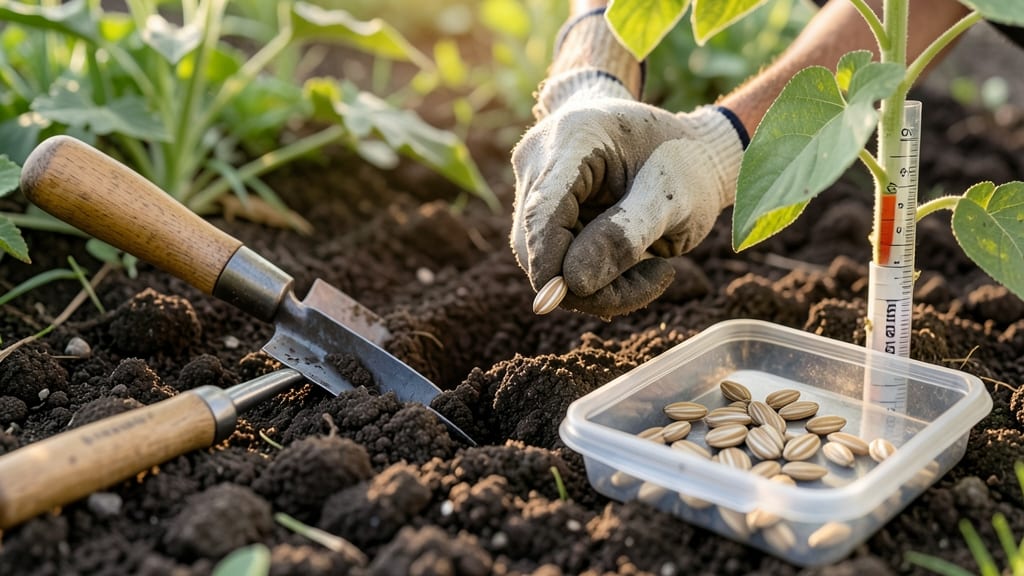
Planting sunflowers at the right depth—1 inch deep—is the foundation for strong stems and those showstopping blooms 🌻.
Struggling to grow sunflowers that wilt before blooming? The secret might be hiding in the soil—not just in the seeds themselves. Planting sunflowers at the wrong depth can stunt growth, weaken stems, and even prevent those iconic golden blooms from ever appearing.
Most gardeners know sunflowers love sunlight, but depth matters just as much. Too shallow, and seeds dry out before sprouting; too deep, and seedlings waste energy fighting to reach the surface.
I’ve learned the hard way that even a half-inch difference can mean the difference between a thriving giant and a sad, leggy flop.
In this guide, I’ll break down the exact planting depth for giant, dwarf, and heirloom varieties, plus how to adjust for your soil type and climate. You’ll also discover the most common mistakes (and how to fix them) to ensure your sunflowers grow tall, strong, and ready to bloom.


The ideal sunflower planting depth by seed type (with exact inches)
Getting your sunflower seeds at the right depth is like setting the foundation for a skyscraper—if you bury them too shallow, they’ll dry out; too deep, and they’ll struggle to break through. The perfect depth ensures strong stem development and those iconic blooms you’re dreaming of.
For most sunflower varieties, the golden rule is 1 inch deep, but giant sunflowers, dwarf varieties, and heirloom seeds have their own quirks.
Why does depth matter so much? Sunflower seeds need consistent moisture retention to germinate, but they also require access to sunlight once they sprout. Planting too deep can cause seedling rot or weak stems, while shallow planting risks drying out the seeds before they germinate.
The soil temperature plays a role too—cooler soils may need slightly deeper planting to maintain warmth.
Here’s the breakdown you’ve been waiting for: the exact planting depths for different sunflower types, along with tips to ensure your seeds emerge strong and healthy. Whether you’re growing giant sunflowers for show or dwarf varieties for containers, these guidelines will set you up for success.
For giant sunflowers, like 'Mammoth' or 'Russian Giant,' I recommend planting seeds 1.5 inches deep. These varieties need that extra support to develop thick, sturdy stems capable of holding their massive blooms.
If your soil is heavy or clay-based, you can even go up to 1.75 inches to prevent the seeds from drying out too quickly.
On the flip side, dwarf sunflowers like 'Teddy Bear' or 'Sunspot' thrive when planted just 0.5 to 1 inch deep. Their compact size means they don’t need the extra depth, and shallow planting helps them establish quickly—perfect for container gardening or small spaces.
If you’re using dwarf varieties in pots, a depth of 0.5 inches works best to prevent overcrowding.
Heirloom sunflower seeds often have thicker seed coats, which means they need a little more encouragement to break through the soil. For these, I plant them 1 to 1.25 inches deep.
This extra depth helps them access the moisture and warmth they need to germinate consistently, especially in cooler climates. If you’re in a region with late springs, consider using a seedling heat mat to speed up germination.
Soil temperature is another critical factor—sunflower seeds need the ground to be at least 55°F (13°C) to germinate, but they’ll sprout faster in warmer soil. If you’re planting in early spring or cooler climates, aim for 60-70°F (15-21°C) by using black plastic mulch or planting in raised beds.
This extra warmth can make the difference between seeds that pop up in a week versus those that take three.
One common mistake I see is planting seeds too shallow in dry soil, which causes them to dry out before germinating. To fix this, always water the soil thoroughly before planting and keep it moist until the seeds sprout.
If you’re unsure about your soil’s moisture level, do the squeeze test: grab a handful of
Common sunflower planting mistakes that kill growth (and how to fix them)
Even experienced gardeners sometimes struggle with sunflower growth, and the issue often starts with planting depth. Sunflowers are surprisingly sensitive to how deep their seeds are placed in the soil. Planting too shallow exposes seeds to drying out, while burying too deep can suffocate seedlings before they even emerge.
I’ve seen entire rows fail because of these simple oversights, so let’s fix that together!
Another frequent mistake is skipping soil preparation before planting. Compacted or rocky soil can prevent roots from establishing properly, no matter how perfectly you place your seeds. Even the right depth won’t help if the soil isn’t loose and well-draining.
I’ll show you how to check and improve your soil before planting to give those sunflowers the best start.
🌱
Sunflower seeds planted too shallow (less than ½ inch) dry out before sprouting. Seeds planted too deep (over 1.5 inches) struggle to break through the soil and may rot. The ideal depth is 1 inch for most varieties, but dwarf sunflowers prefer just ½ inch.
The most common mistake I see is overcrowding seeds while trying to fix planting depth. Gardeners will plant seeds too close together to "save space," but this leads to competition for nutrients and weak stems.
Sunflowers need room to grow—space them 6-12 inches apart depending on the variety. I’ve had to thin out overcrowded rows just to save the strongest plants!
Moisture issues are another silent killer. Sunflower seeds need consistent moisture to germinate, but many gardeners either overwater immediately after planting (which can wash seeds away) or underwater during dry spells.
The key is to keep the soil evenly moist but not soggy until seedlings appear. A light misting every other day usually does the trick in most climates.
If your sunflowers emerge but flop over or develop weak stems, the issue might be soil compaction. Heavy foot traffic or machinery can compress the soil, making it hard for roots to anchor.
To fix this, loosen the top 6 inches of soil before planting and mix in compost or sand to improve drainage. I’ve revived struggling sunflowers just by aerating compacted soil!
Finally, don’t forget to monitor soil temperature. Sunflower seeds need soil that’s at least 55°F (13°C) to germinate properly. If you’re planting early in the season and the soil is still cool, consider using black plastic mulch to warm it up faster.
I’ve saved many a sunflower crop by waiting for the right soil temperature instead of rushing the planting.
☀️