
Flowers
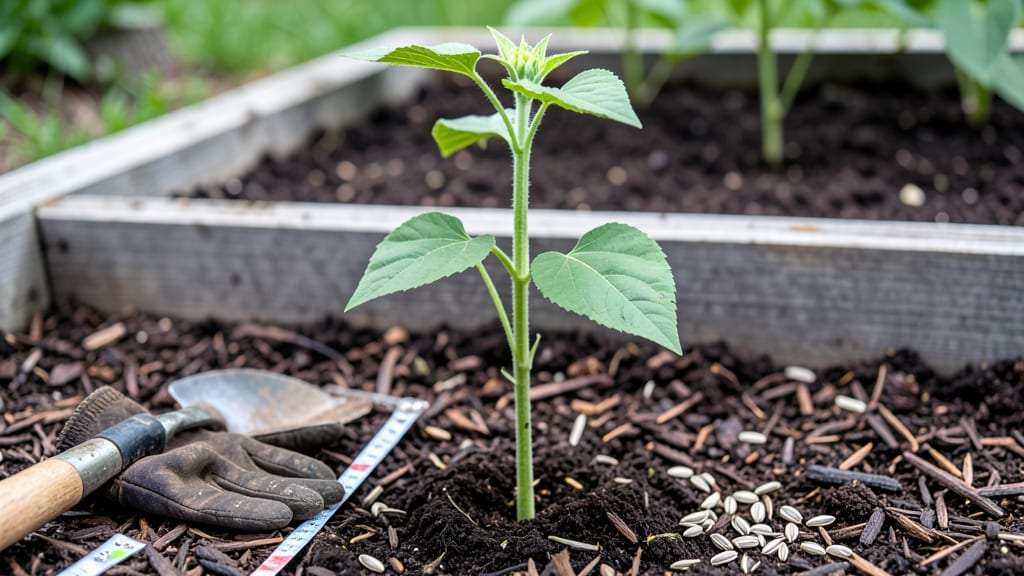
To plant sunflowers in Oregon, aim for mid-April to late June when soil warms and frost risks fade — but timing varies wildly between the Willamette Valley and high-desert regions.
Oregon’s diverse climate—from coastal fog to high-desert heat—can make sunflower planting tricky, but timing these towering beauties right ensures you’ll grow the tallest, most vibrant varieties possible.
In Zone 7b (like Portland), wait until after your last frost (late April) and soil hits 50°F before sowing. Meanwhile, inland areas in Zone 8-9a can start as early as March for a head start on summer blooms.
Below, I’ll break down the best planting windows by region, soil prep tricks to speed up growth, and companion plants that boost your 🌻 sunflowers’ height and resilience.
Oregon sunflower planting dates by hardiness Zones (5-8)
Oregon’s diverse climate means your sunflower planting dates depend heavily on your USDA zone and microclimate. Coastal areas like Astoria (Zone 8) have milder winters, while inland Bend (Zone 6) faces colder springs.
Timing is everything to grow tall, healthy sunflowers—especially when aiming for varieties like 'Russian Giant' that can reach 12+ feet.
Most gardeners in Oregon plant sunflowers in late spring, but fall planting is possible in Zones 7-8 for early blooms. The key is avoiding late frosts, which can stunt growth. Coastal regions typically have 2-4 weeks earlier planting windows than inland areas due to warmer ocean-influenced temperatures.
Last frost dates vary dramatically: Medford (Zone 8) sees frost by mid-November, while Portland (Zone 8) holds off until late October. Inland zones like La Grande (Zone 6) may experience frost until May 15, delaying planting until mid-May.
| Zone | Coastal/Inland | Spring Planting Window | Fall Planting Window | Soil Temp Requirement |
|---|---|---|---|---|
| Zone 5 (Bend, La Grande) | Inland | May 15 - June 15 | Not recommended | 50°F+ |
| Zone 6 (Eastern OR) | Inland | May 1 - June 10 | Late August (fast-maturing varieties) | 50°F+ |
| Zone 7 (Willamette Valley) | Inland | April 15 - May 30 | September 1-15 | 45°F+ |
| Zone 8 (Coastal: Astoria, Newport) | Coastal | March 20 - May 15 | August 20 - September 10 | 40°F+ |
| Zone 8 (Inland: Medford, Roseburg) | Inland | April 1 - May 20 | August 30 - September 20 | 45°F+ |
For coastal gardeners, March-April planting works well because fog delays but ocean breezes prevent heat stress.
Inland Zone 6 areas should wait until soil warms to 50°F—use a soil thermometer to confirm. Direct sowing is best for sunflowers, but starting indoors in Zone 5 gives you a 2-week head start before transplanting.
If you're growing tall varieties like 'Mammoth', prioritize early May planting in Zone 6 to maximize frost-free growing days.
These giants need 90-120 days to mature, so late plantings risk stunted growth from fall frosts. Succession planting every 2 weeks in Zones 7-8 ensures continuous blooms through September.
Pro tip: Black plastic mulch warms soil 5-10°F faster than bare earth, letting you plant 2-3 weeks earlier in Zone 6-7. This is especially useful for slow-starting varieties like 'Autumn Beauty', which thrives in cooler temps but needs a long growing season.
For fall planting, focus on fast-maturing varieties (under 60 days) in Zones 7-8. Plant late August for blooms before first frost. Coastal Zone 8 gardens can even try September plantings for winter interest, though growth slows dramatically.
Always check your local frost dates—Oregon’s microclimates can shift planting windows by weeks. For example, Hood River (Zone 7) may have 2 weeks earlier planting than nearby Portland due to valley warming. Use Oregon State University's frost maps as your guide.
Remember: Sunflowers hate soggy soil.
How to extend sunflower growing season in Oregon’s short summers
Oregon’s cool, unpredictable summers can challenge sunflower lovers, but with the right strategies, you can grow taller, healthier blooms even in short seasons. The key lies in timing, soil prep, and variety selection tailored to your microclimate—whether you're in the Willamette Valley or Eastern Oregon’s high desert.
Let’s explore how to maximize your sunflower season!
Sunflowers thrive on long daylight hours, but Oregon’s late spring frosts and early fall chills often cut the growing window short. By using succession planting, soil warming, and cold-hardy varieties, you can push your sunflowers to reach their full height and bloom before frost.
Here’s how to make it work in your garden.
🌱 5 Proven Ways to Extend Your Sunflower Season
- 1. Start Indoors Early Sow seeds 6-8 weeks before last frost (mid-March for most zones) in biodegradable pots to transplant after soil warms to 50°F.
- 2. Use Black Plastic Mulch Lay black plastic over beds in early April to raise soil temps by 10-15°F, speeding germination and growth.
- 3. Choose Fast-Maturing Varieties Opt for 50-60 day varieties like 'Autumn Beauty' or 'Teddy Bear' to bloom before September frosts.
- 4. Succession Plant Every 2 Weeks Sow new seeds every 14 days from April to June for a continuous harvest through fall.
- 5. Extend with Row Covers Use floating row covers in late summer to protect tender varieties from early frosts and boost growth.
For coastal Oregon gardens, where summers are cooler and foggy, focus on early planting and cold-tolerant varieties. In the Willamette Valley, aim to sow by mid-April and use black plastic mulch to create a warmer microclimate.
Meanwhile, Eastern Oregon’s high desert benefits from succession planting and drought-resistant varieties like 'ProCut' to handle heat and dry spells.
Don’t forget to fertilize lightly with a balanced 5-10-10 mix when planting and again at 6 weeks to fuel rapid growth. Over-fertilizing can lead to weak stems, so keep it modest.
Water deeply in the morning to prevent fungal diseases, especially in humid coastal areas. With these techniques, you’ll enjoy sunflowers towering over your fence—even in Oregon’s short summers!
Pro tip: Save seeds from your healthiest sunflowers for next year’s garden. Oregon’s mild winters make it easy to store seeds in a cool, dry place until spring planting. Happy growing!